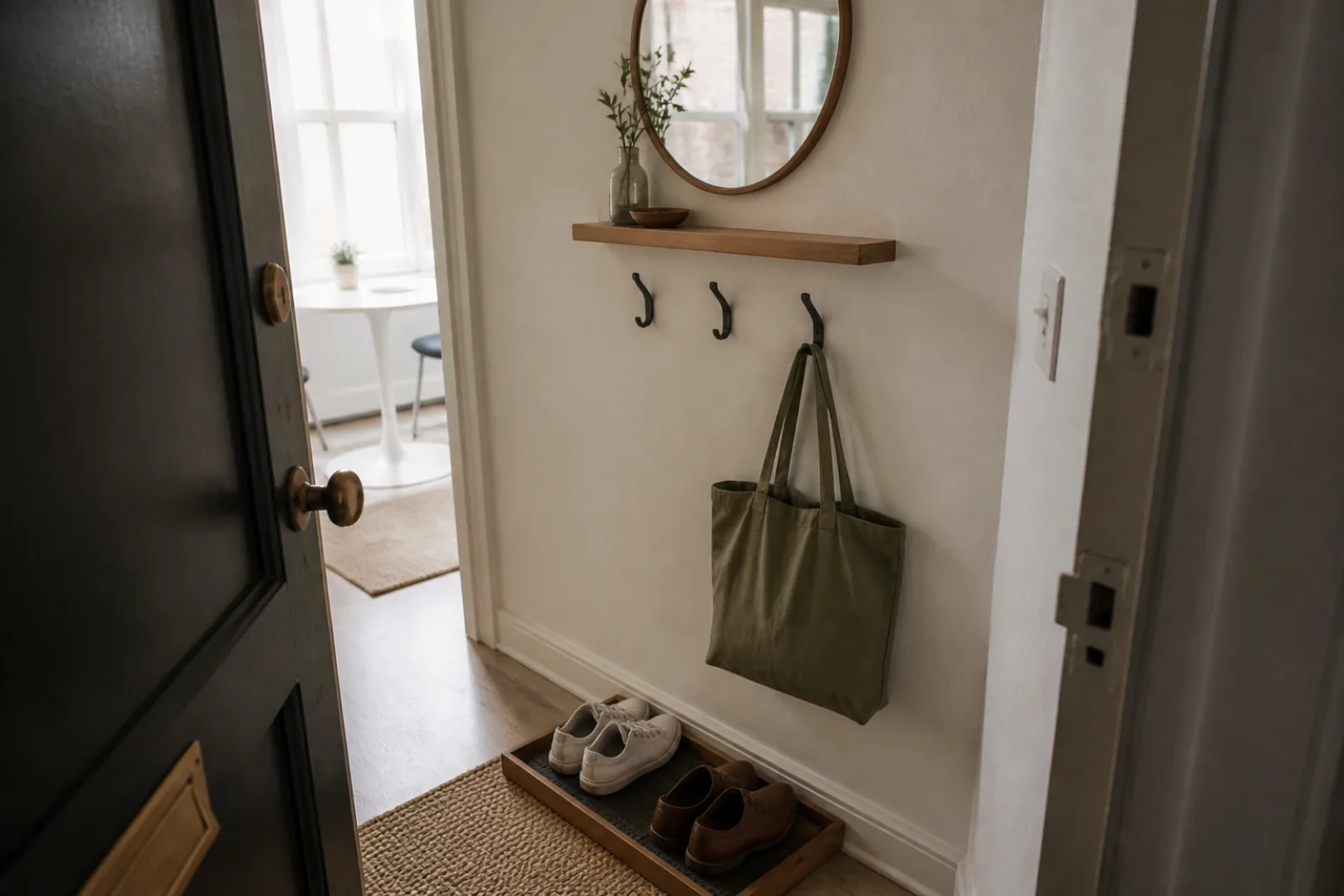
A working entryway needs three things regardless of square footage: a landing surface for what comes in, closed storage so it doesn't stay visible, and a separate spot for what's headed back out the door.
A small entryway works when it's split into three distinct zones, a landing surface, closed storage, and an outgoing spot, each sized to the actual width of the space and the arc of the door, rather than treated as one catch-all surface.
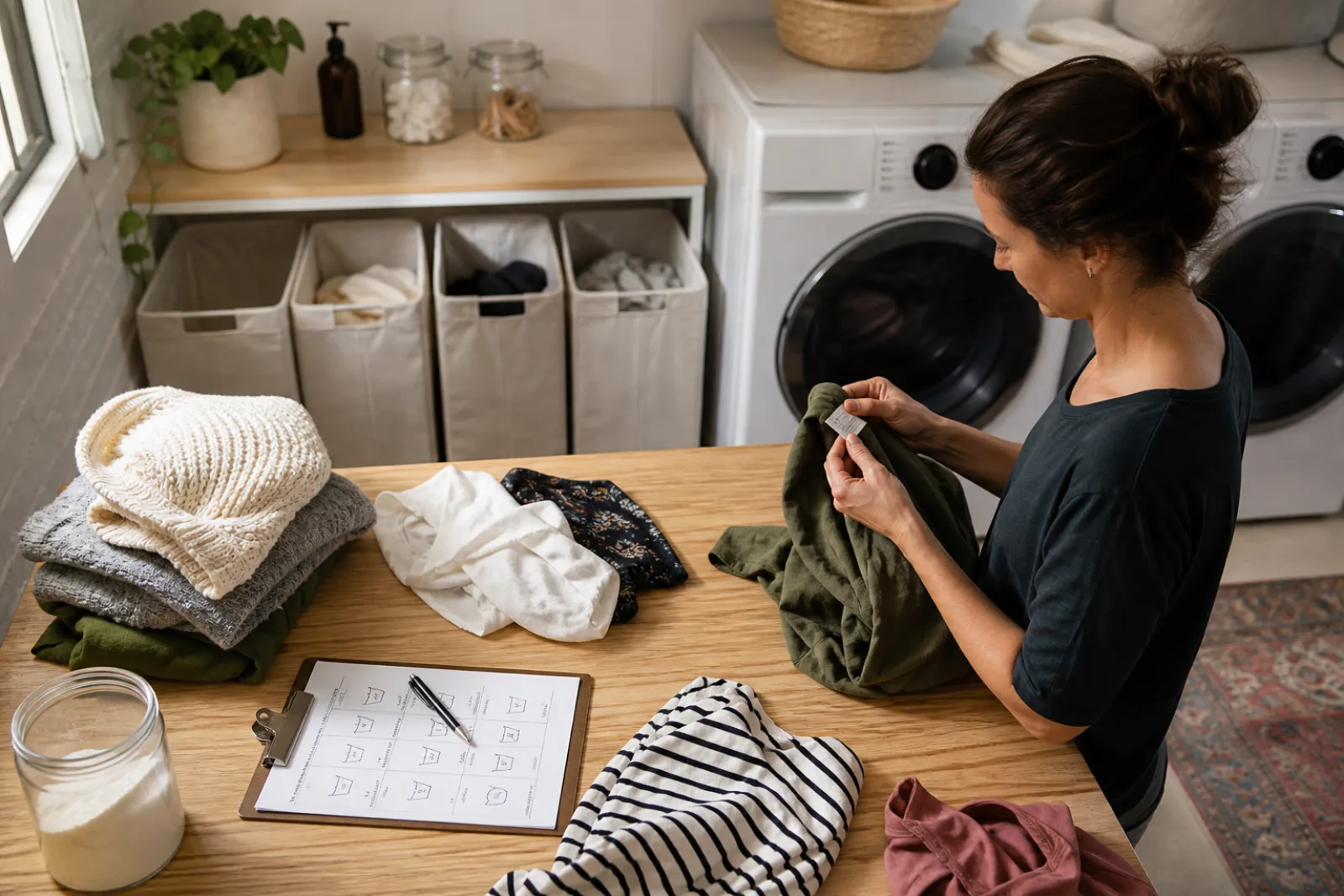
Sorting by color hides the real variable, which is what each garment can survive. A repeatable system sorts by heat and agitation tolerance, reads the care label as an instruction set, and treats every stain as a race against the dryer.
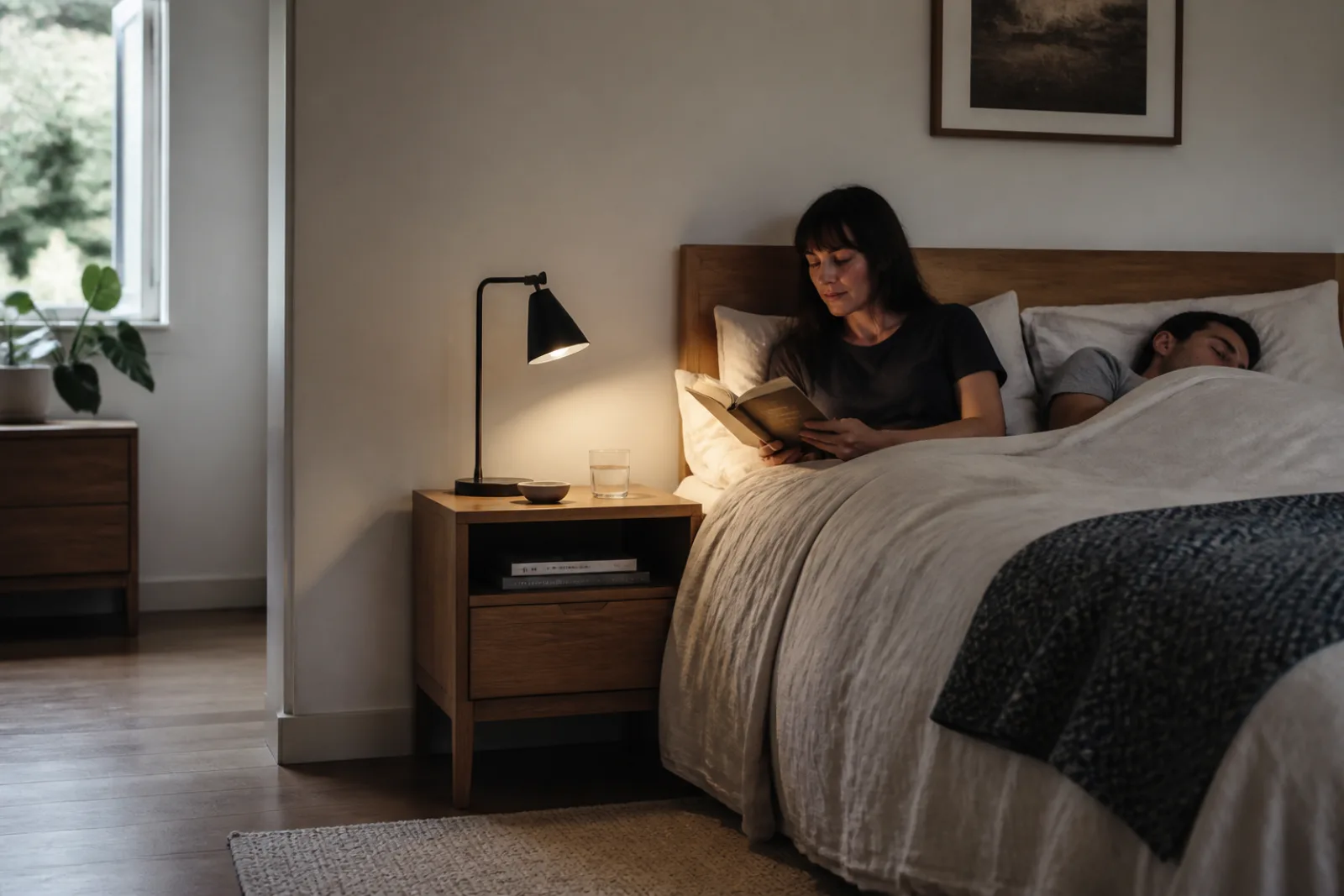
A bedside lamp has three jobs a living-room lamp does not: keep its light off a sleeping partner's face, be findable by feel in the dark, and avoid fighting the body's own signal to wind down. Here is what actually delivers on each.
The useful everyday glass is stable on a crowded table, survives the dishwasher, and can be bought again as a single when one chips. Thin crystal is a different product with a different job.
Houseplants fail from mismatched light and soggy soil, not from a lack of personality. Match the plant to the window, the watering you will really do, and the animals who live there. They will not clean the air.
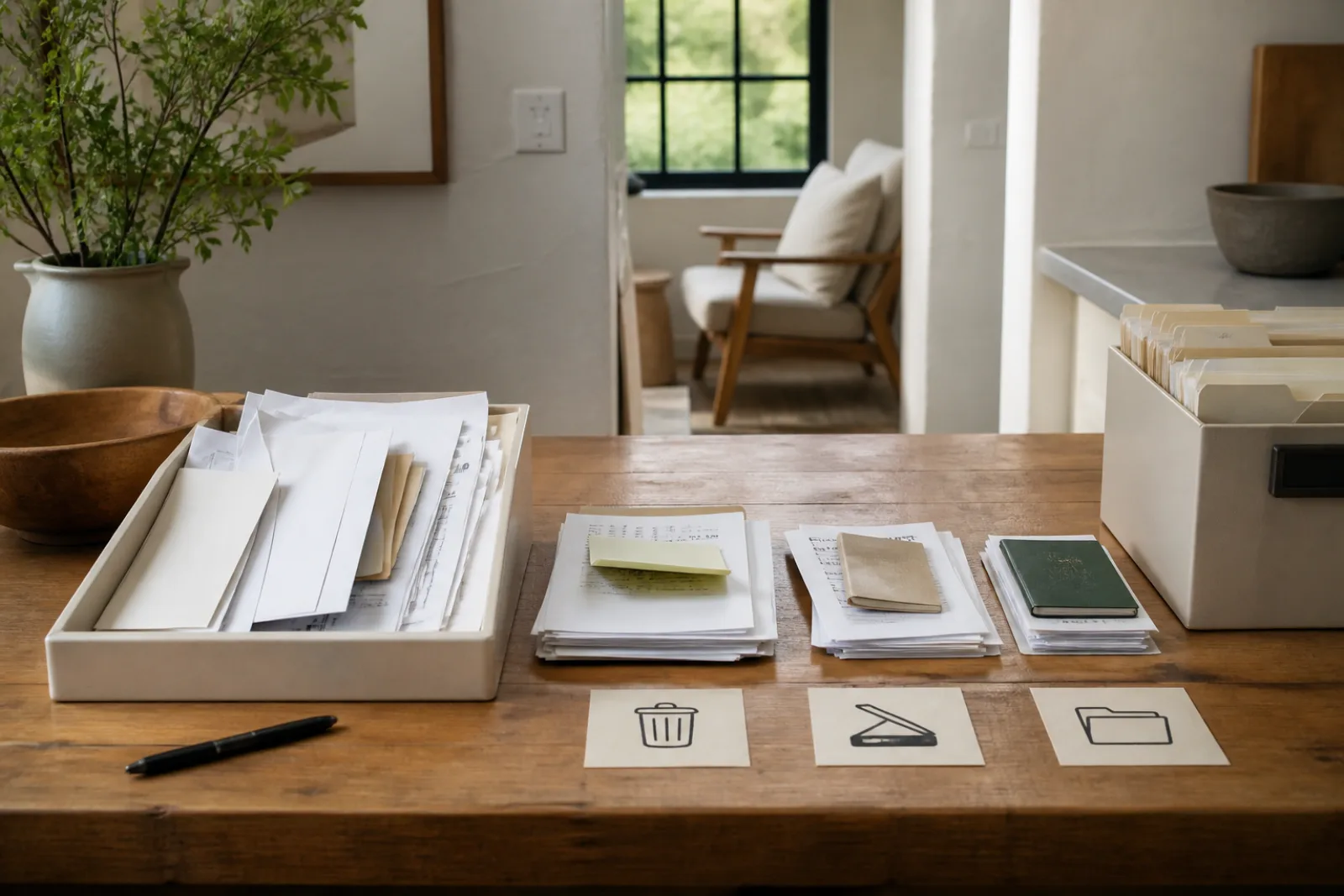
Give incoming mail and documents exactly one landing spot, a three-way decision rule, and a weekly ten-minute review, and the piles stop forming on their own.
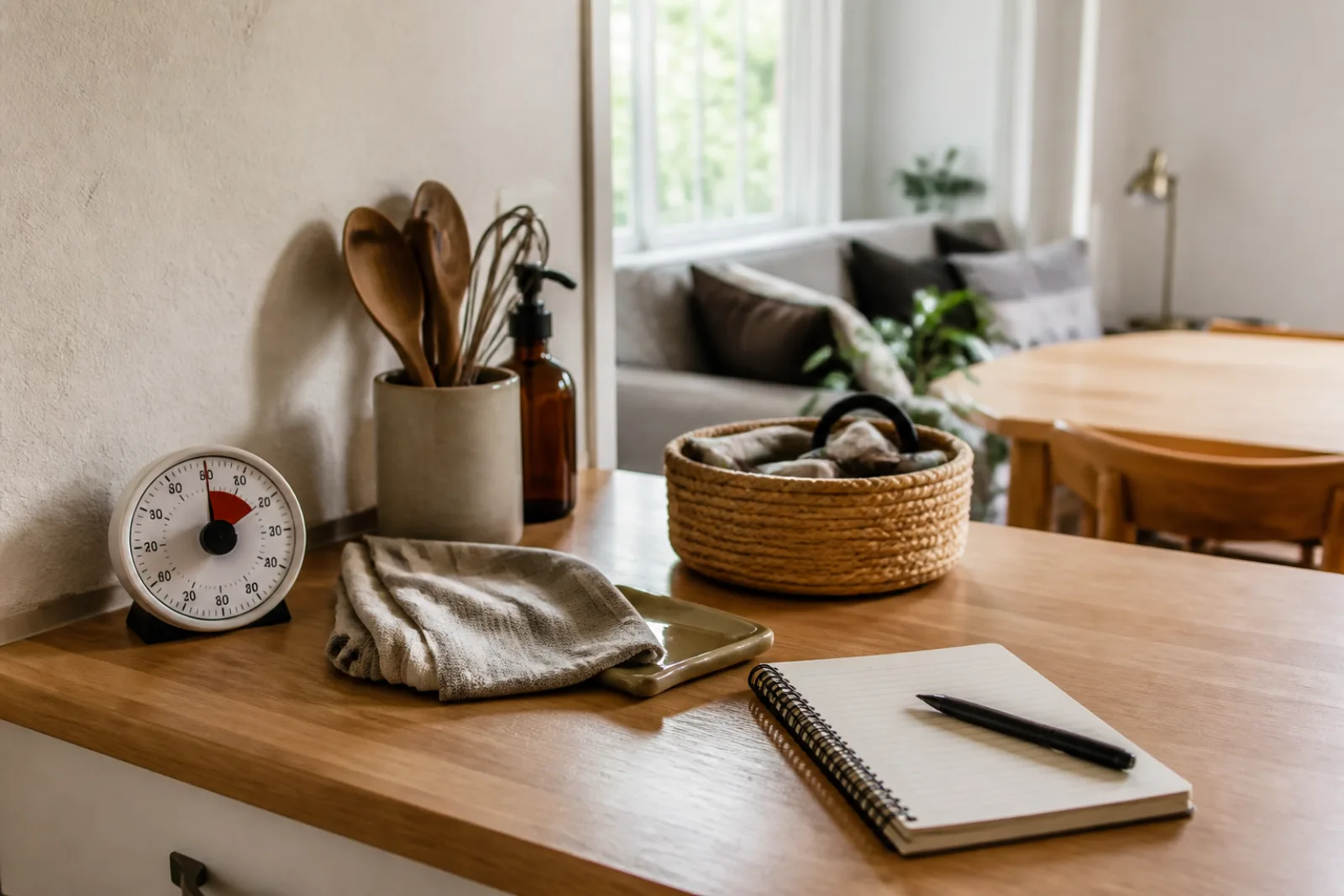
A nightly reset only holds up if it is short enough to survive a bad day. Here is which three tasks earn a spot inside ten minutes, what makes the routine stop on cue, and what it means when it keeps running long.
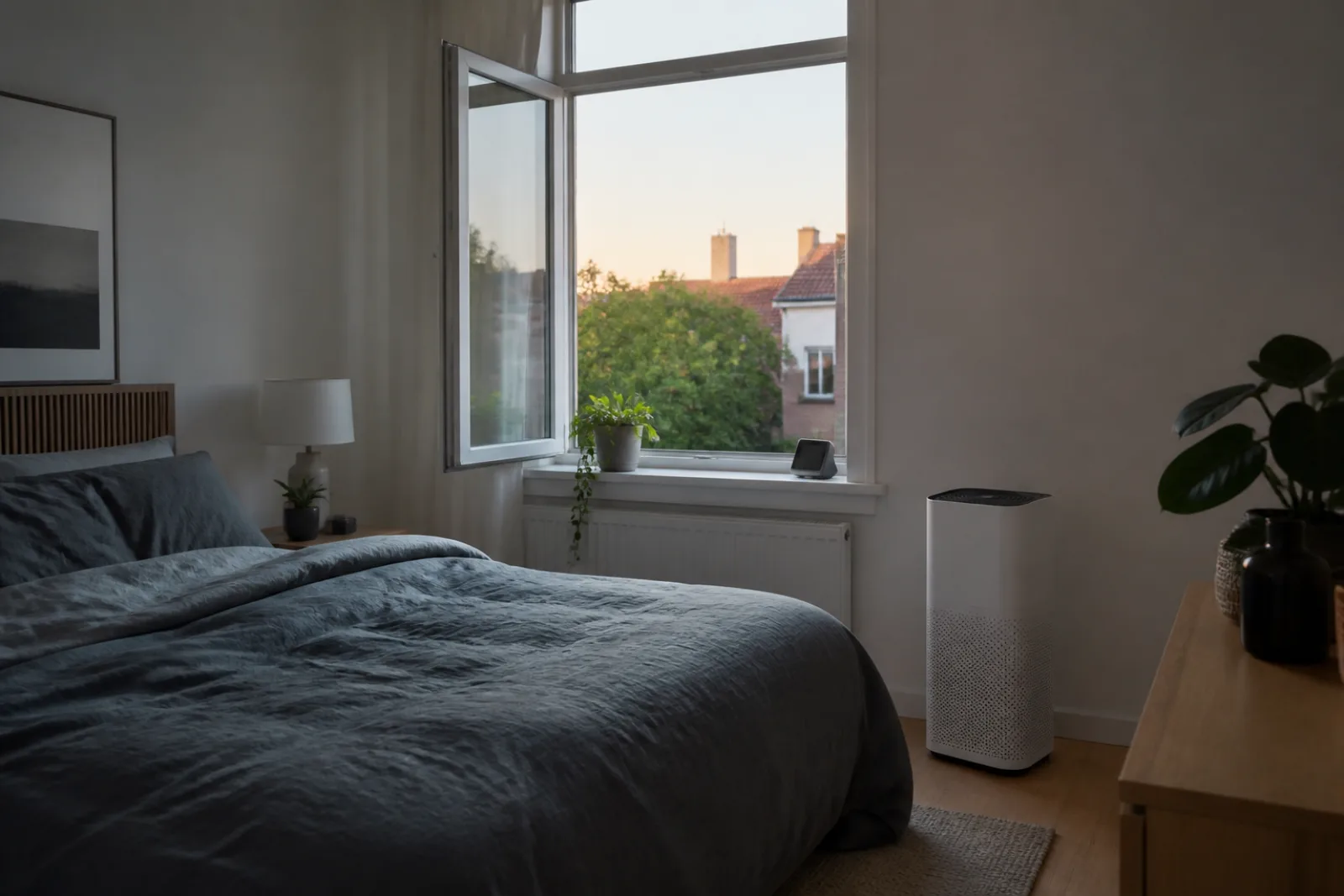
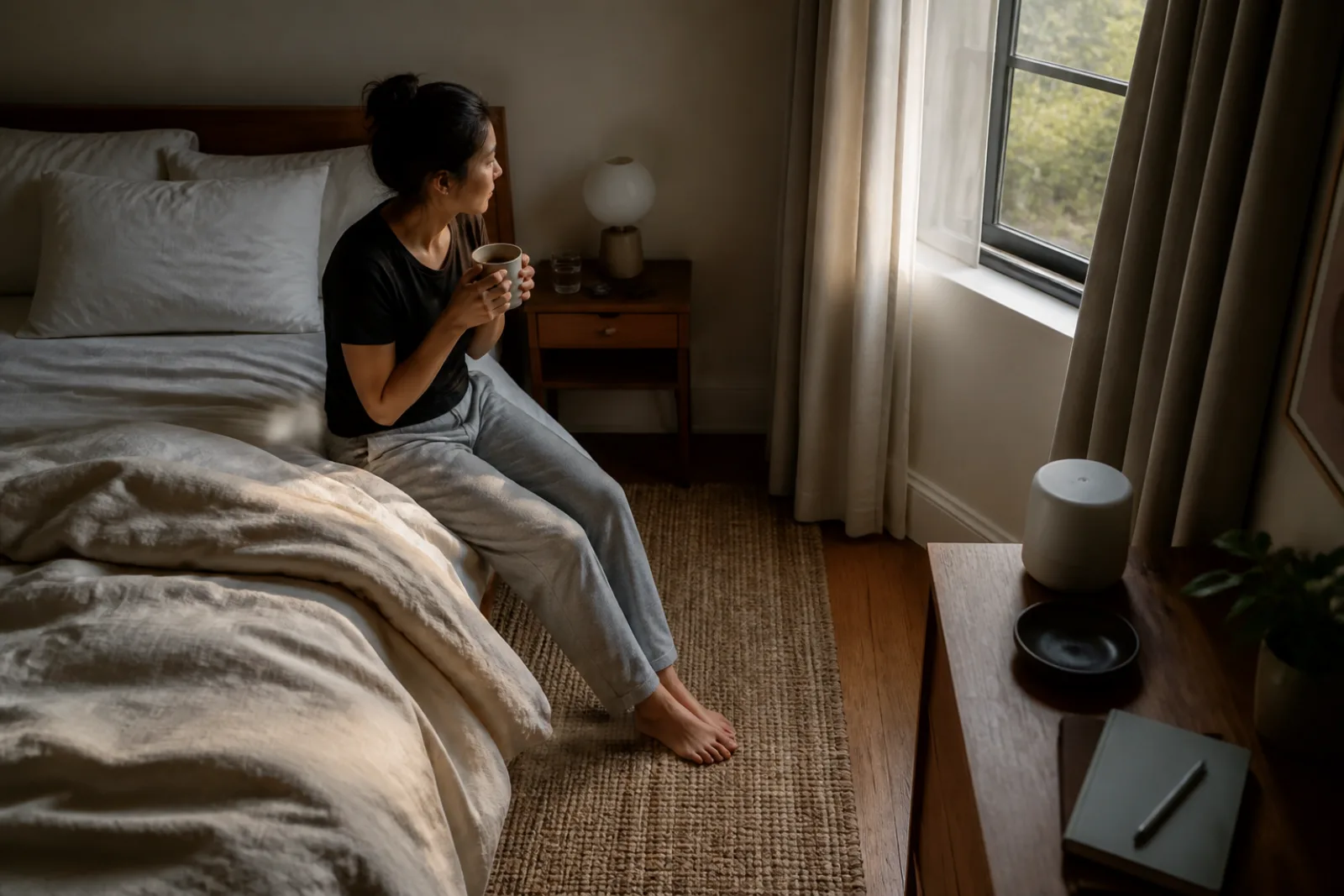
General indoor air quality advice is written for a house, not a closed room where one or two people breathe the same air for seven or eight straight hours. Applied specifically to a bedroom, EPA's own three-part method changes in the details that matter.
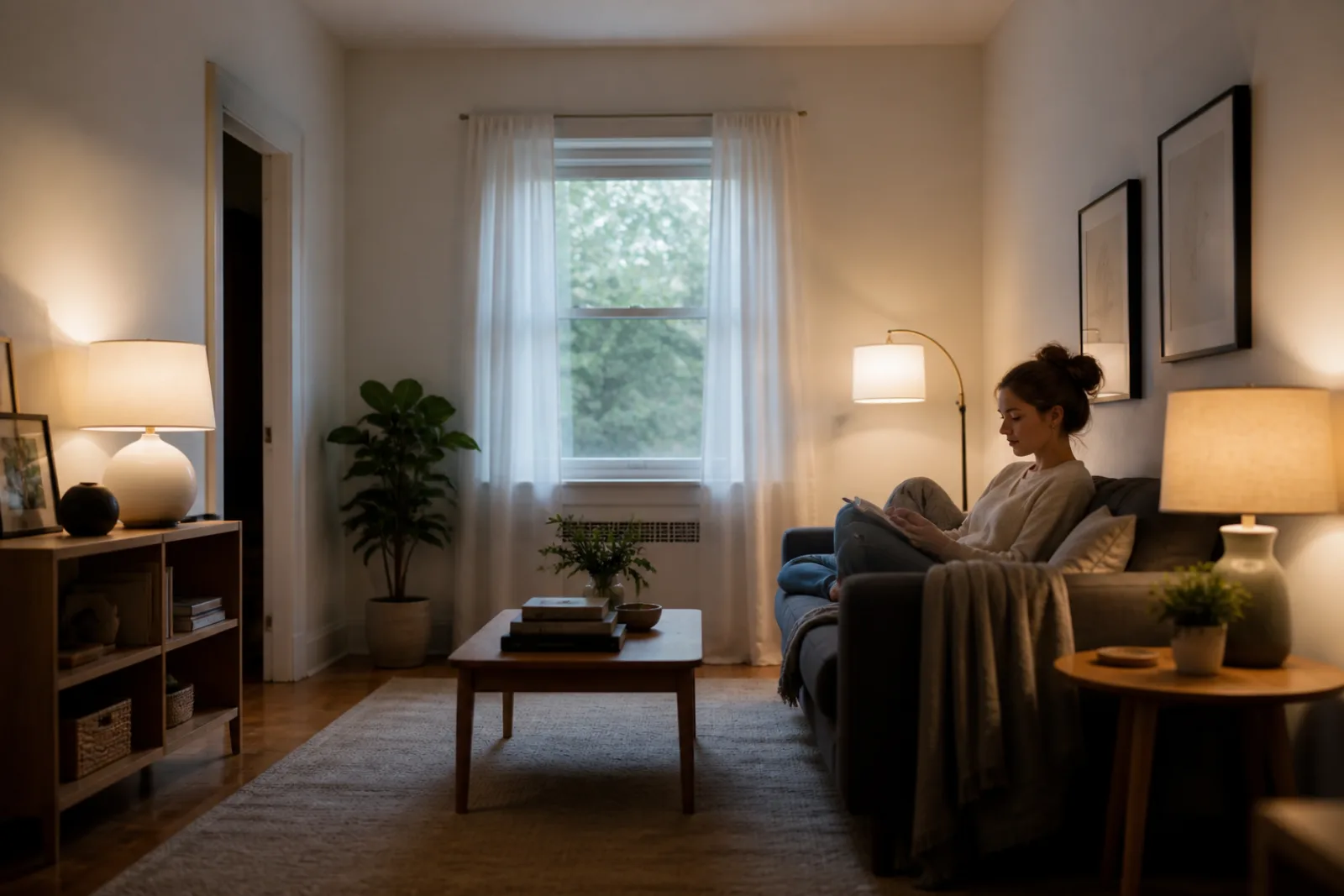
A rental's overhead fixture is usually one underpowered, badly placed bulb. The fix is portable layers: enough lumens in the right direction, on plugs you already have, in a color temperature you can live with at night.
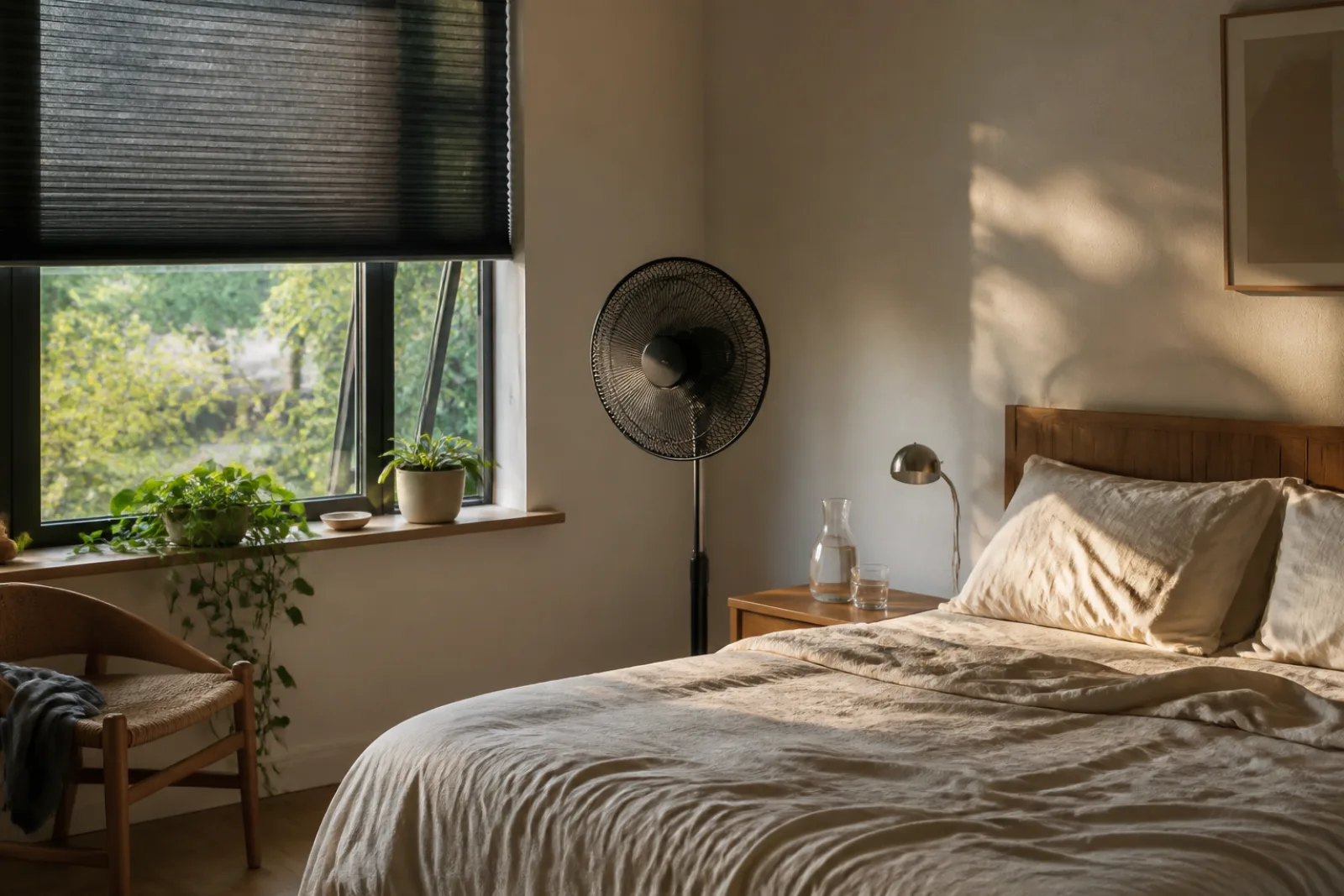
You cannot always lower the thermostat. You can stop the room from taking sun all day, move air across skin, and use bedding that does not trap the heat you are trying to dump. That is most of the non-HVAC toolkit.
NIH and NIOSH describe a sleep environment in three words: quiet, cool, and dark. The schedule you keep, and the hour of bright screens before bed, sit beside those room conditions. Persistent trouble is a medical question, not a shopping one.
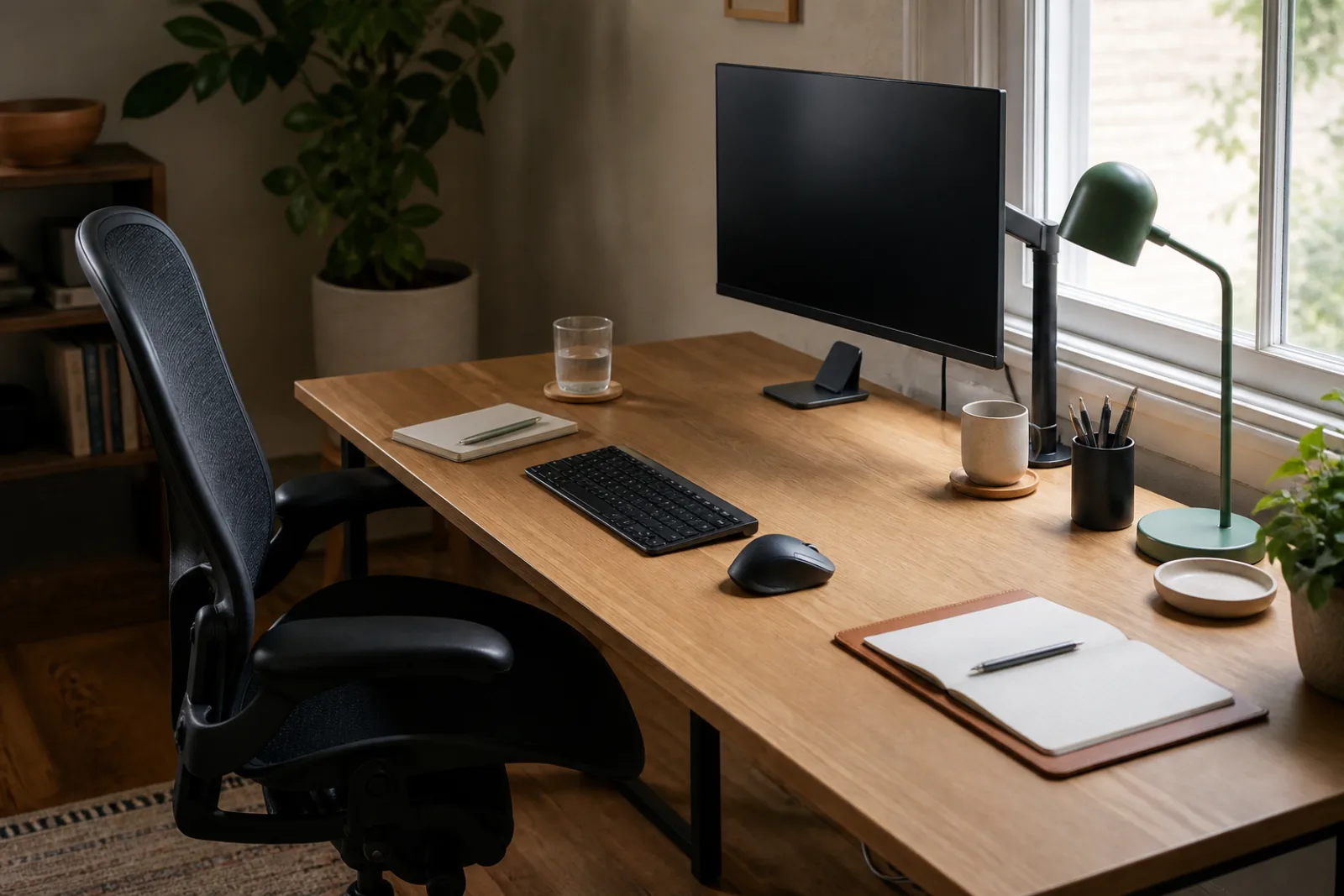
Ergonomic height is a different article. This one is about the surface: a reach zone for what you touch every hour, a home for writing and for the keyboard that does not make them fight, and a default clear patch so the desk can be used without a reset.
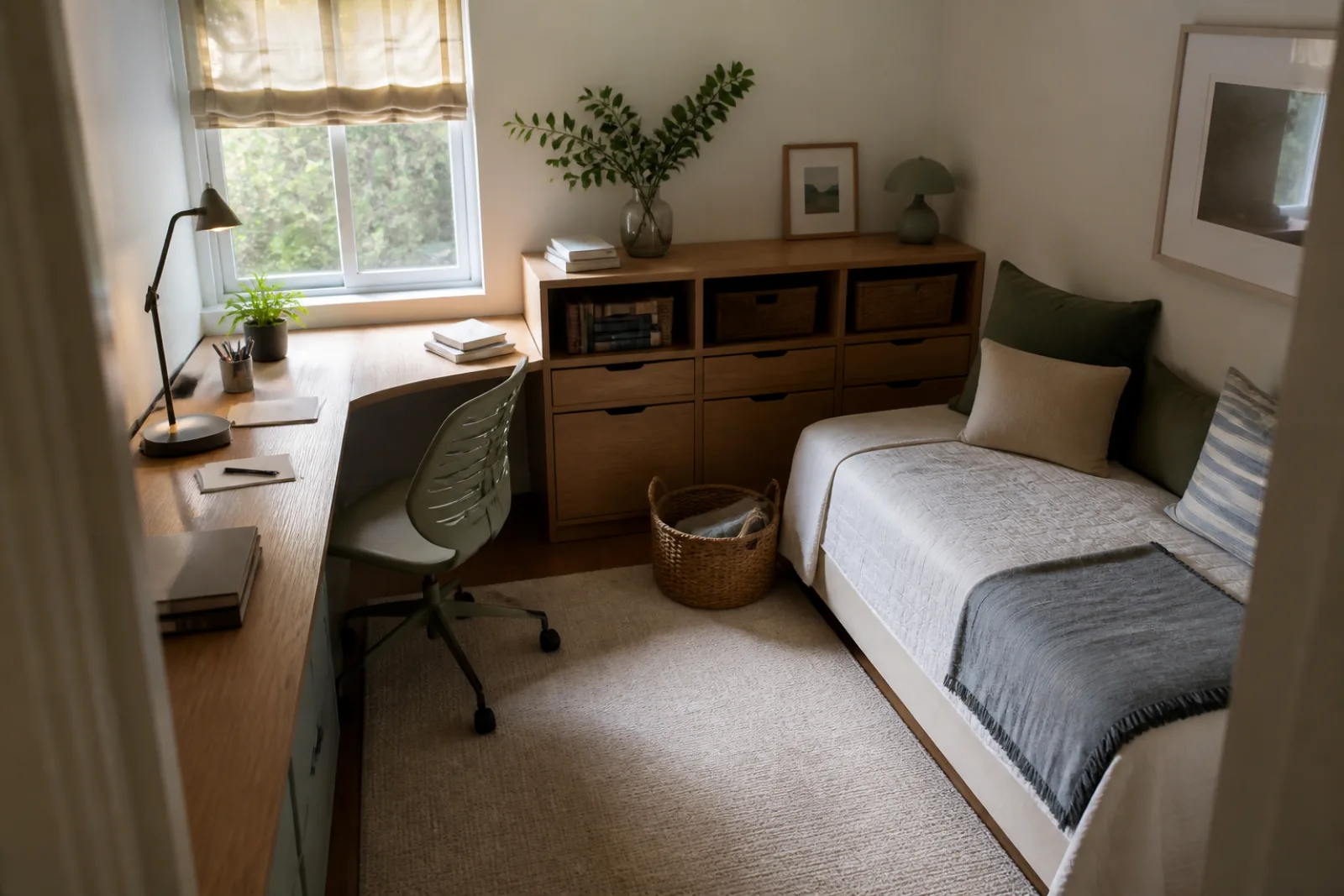
A room that is only a bedroom six nights a year is a storage unit with a bedspread. The version that works is a room you can convert in minutes, with a clear floor, closed guest storage, and one surface that is already a desk.
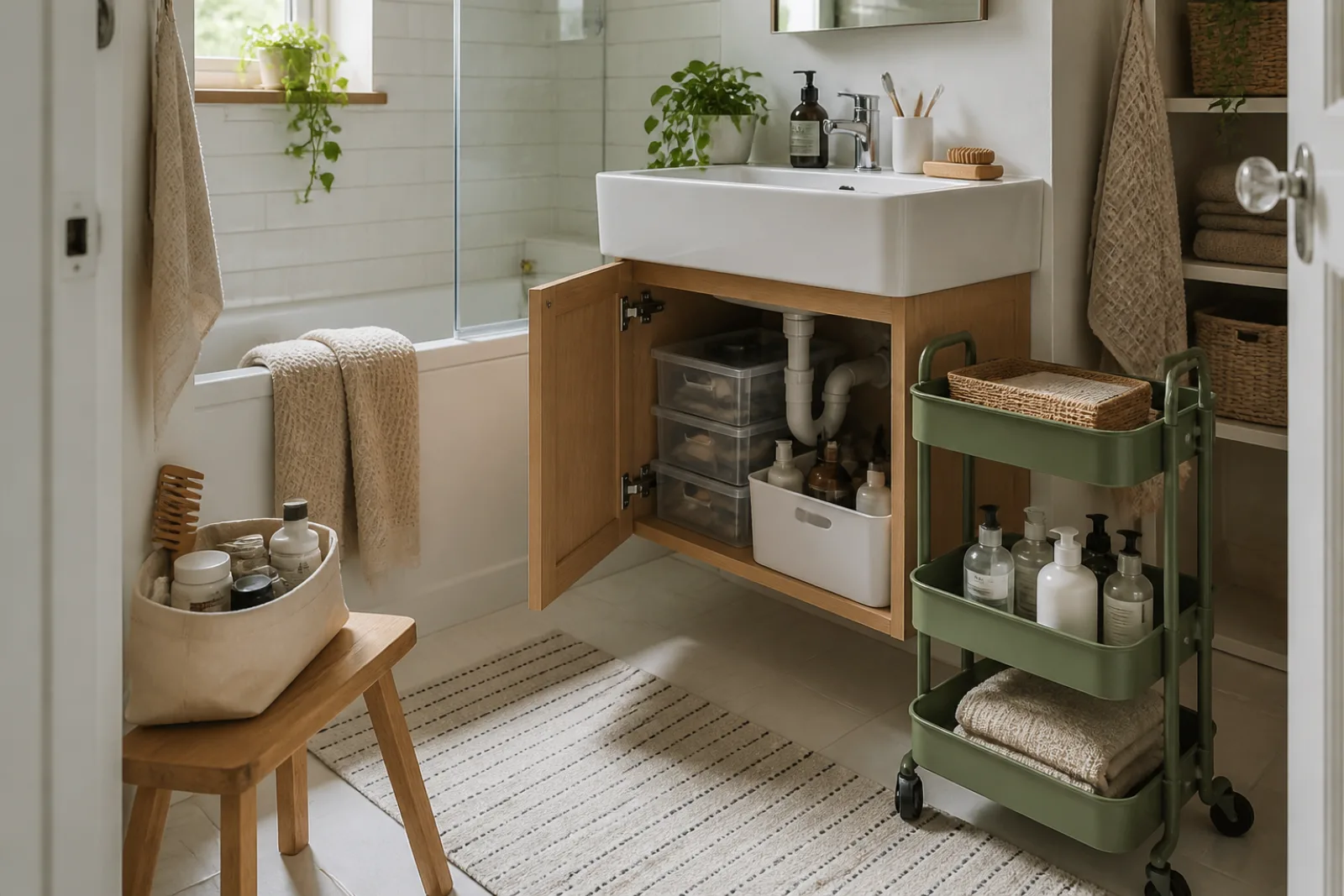
Sort storage by two things at once: how often you reach for something and how much moisture it can take. Daily items stay in arm's reach, backups get consolidated into one bin, and medicine leaves the bathroom entirely.
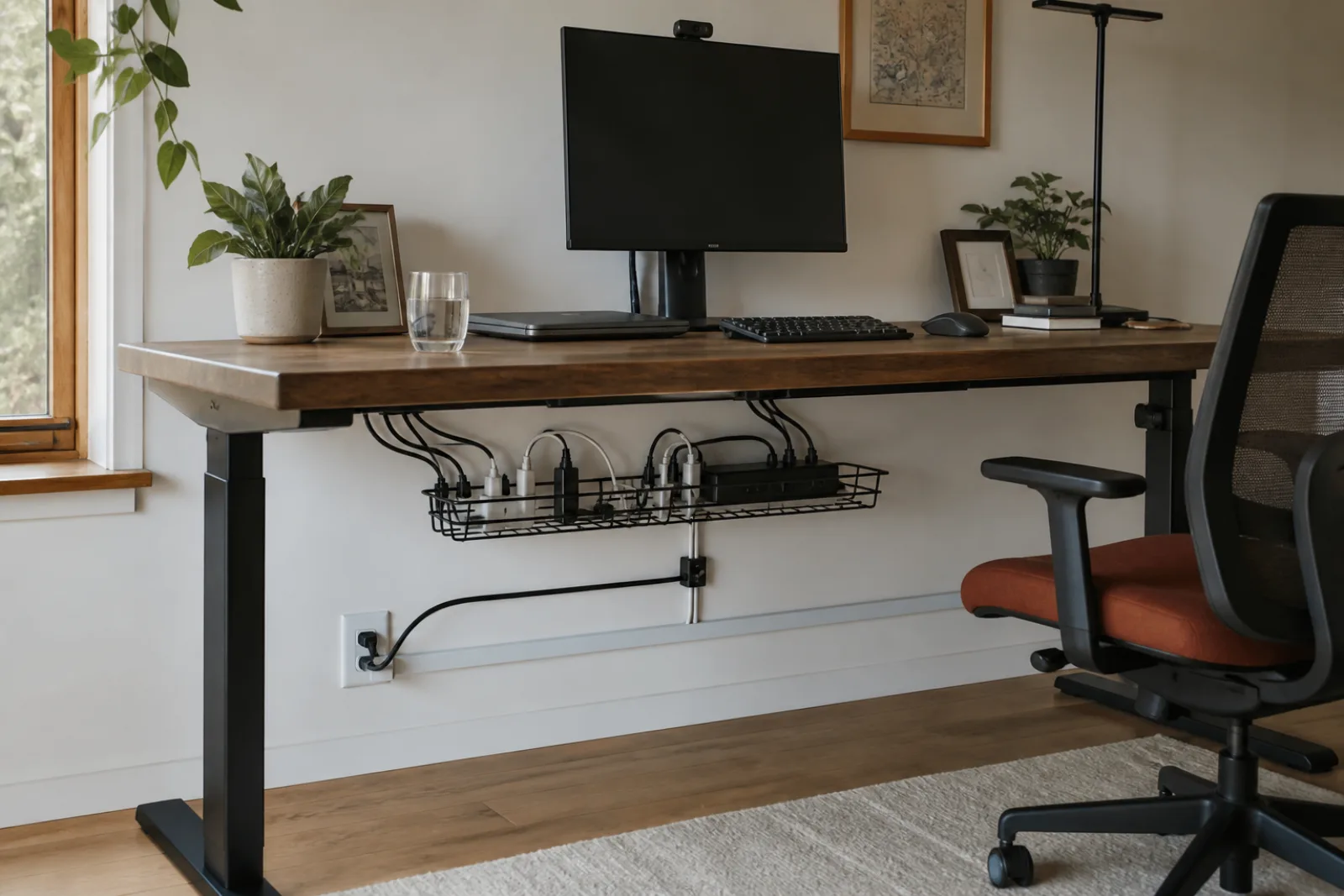
Cable mess comes back when every device has its own brick on the desktop. The durable system is one power location under the desk, short cables on the surface, and labels on the ends you will unplug.
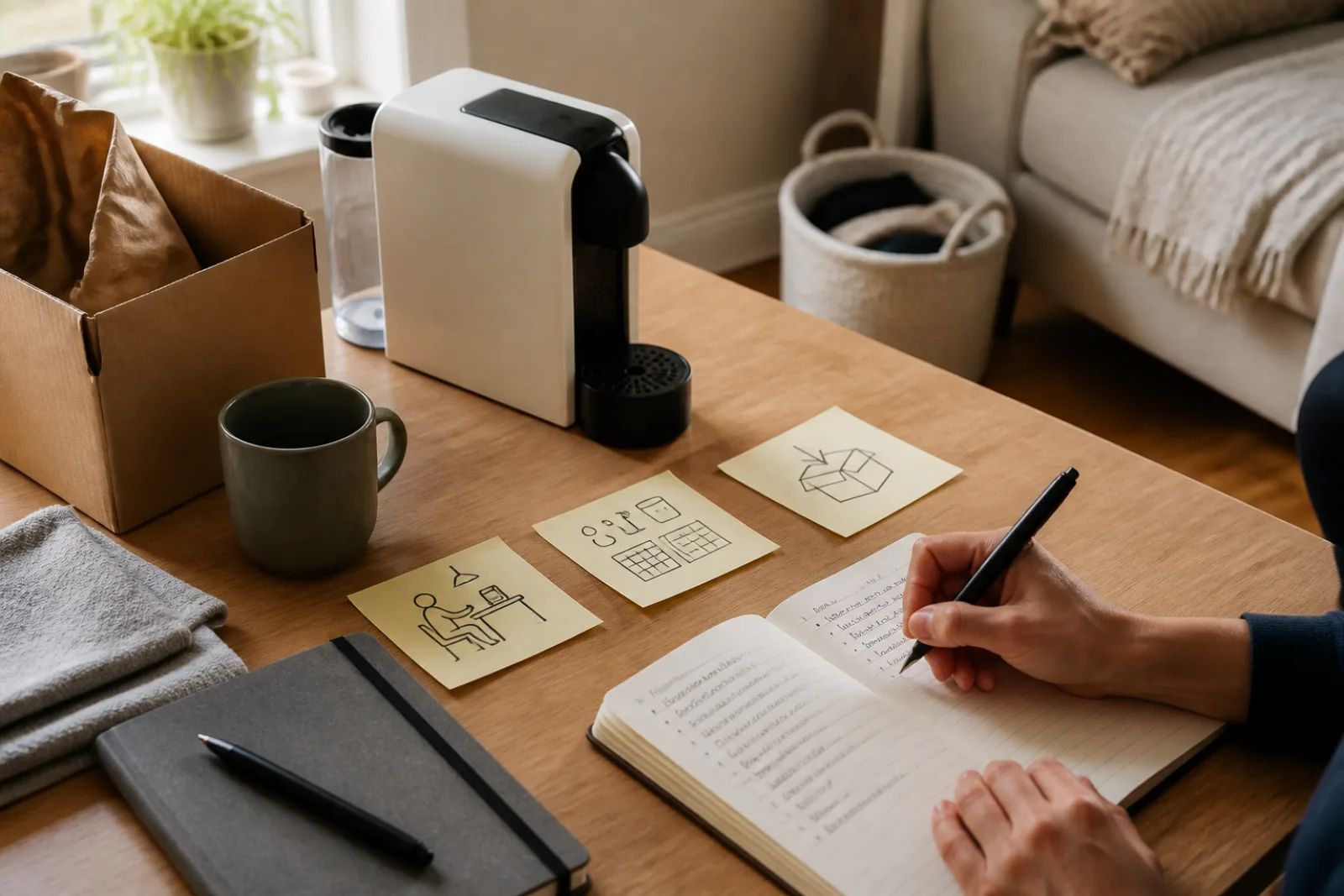
A waiting period alone does not stop a bad purchase; the month passes and the want is still there. A rule that requires the use case, the upkeep, and an exit plan for what gets displaced, written down before the wait even starts, does more of the actual work.
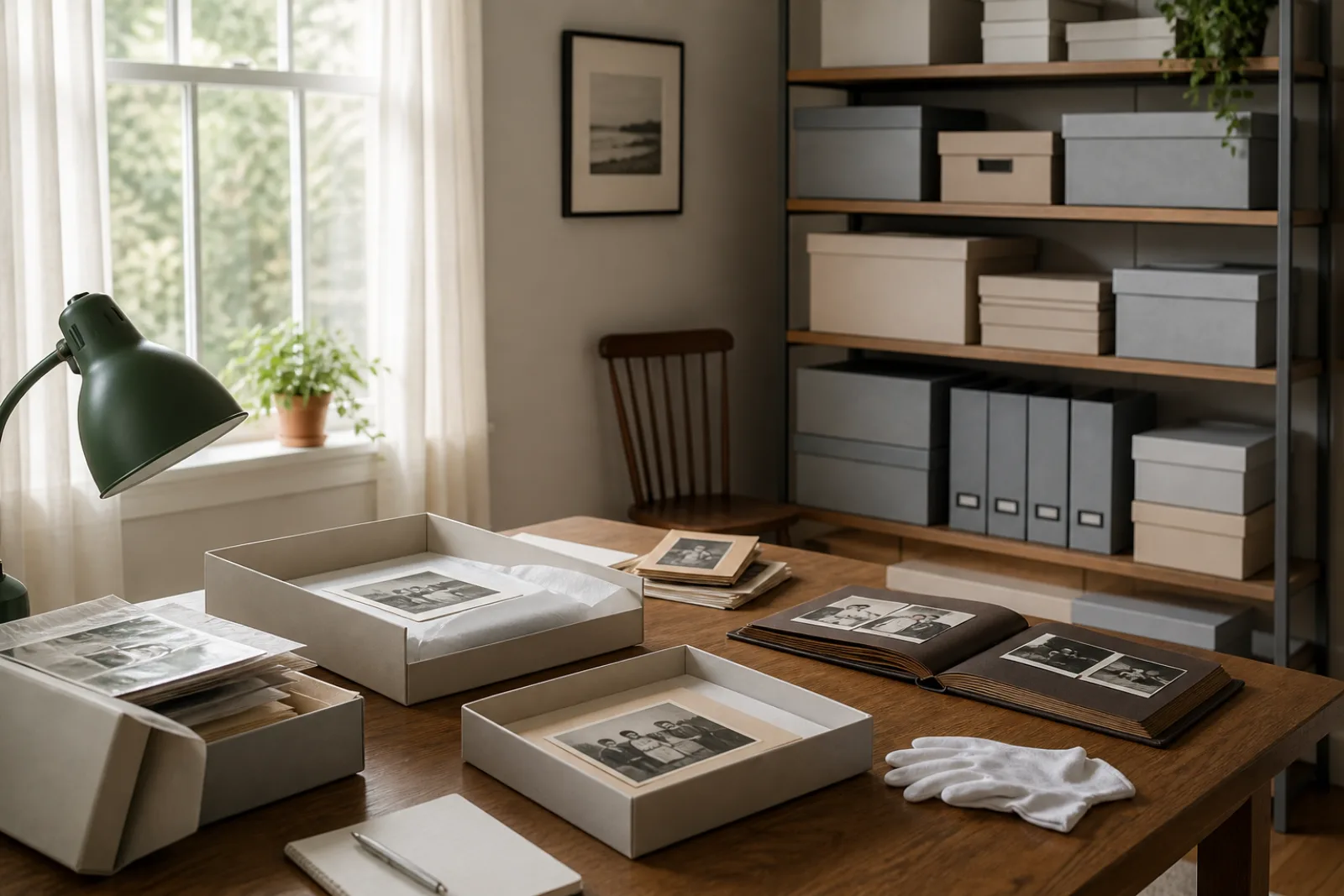
Prints fail from heat, humidity swings, cheap plastic, and sticky album pages long before they fail from being looked at. The Library of Congress's storage rules are specific enough to follow in a closet.
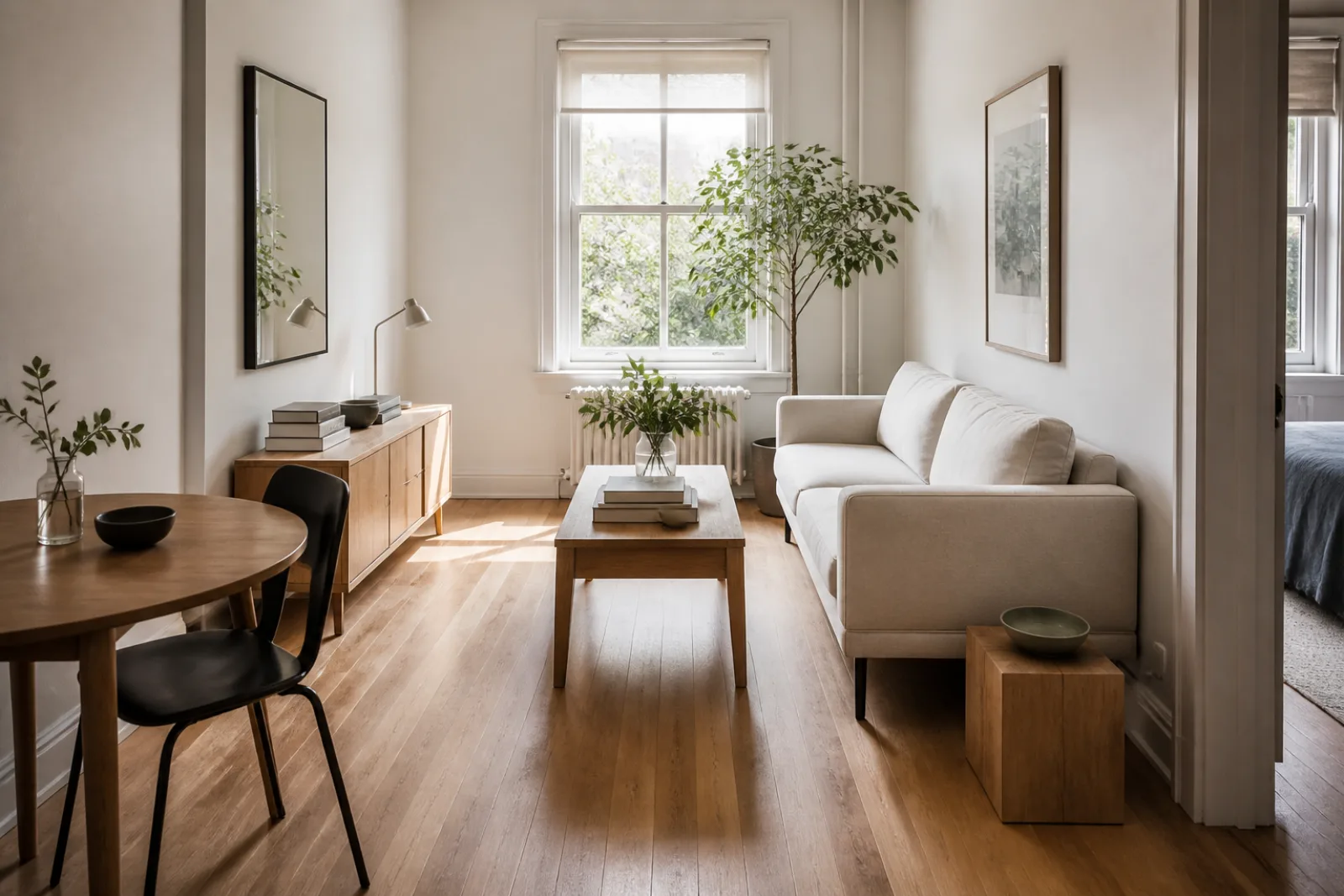
A small room feels bigger when you can see more floor, more continuous wall, and more light. Most 'small space tricks' are that geometry. A tiny sofa in a tiny room just looks like a waiting room.
6 MIN / Not applicable
The weekly letter
CULTURE COLUMN in your inbox.
One useful story, a short edit of objects and ideas, and no manufactured urgency.