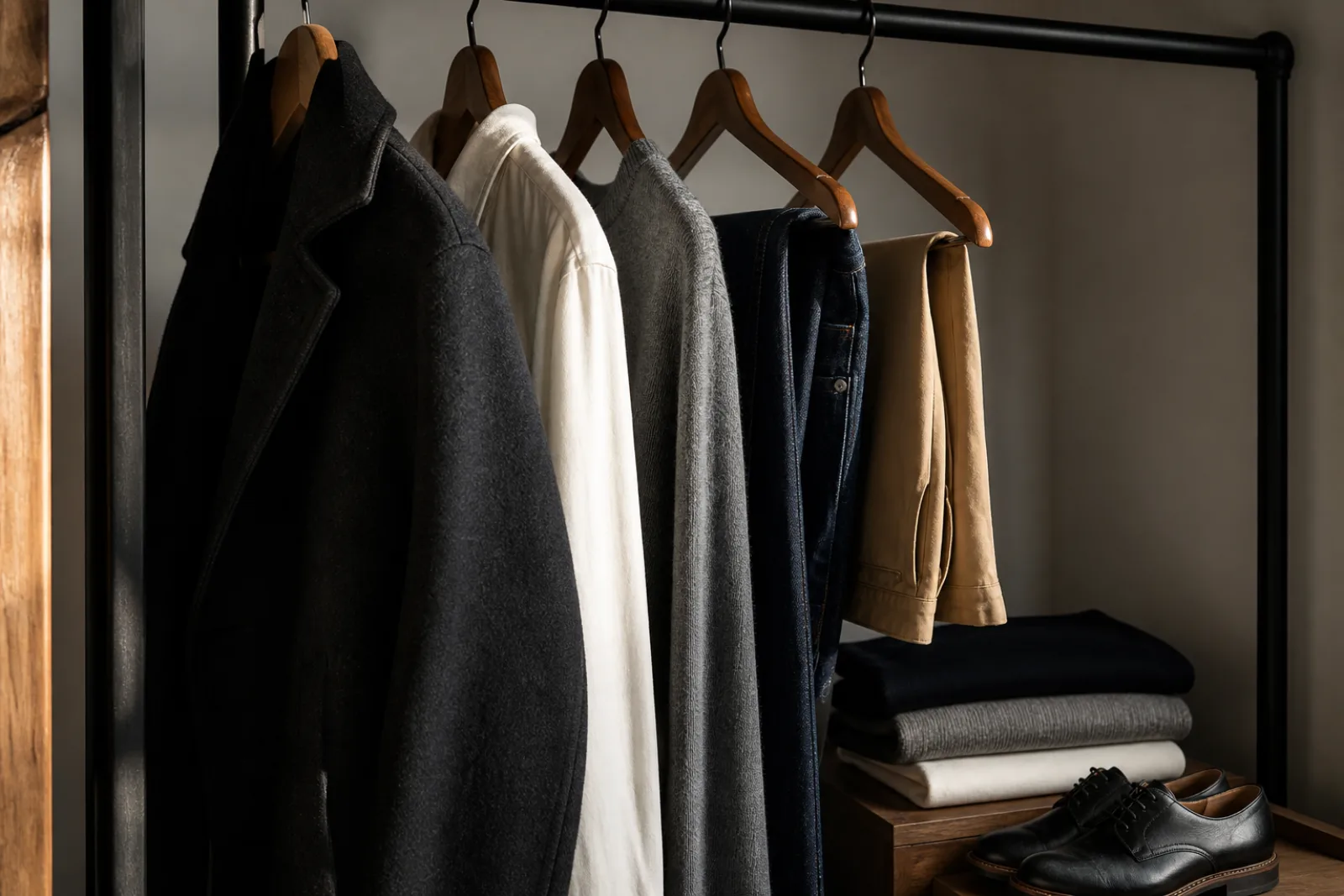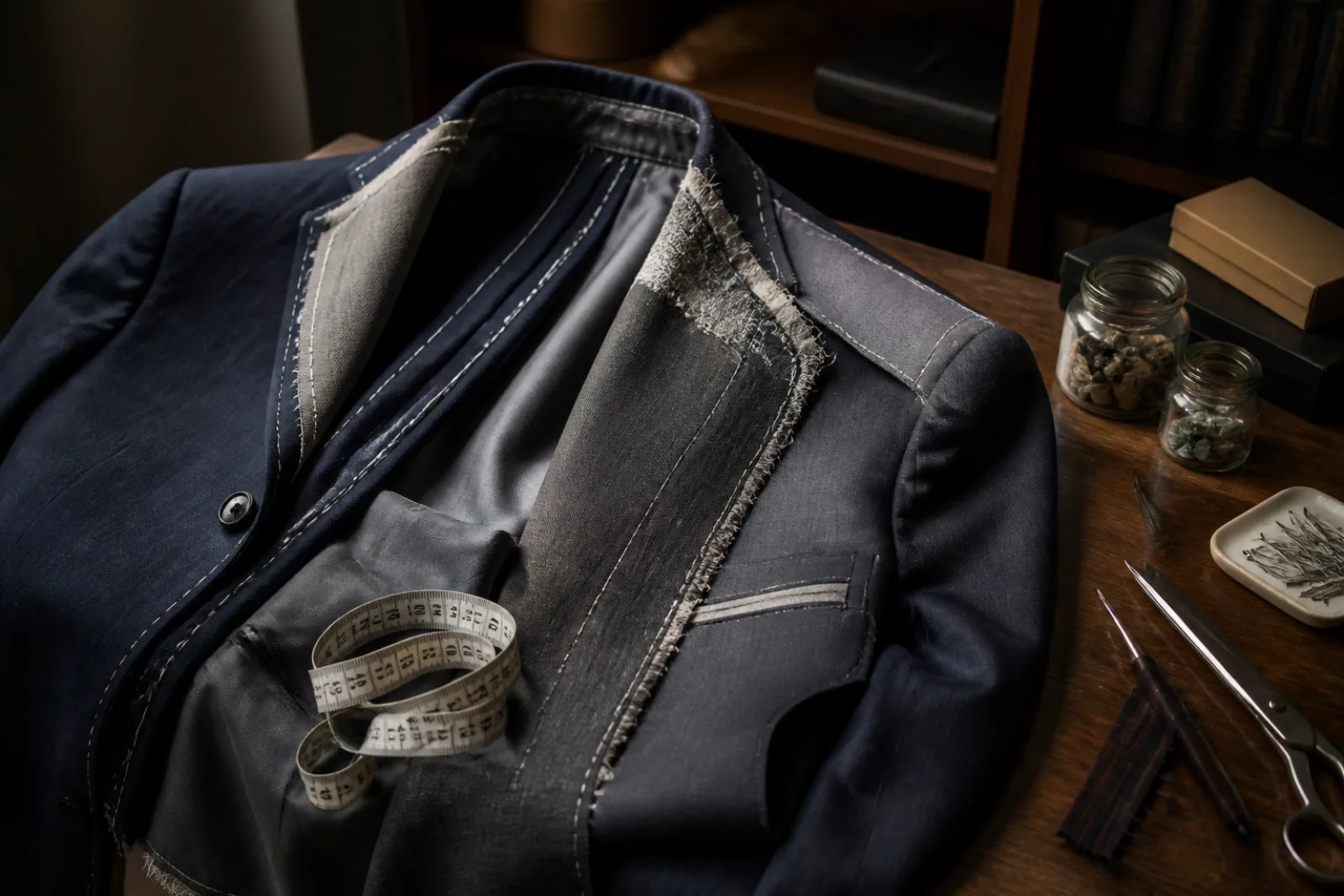

Darks and lights sorts for one thing only, dye transfer, and dye transfer is rarely what actually ruins a load. A wool sweater felted by hot water, a swimsuit's elastic gone slack from dryer heat, a fusible blazer lining bubbled because it got tumble dried anyway, none of that has anything to do with color. It has to do with what the fiber, the dye, and the construction can physically survive, and that information already exists on every garment's care label.
A repeatable system sorts by that tolerance first. Color only becomes relevant as a second check, for a new dark item that hasn't been washed enough times yet to stop bleeding onto lighter fabric it touches.
Three things actually determine which items can share a load: how much heat the fabric and dye can take, how much agitation the construction can take, and whether the color is stable yet. Cotton, most linen, and synthetic performance fabric tolerate warm-to-hot water and normal agitation. Wool, silk, rayon, and anything with spandex or elastic do not; heat and agitation are exactly what break those materials down, wool through felting, spandex through loss of stretch recovery, rayon through shrinkage and distortion.
Construction matters independent of fabric. A bra, anything with hooks, beading, or an open-weave knit needs a mesh bag regardless of what it's made from, because the washer's agitation is what damages it, not the water temperature. A brand-new dark garment, indigo denim especially, sheds excess dye for its first four to six washes; it doesn't belong with anything light-colored until it's been through that many cycles on its own or with other new darks.
Four working bins based on what the load can actually survive together.
- 01Heat-safe cottons, linens, whites
Warm to hot water, normal cycle; the load that can absorb the most agitation
- 02New or unstable darks
Cold water, separate from lights until dye stops bleeding, roughly four to six washes
- 03Delicates and elastic-heavy items
Wool, silk, rayon, swimwear, bras; cold water, gentle or hand-wash cycle, mesh bag for anything with hooks or beading
- 04Performance synthetics
Athletic wear, moisture-wicking fabric; cold water, no fabric softener, since softener coats the fibers that wick sweat
- 05Heavily soiled or contaminated
Gym towels, cloth diapers, anything with bodily fluids; washed alone, hot water where the label allows, to avoid cross-contaminating a mixed load
The care label isn't a caution, it's tested data. The Federal Trade Commission's Care Labeling Rule requires that a garment's manufacturer state the regular care the item needs and back that instruction with reliable evidence that following it won't damage the garment; when a label caps water at cold or forbids the dryer, that reflects an actual test result on that fabric and dye, not a generic hedge. The symbols themselves, tub icons for washing, triangles for bleach, squares for drying, an iron shape for pressing, follow a standardized system (ASTM D5489 in the U.S.; ISO 3758 is the visually similar but not identical international version), so a dot inside a wash-tub symbol or a specific number is a real temperature ceiling, not decoration.
"Do not tumble dry" most often protects one of two things: spandex or elastic, which loses its stretch recovery permanently under repeated dryer heat, or fusible interfacing inside structured garments like blazers and coats, which can bubble or delaminate from the heat even when the outer fabric would be fine. Reading the label before the first wash, not after the first problem, is what actually makes a laundry system repeatable instead of a set of remembered near-misses.
Heat is what makes most stains permanent, which is why stain treatment has to happen before a garment goes anywhere near a hot wash or a dryer, not after. Heat denatures protein stains, blood, sweat, egg, dairy, bonding them into the fiber; it oxidizes tannin stains, coffee, tea, wine, most fruit, into insoluble compounds; it polymerizes oil-based stains, cooking oil, sunscreen, makeup, into a film the fiber effectively absorbs. A stain that would have come out with a cold rinse and a pretreat becomes a permanent mark after one trip through a hot dryer.
The practical version: rinse the stain in cold water as soon as possible, from the back of the fabric so the treatment pushes the stain out rather than deeper in, and pretreat before washing. Never assume the wash removed it; check the spot while the item is still wet, before it goes into the dryer. If any trace remains, re-treat and rewash, or air dry instead of tumble drying, since a dryer cycle can finish setting what the wash didn't fully remove.
| Stain type | Correct first response | What sets it permanently |
|---|---|---|
| Protein (blood, sweat, egg, dairy) | Cold water rinse immediately, enzyme-based detergent pretreat | Hot water or dryer heat, which denatures and bonds the protein to the fiber |
| Tannin (coffee, tea, wine, most fruit) | Cold water rinse; avoid rubbing in bar soap first, which can set tannin | Hot water or dryer heat, which oxidizes tannin into an insoluble mark |
| Oil and grease (cooking oil, sunscreen, makeup) | Dish soap or enzyme pretreat worked into the fabric before washing | Dryer heat before the oil is fully lifted, which polymerizes it into the weave |
Setting Up a Repeatable System
- 01Four sort bins established by tolerance, not color: heat-safe basics, unstable new darks, delicates and elastic items, performance synthetics
- 02Care label checked before the first wash on any new garment, not after a problem
- 03A mesh bag kept near the hamper for bras, hooks, and open-weave knits
- 04New dark garments washed separately for the first four to six washes
- 05Every stained item checked while still wet, before it goes into the dryer
- 06A small stain kit (enzyme pretreat, dish soap) kept where laundry actually starts, not in a cabinet across the house
Questions
- 01Can I just wash everything on cold to be safe?
Cold protects color and elastic but does less to break down oil and protein soil, which is why heavily soiled items and true whites still benefit from the warmest temperature their label actually allows. Cold-only is a safe default for mixed or delicate loads, not a universal upgrade.
- 02What if a care label says dry clean only, but the fabric seems washable?
The label reflects tested results on that specific dye and construction, including things not visible from the fabric alone, like an interior lining, interfacing, or trim. Hand-washing a dry-clean-only item can work for simple, sturdy pieces, but it's a risk the manufacturer's testing didn't clear, not a hidden loophole.
- 03Is it fine to combine gym towels with a regular hot-water load?
Better to wash them alone. Sweat and bacteria-heavy items benefit from the hottest water the fabric tolerates and a full detergent dose without competing for capacity with a mixed load, and washing them separately avoids transferring odor-causing bacteria to other clothes.
The Short Version
- 01
Sort by heat and construction tolerance first; color only matters for new dark items that still bleed.
- 02
A care label's instructions are based on actual manufacturer testing of that fabric and dye, not a generic caution.
- 03
Treat and check every stain before the dryer; heat is what turns a removable stain into a permanent one.