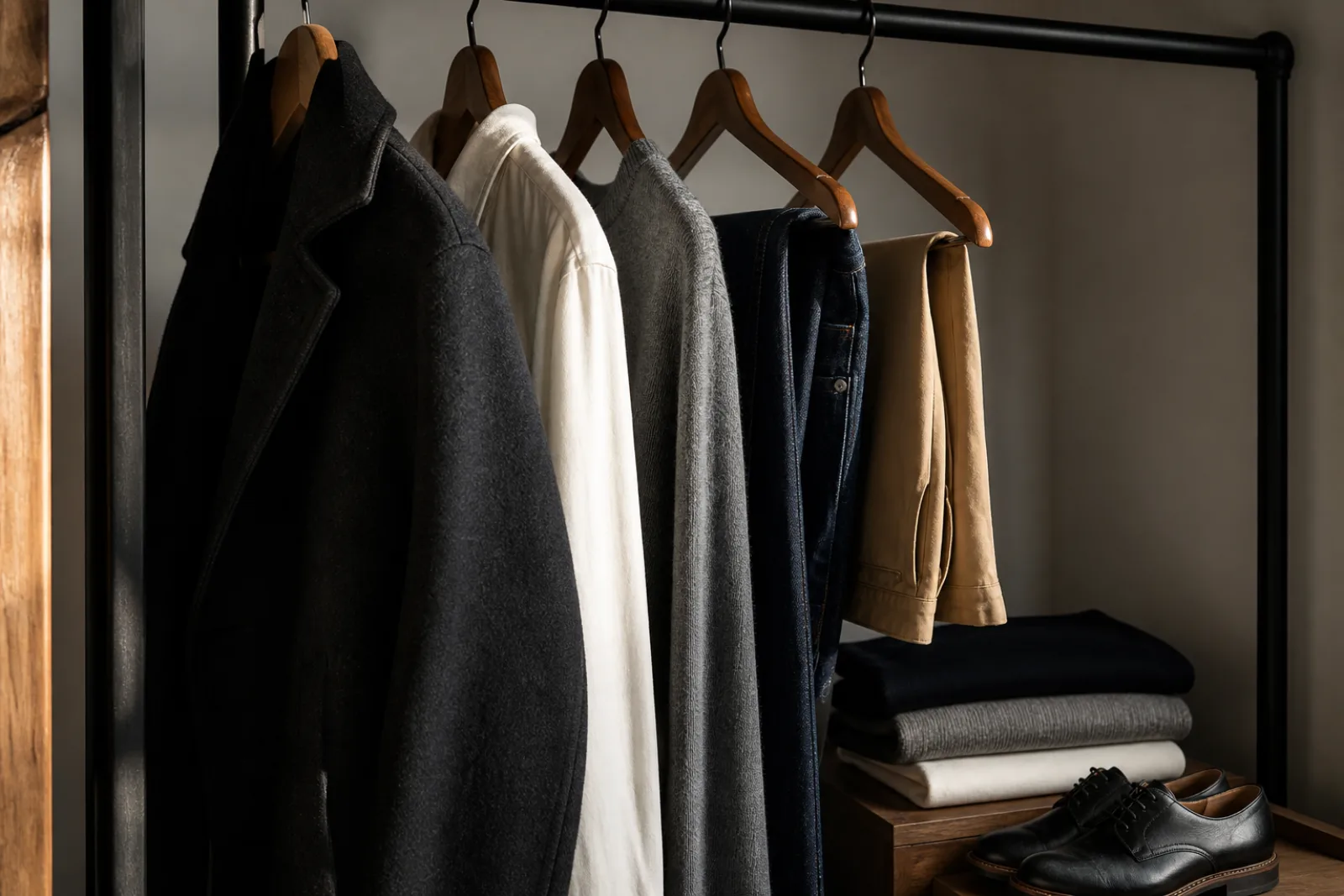
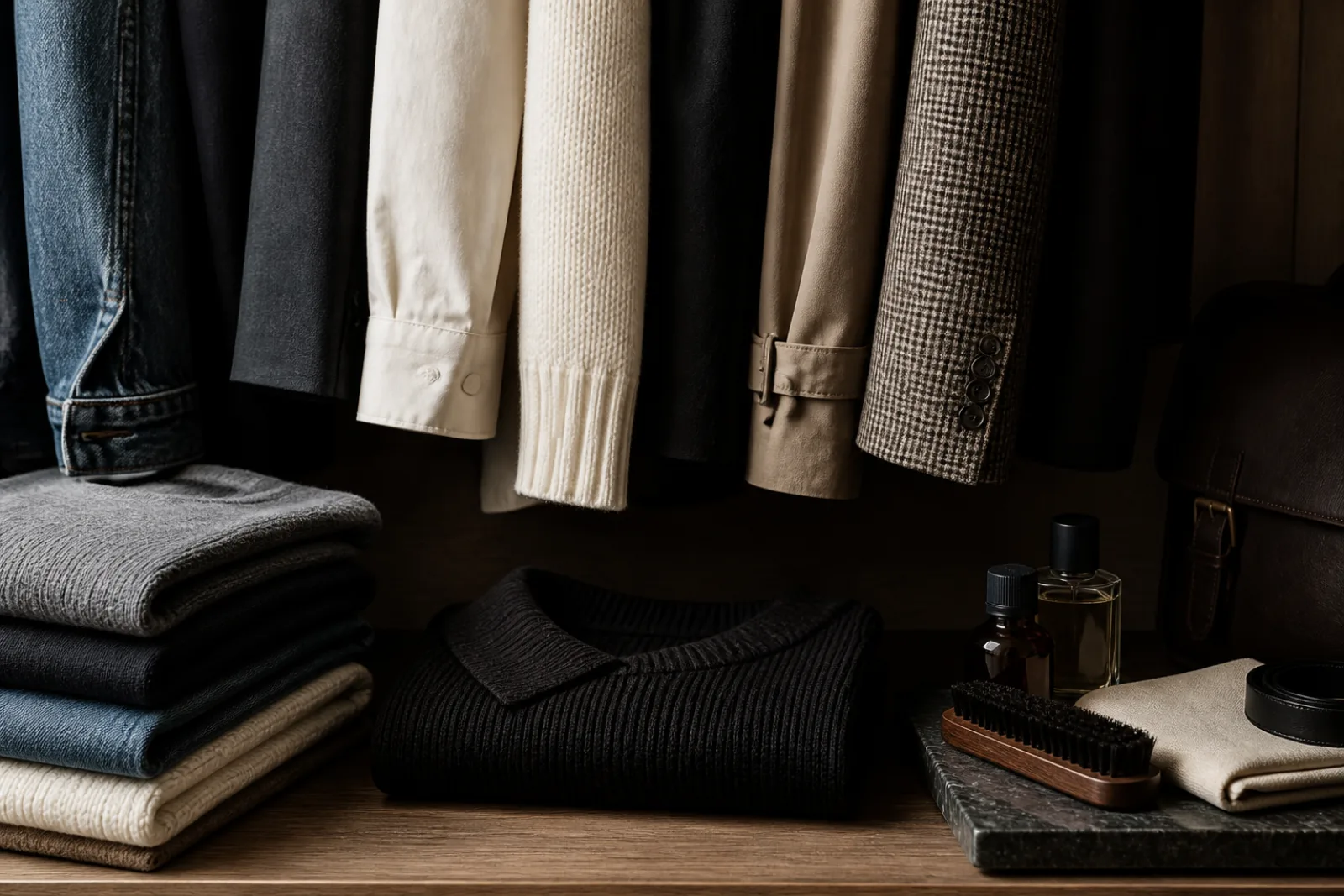
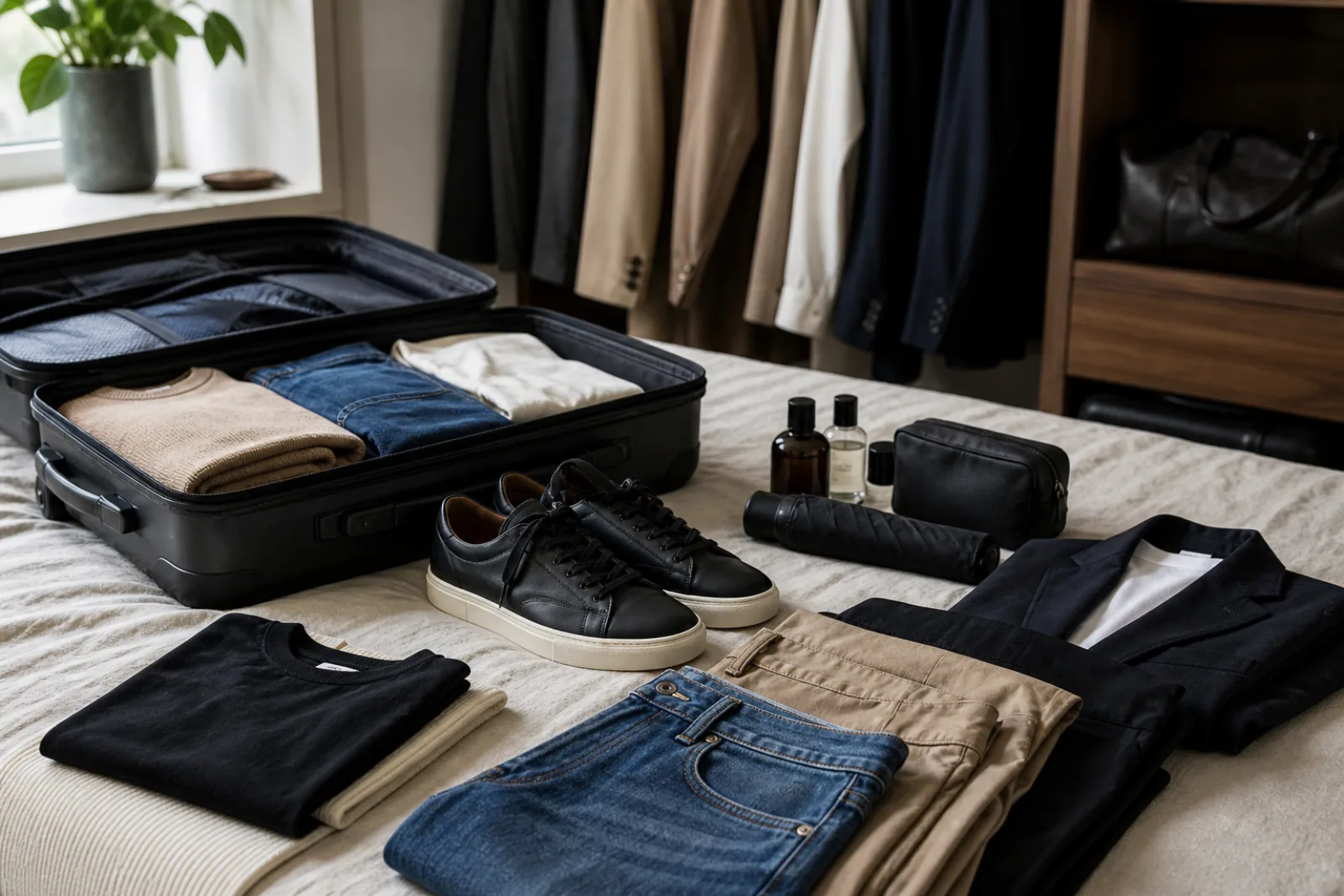
Ignore the 30-piece capsule number. Count what left your body over the last two to four weeks, then keep the pieces that share a wash load and cover your weather, work, and laundry gap.
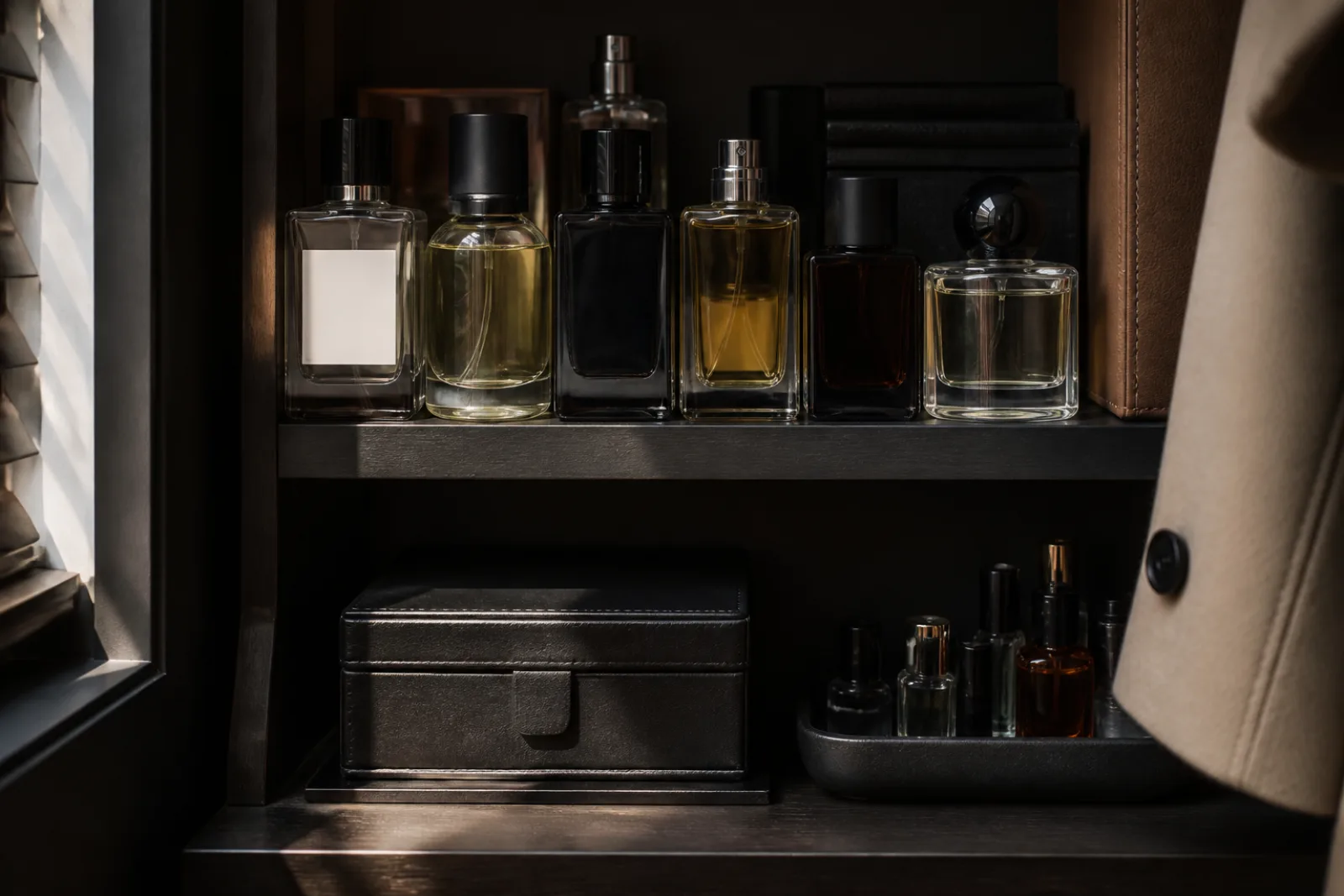
Heat, light, and air oxidize the materials in a perfume. A bathroom shelf is a small oven with a steam cycle. The original bottle, closed, in the dark, in a closet that stays ordinary room-cool, is the storage that matches the chemistry.
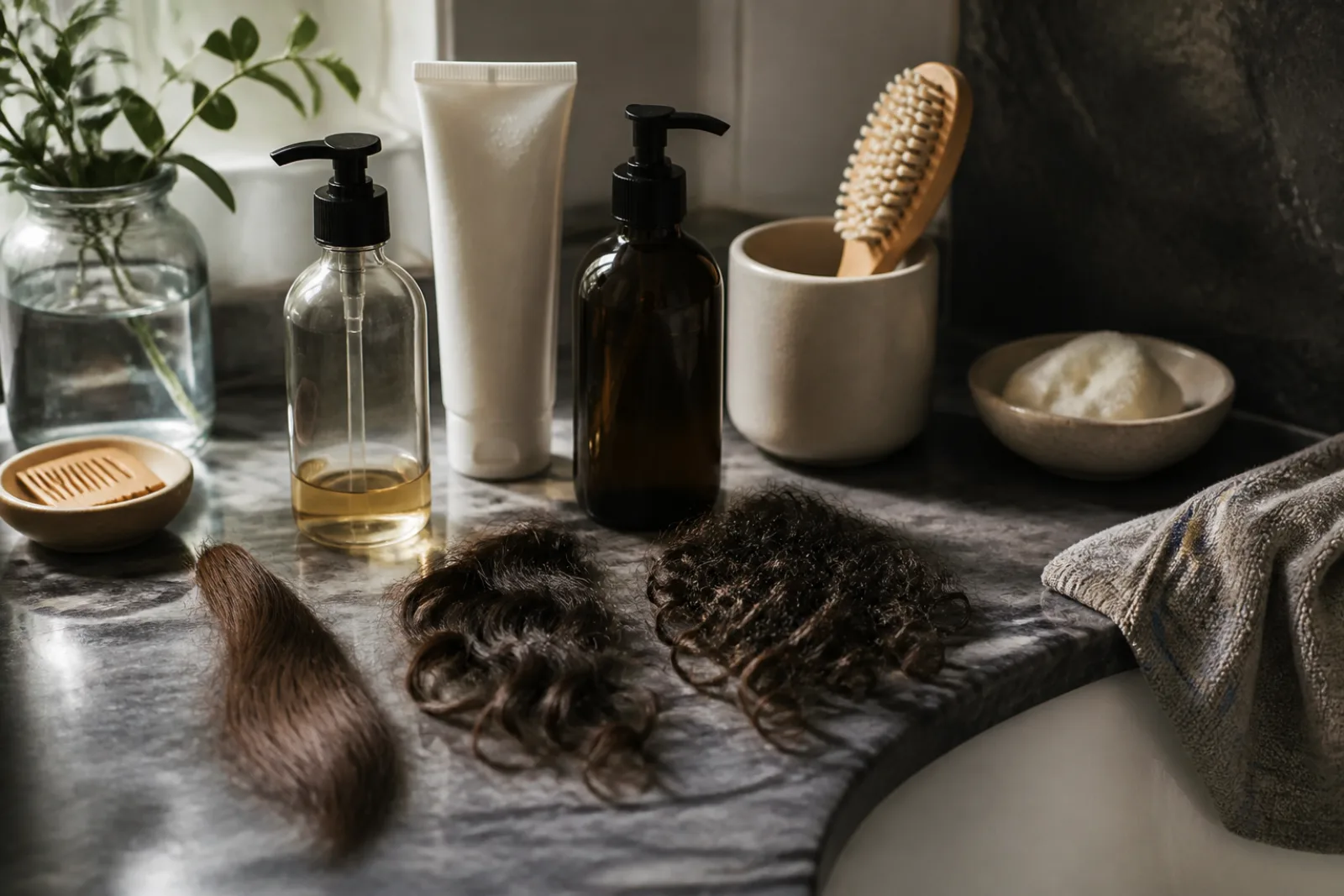
The American Academy of Dermatology does not give one number. It gives a rule: wash when the scalp is dirty or oily, which might be daily for straight oily hair and every few weeks for dry, curly, or thick hair. Shampoo the scalp, not the lengths.
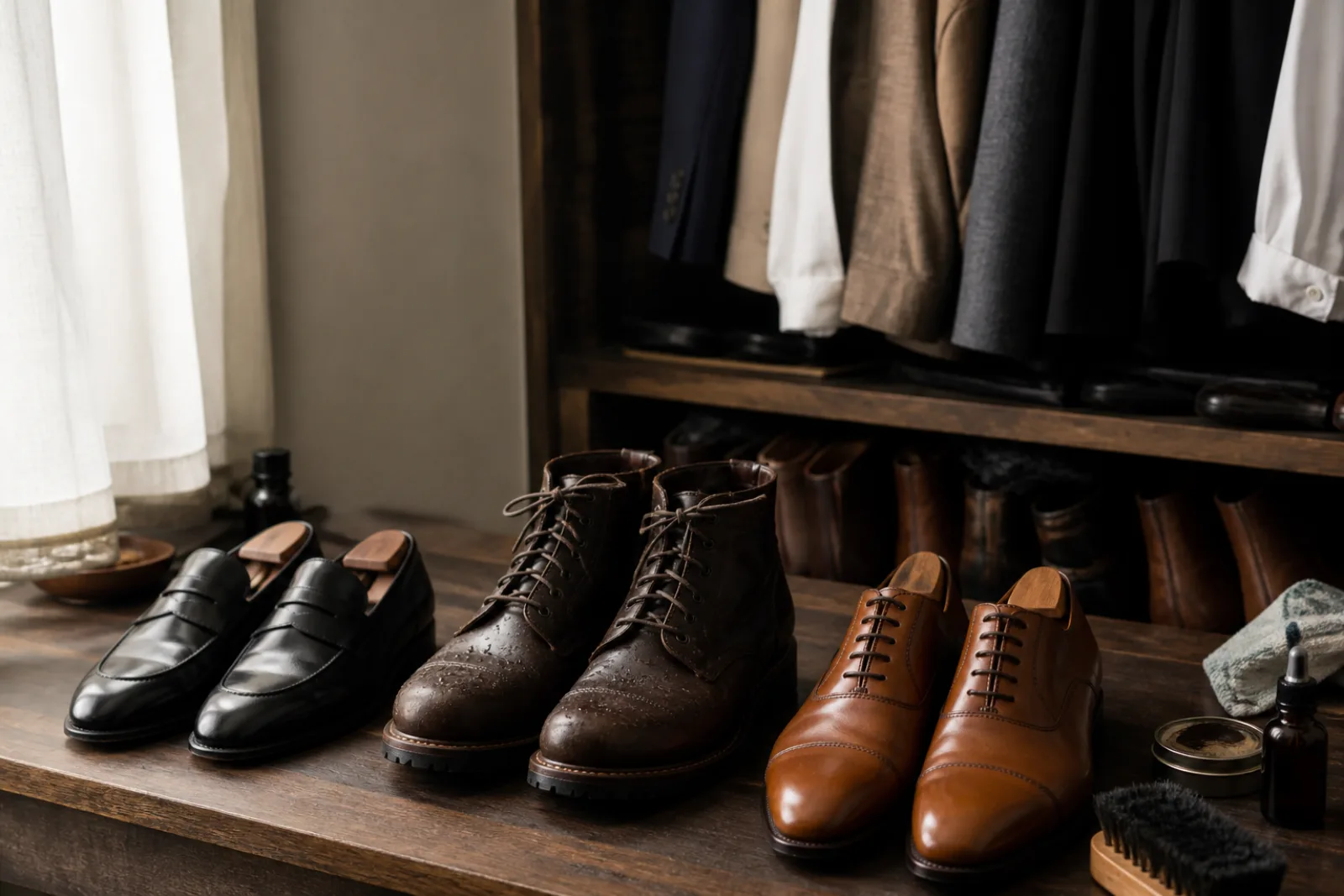
A useful rotation is three jobs, not a closet of similar pairs: something you can walk and stand in, something that handles wet ground if your climate needs it, and something that meets a dress code. Leather needs a day off. Looks are not mileage.
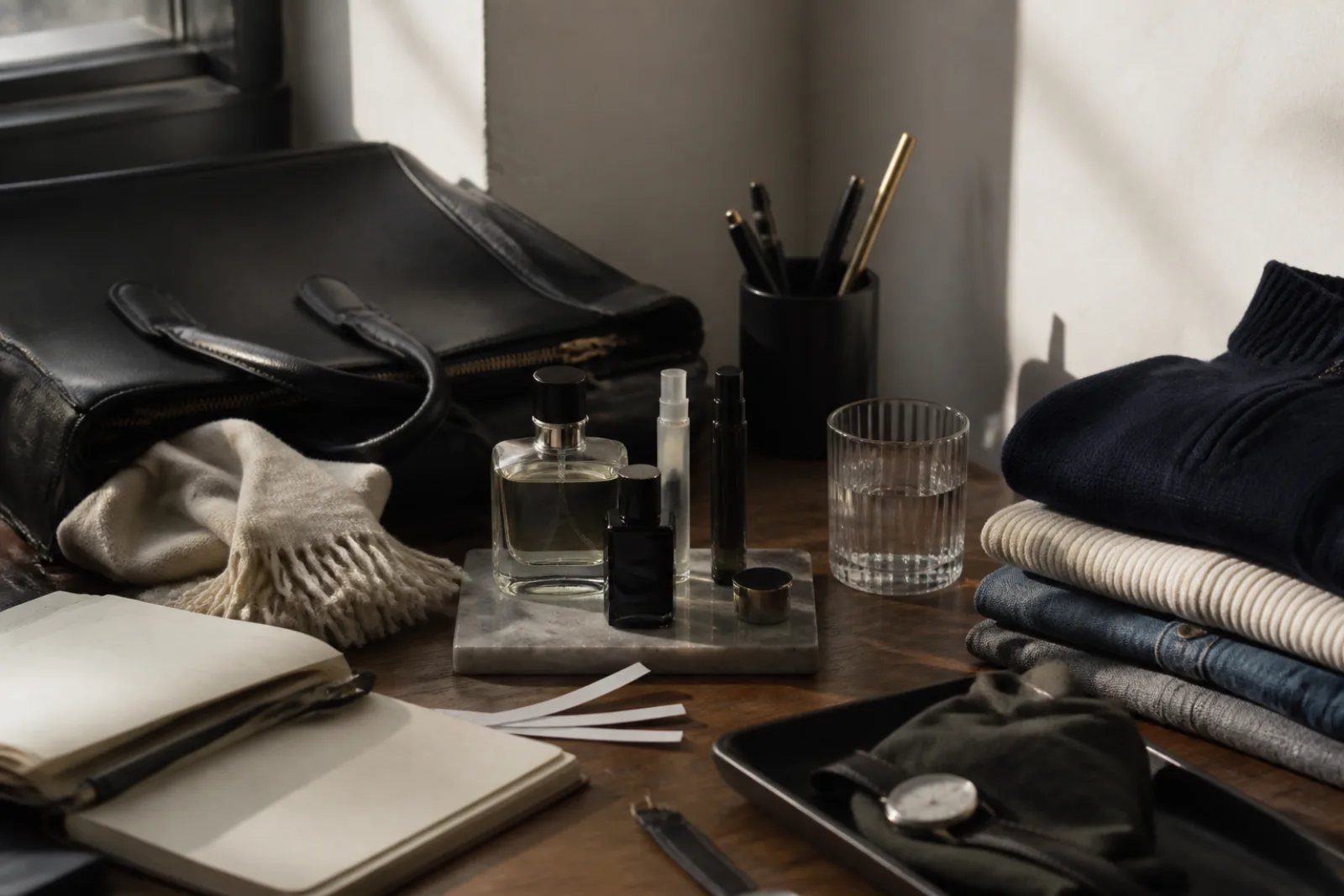
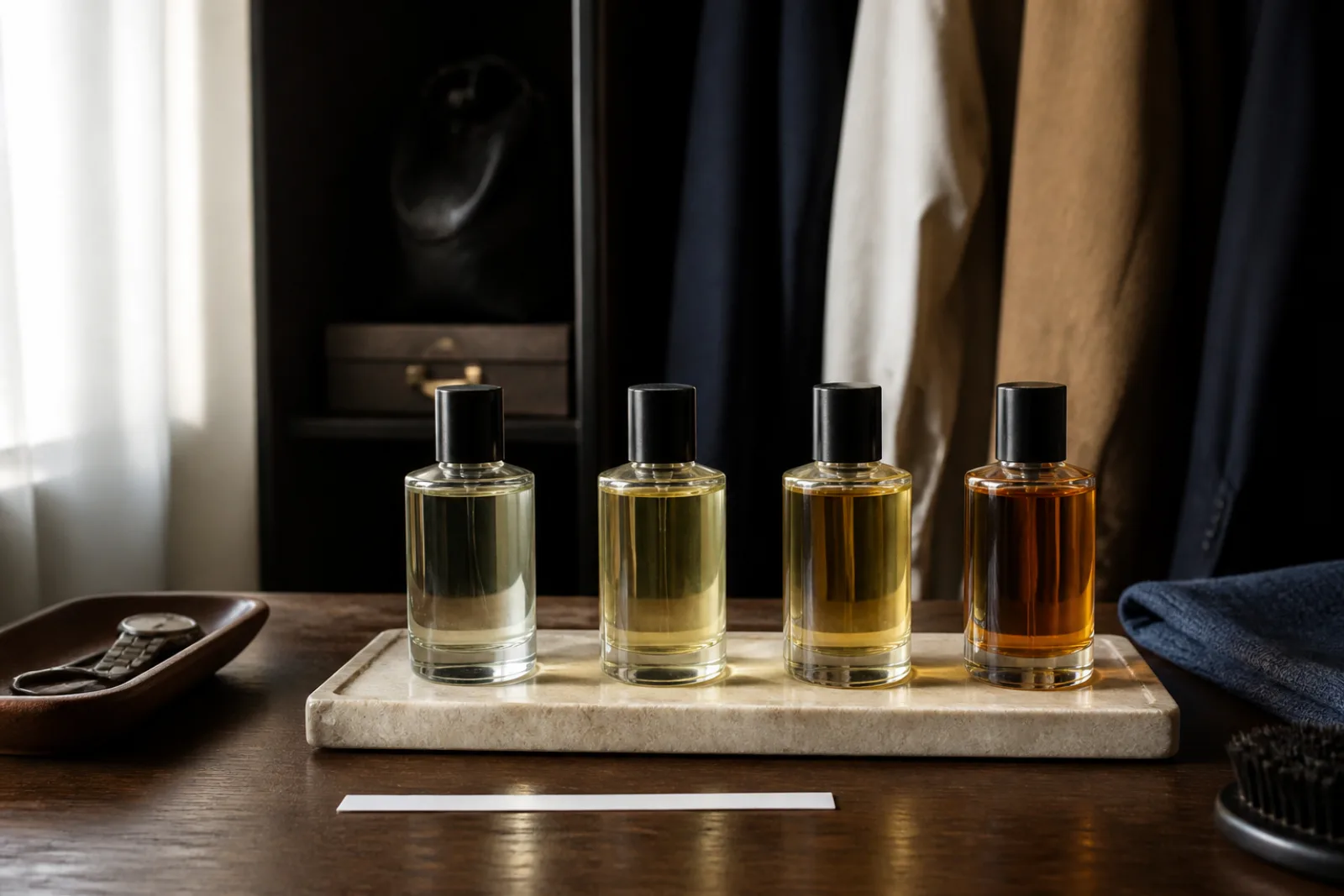
Daily fragrance is a ventilation and dry-down problem, not a bottle problem. Test on skin, wait through the first hour, and ask whether the leftover smell belongs in a small office. Concentration labels will not answer that.
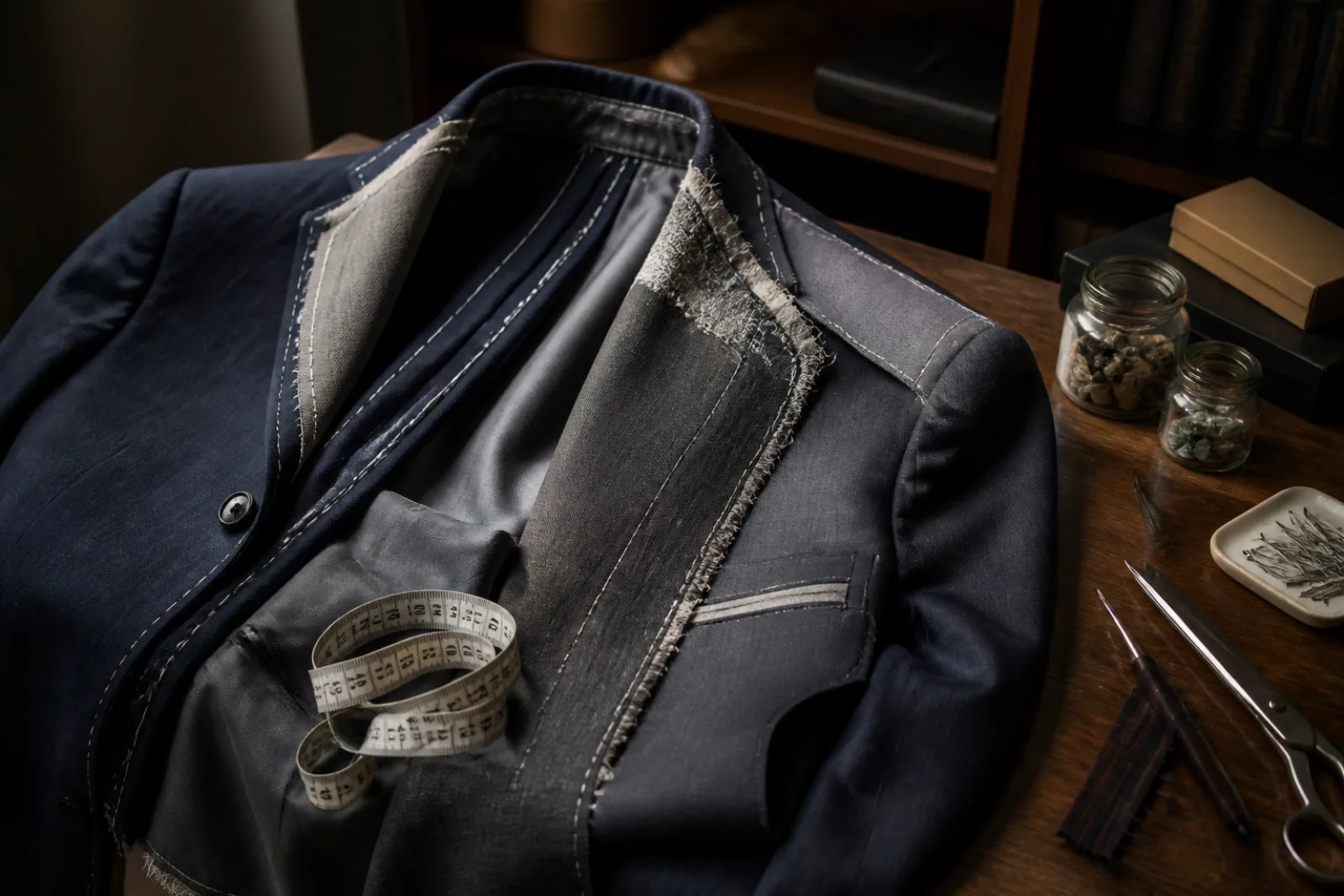
Alterations fix length, waist, and sleeves when the bones of the garment already fit: shoulders, chest, and the way the fabric hangs. They do not relocate a pocket onto a body the pattern was not cut for, at least not cheaply.
Style is the repeat pattern in a month of real outfits, not a mood board. Photograph what you actually put on, keep the pieces that show up, and let the rest of the closet be inventory you do not have to perform.
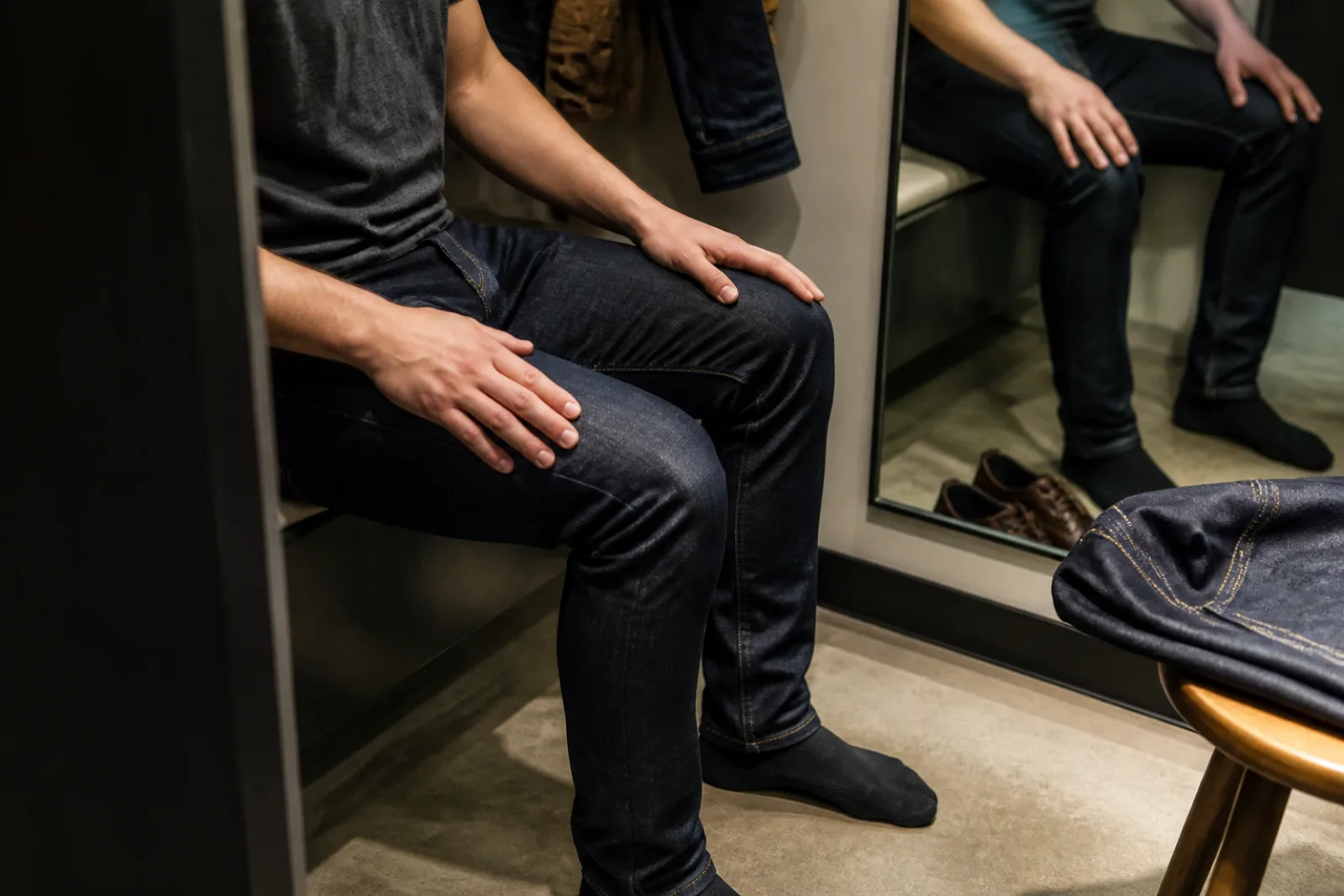
Jeans that look right standing still can fail the moment you sit. Check where the waistband actually lives, what the rise does when you bend, and whether the fabric snaps back or starts to bag. Stretch is comfort and, over time, a different shape.
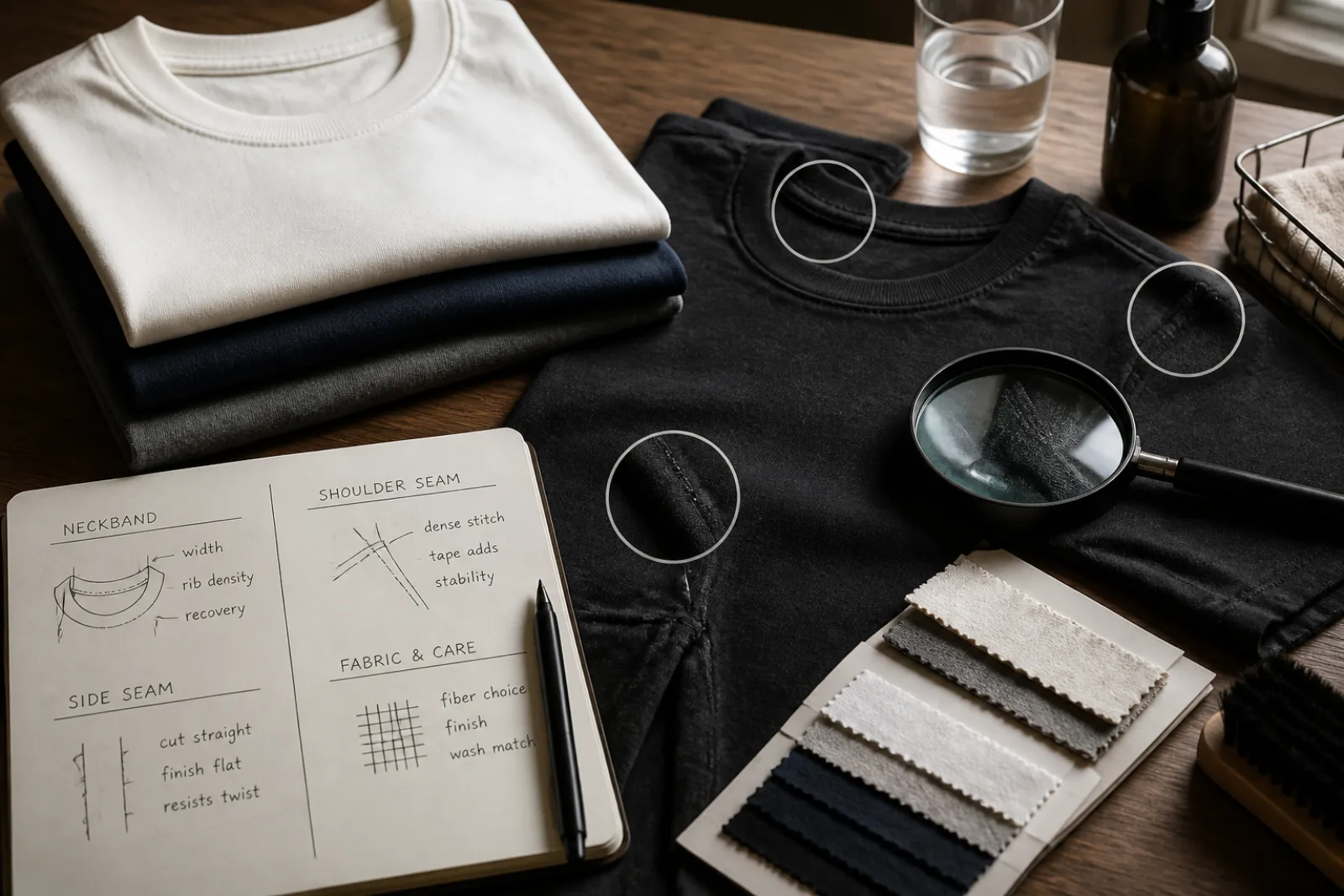
Heavier fabric is not a quality guarantee. Check the neckband's snap-back, whether the side seams hang straight, stitch density at the shoulder, and the fiber on the label. Those predict how the shirt will look after washing better than a gram weight does.
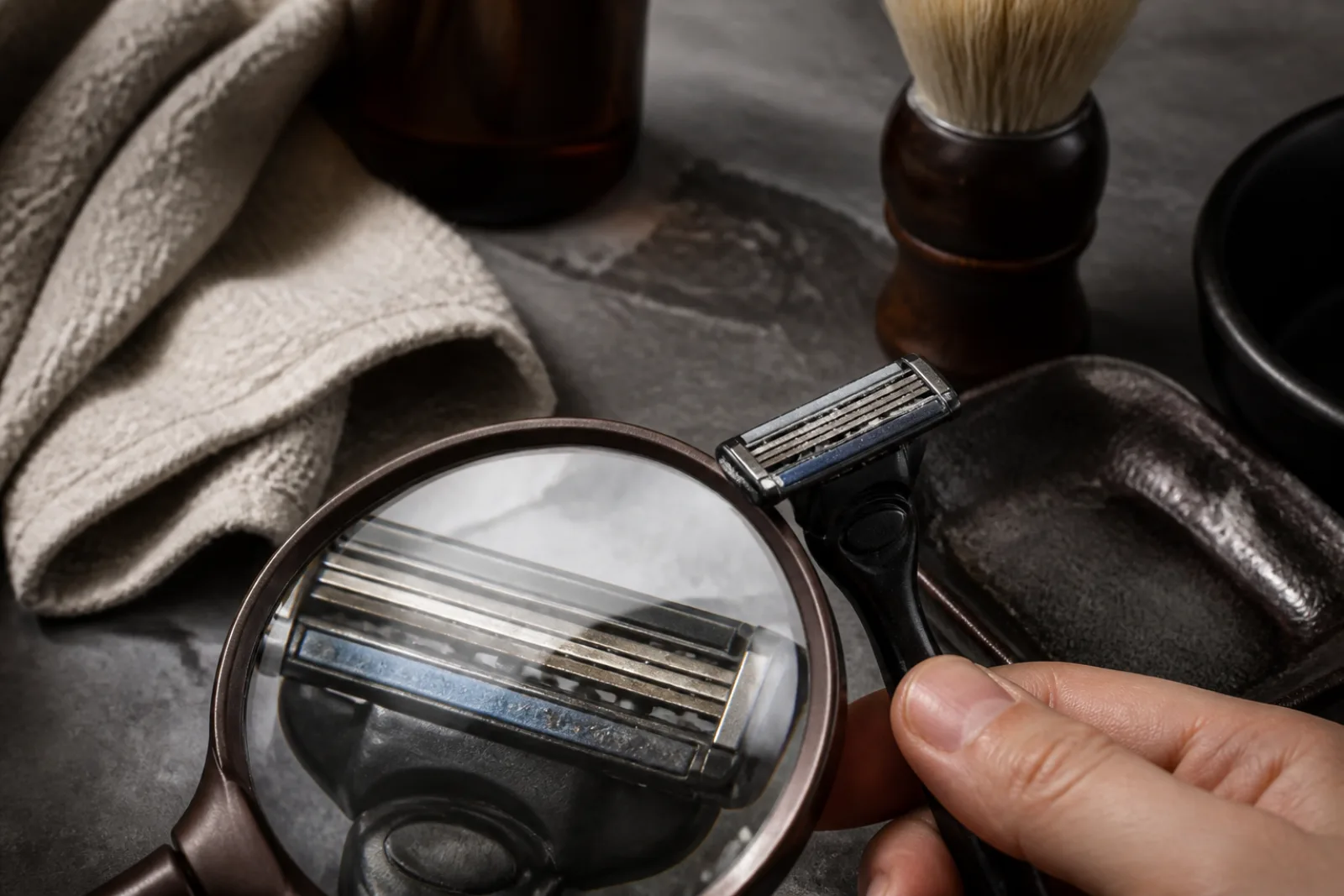
A blade is done when it tugs, skips, or looks damaged, not when a package says 'up to 12 shaves.' Hair, angle, and whether you dry the cartridge change that number more than the marketing count does.
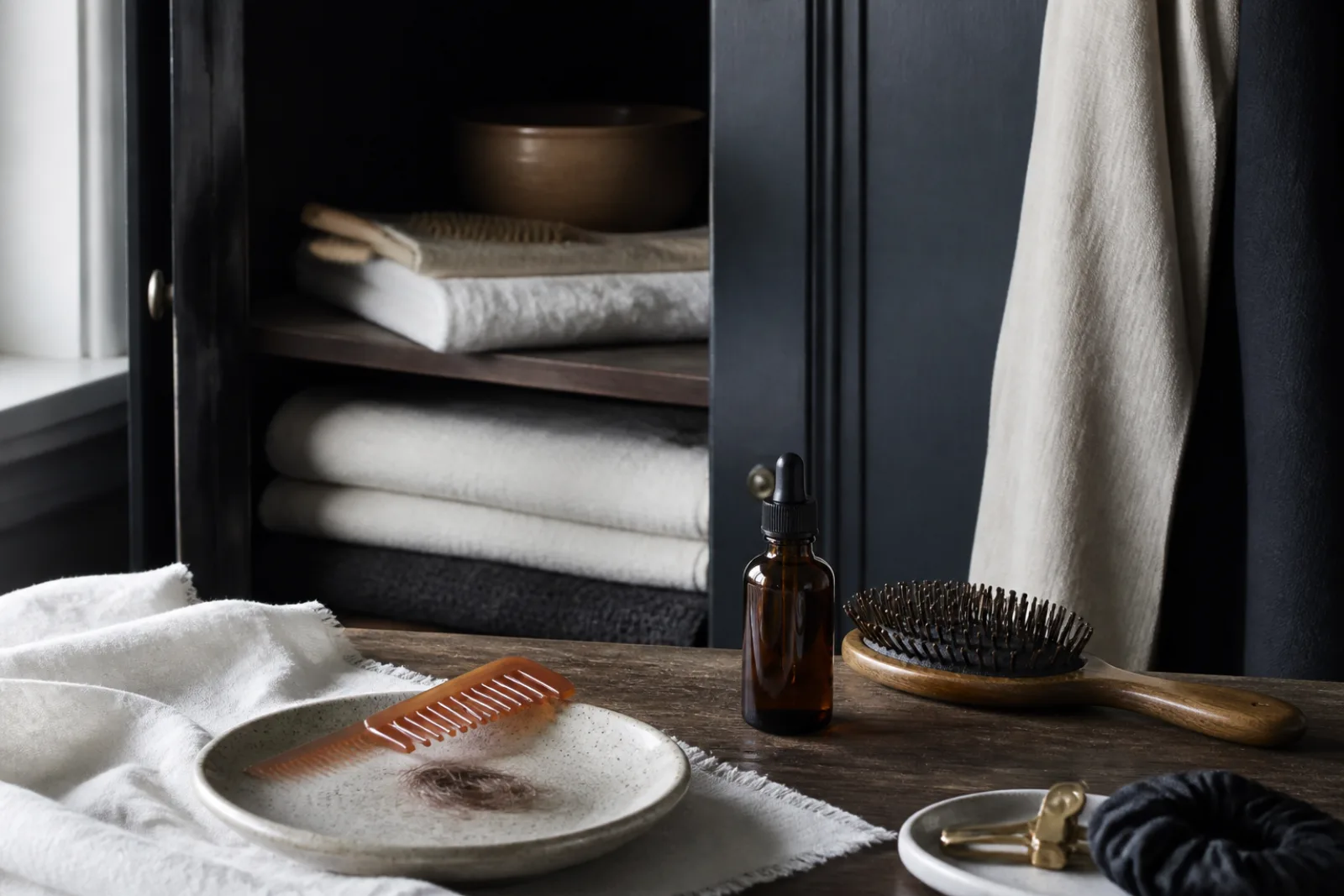
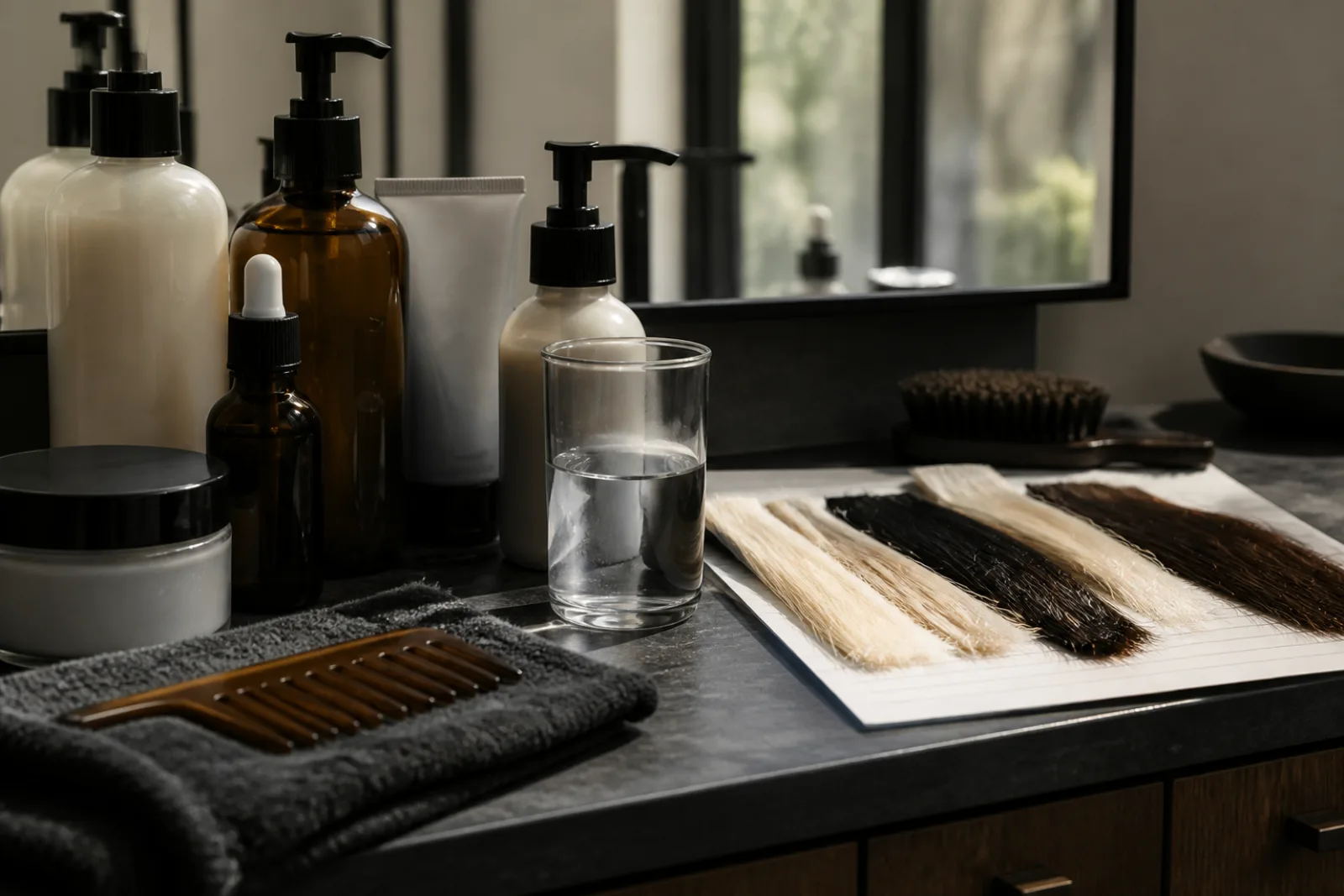
The American Academy of Dermatology's real guidance on reducing hair damage is specific: where you apply shampoo, how you dry it, which chemical treatments to pause. And it draws a clear line for when gentler care alone isn't enough.
Five days packs around one footwear strategy, bottoms you can rewear, and fabrics that match the laundry you will actually have. Leave the extra shoes at home unless the forecast or a dress code truly requires them.
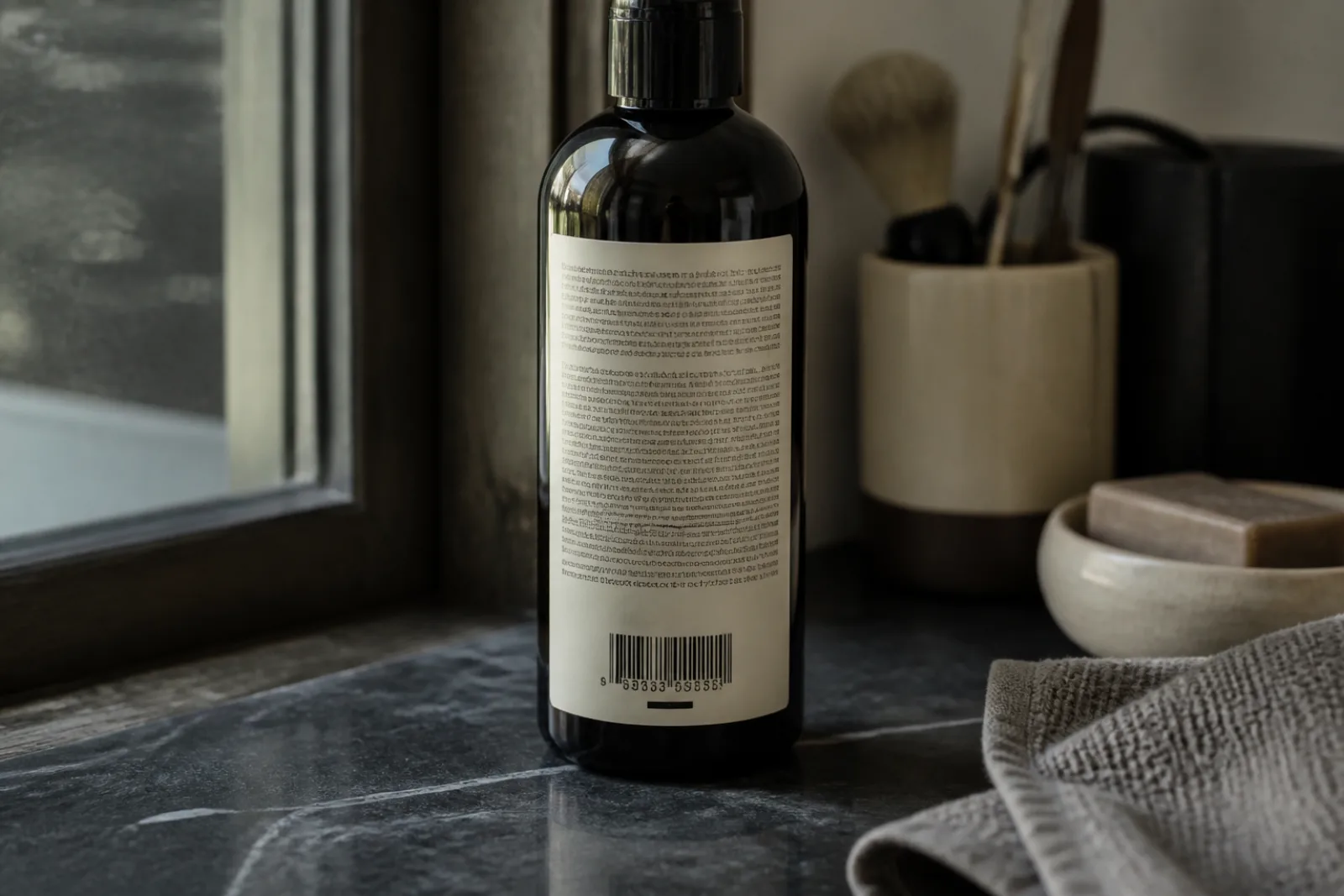
U.S. cosmetic labels list ingredients in descending order of predominance, with a legal exception: anything at 1 percent or less may appear in any order after the >1 percent group. Position is not a dose, and 'fragrance' is allowed to be a black box.
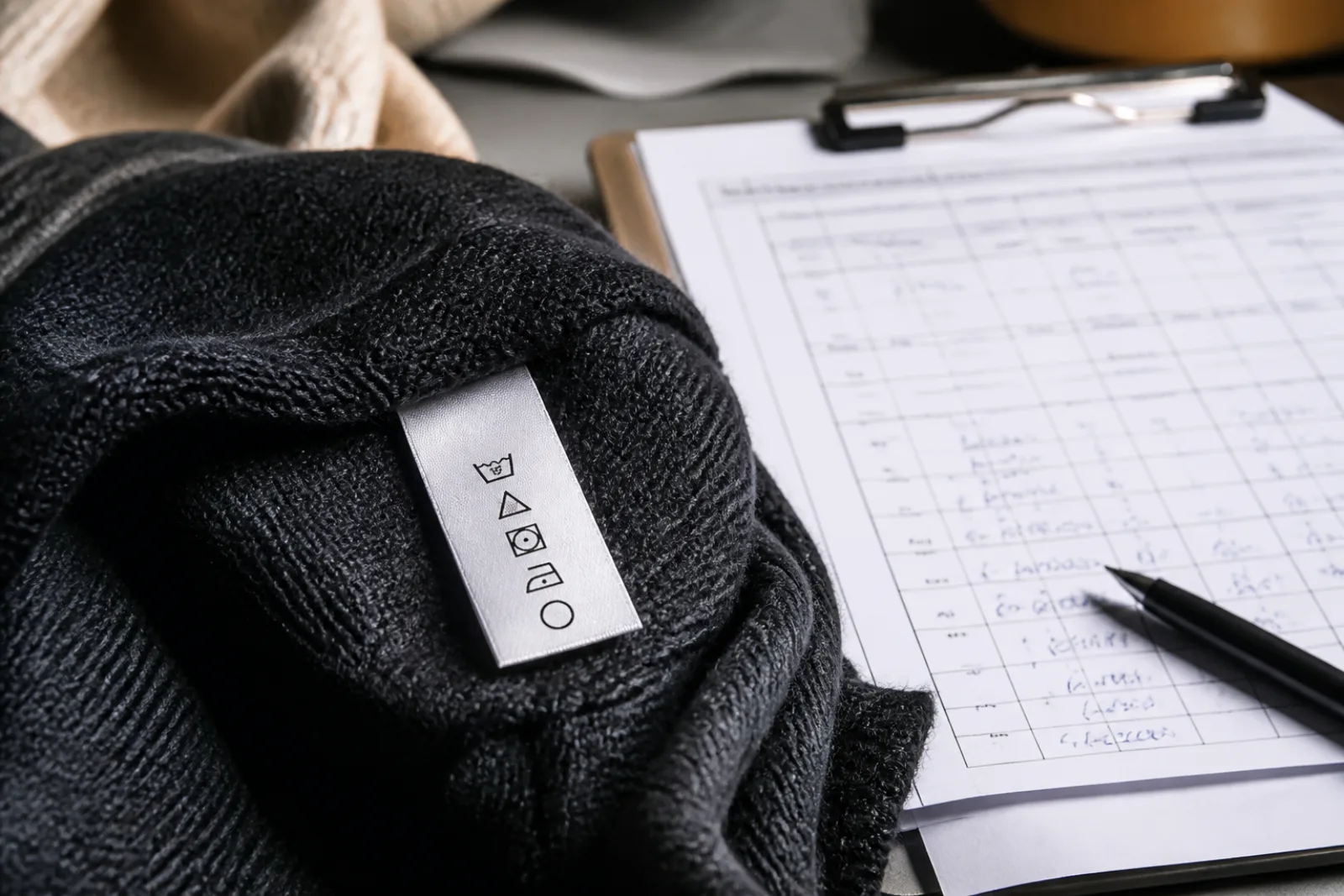
A care label is a legally required, tested minimum, not a suggestion. Federal rules dictate what it must cover, in what order, and require the manufacturer to have real test evidence behind every instruction on it.
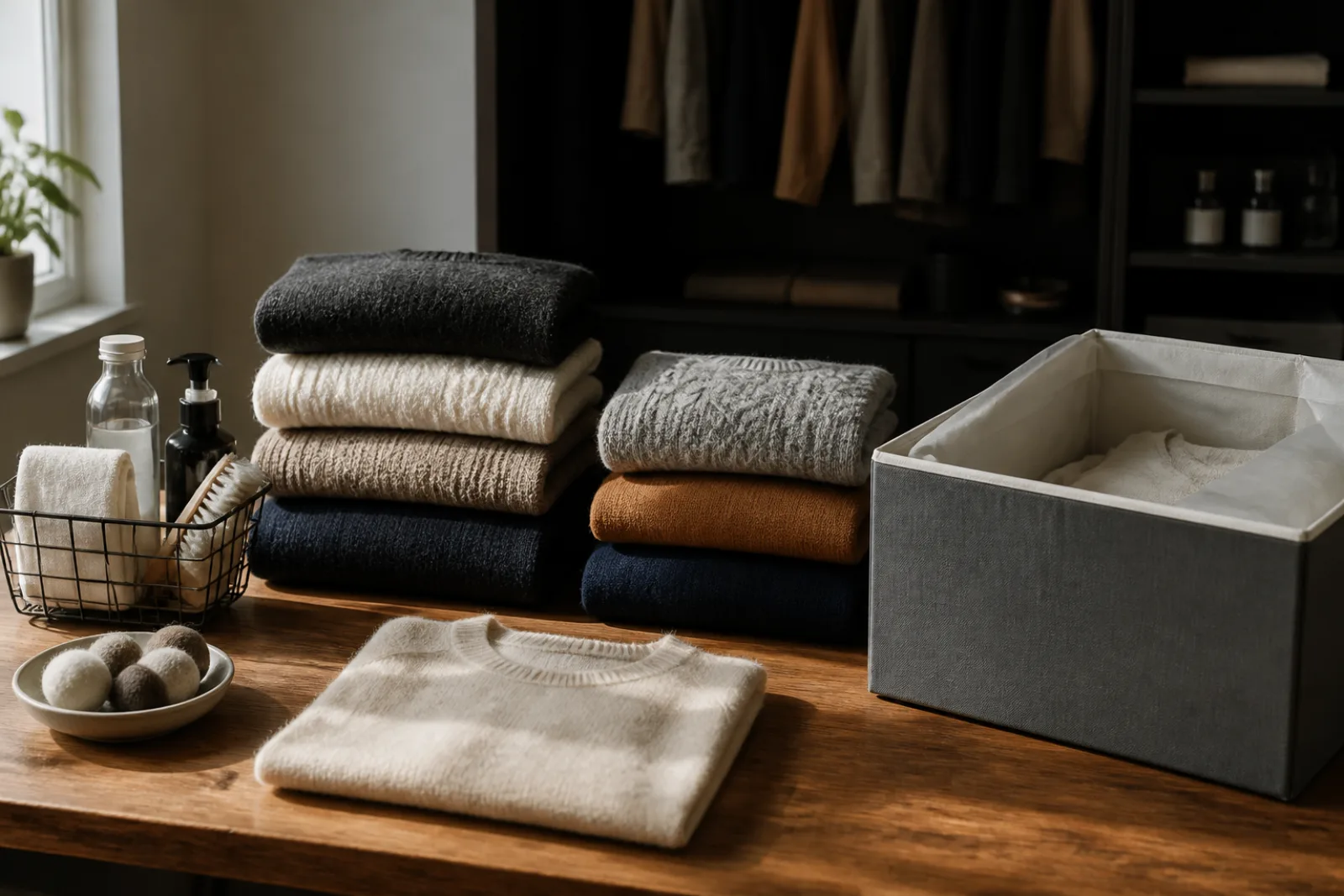
Clothes moth larvae eat keratin, and they prefer it with a side of sweat. Clean the sweater, fold it so it does not stretch, and put it in a container that actually closes. Cedar is a weak scent, not a force field.
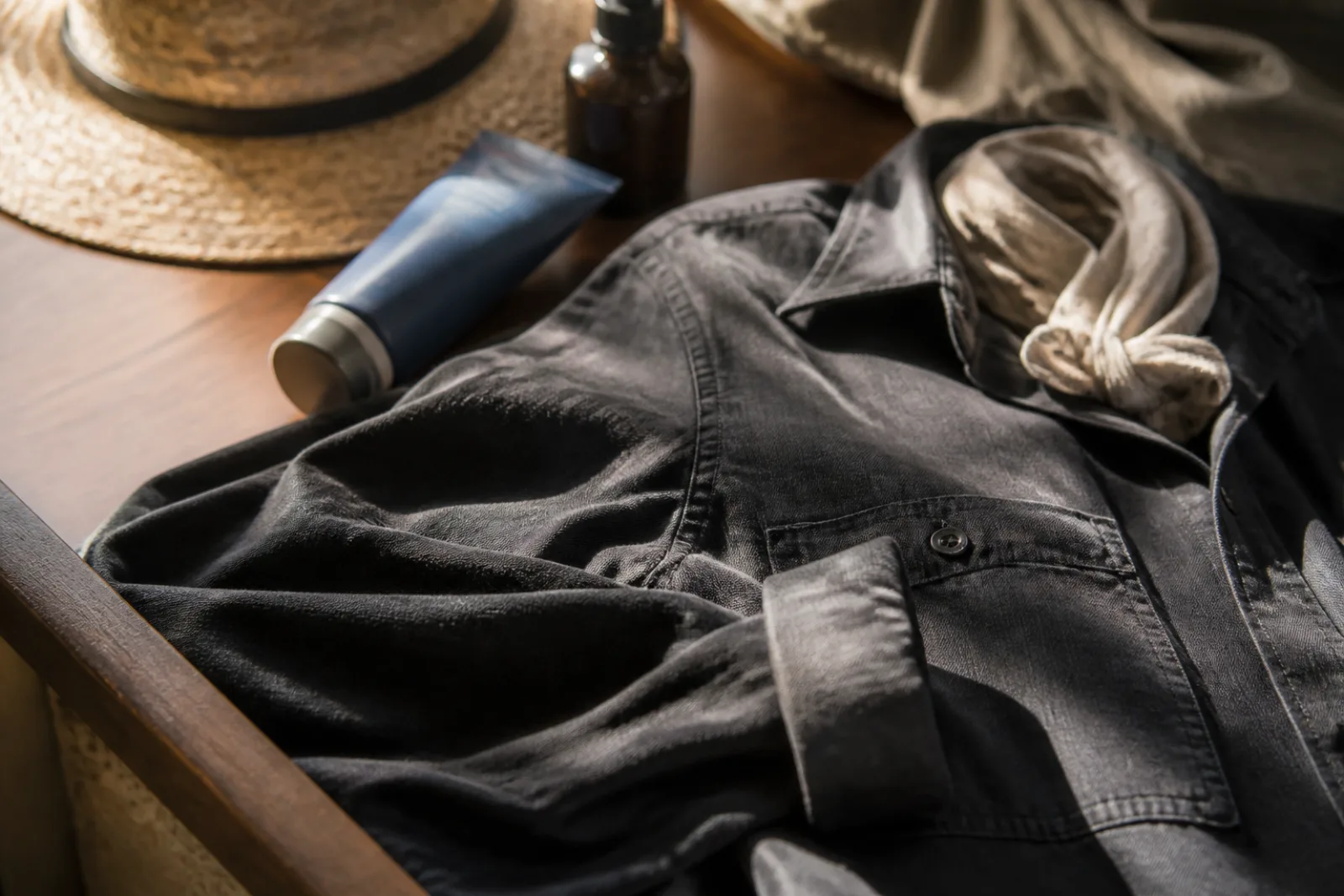
FDA's own sun-protection directions put clothing next to sunscreen: cover what you can, then put broad-spectrum product on the skin that is still out. A shirt is not a reason to skip the face, and sunscreen is not a reason to treat a tank top as shade.
Parfum, eau de parfum, eau de toilette, and cologne describe a real range of fragrance oil concentration, but the ranges overlap between brands and none of it is strictly regulated. The label tells you less than the marketing implies.
Heaviness is usually a film on a fiber that did not need that much film. High-viscosity silicones, butters, and oils stay put. Fine hair notices first. A clarifying wash removes residue. It does not mean silicones 'destroyed' the hair.
6 MIN / Limited
The weekly letter
CULTURE COLUMN in your inbox.
One useful story, a short edit of objects and ideas, and no manufactured urgency.