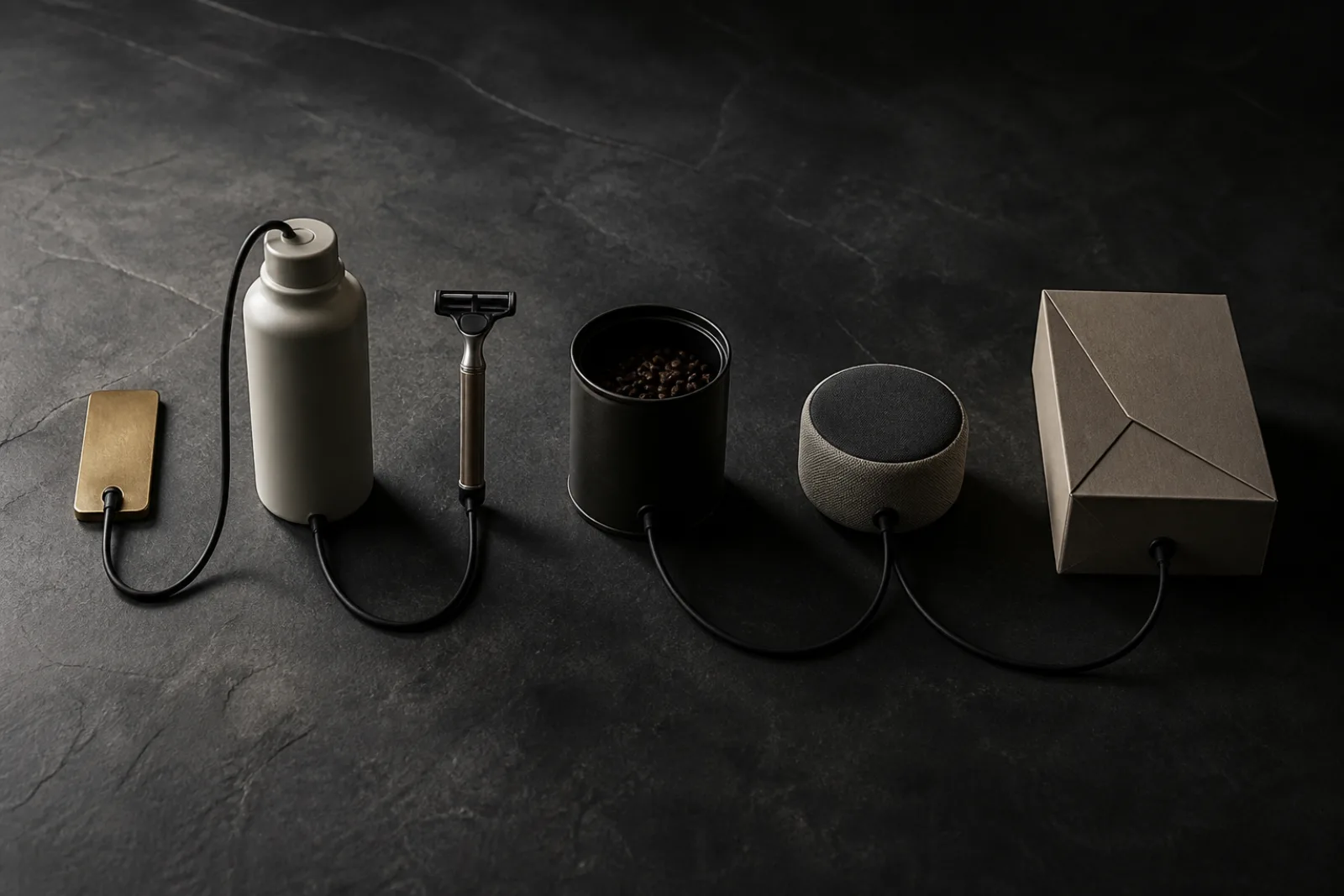
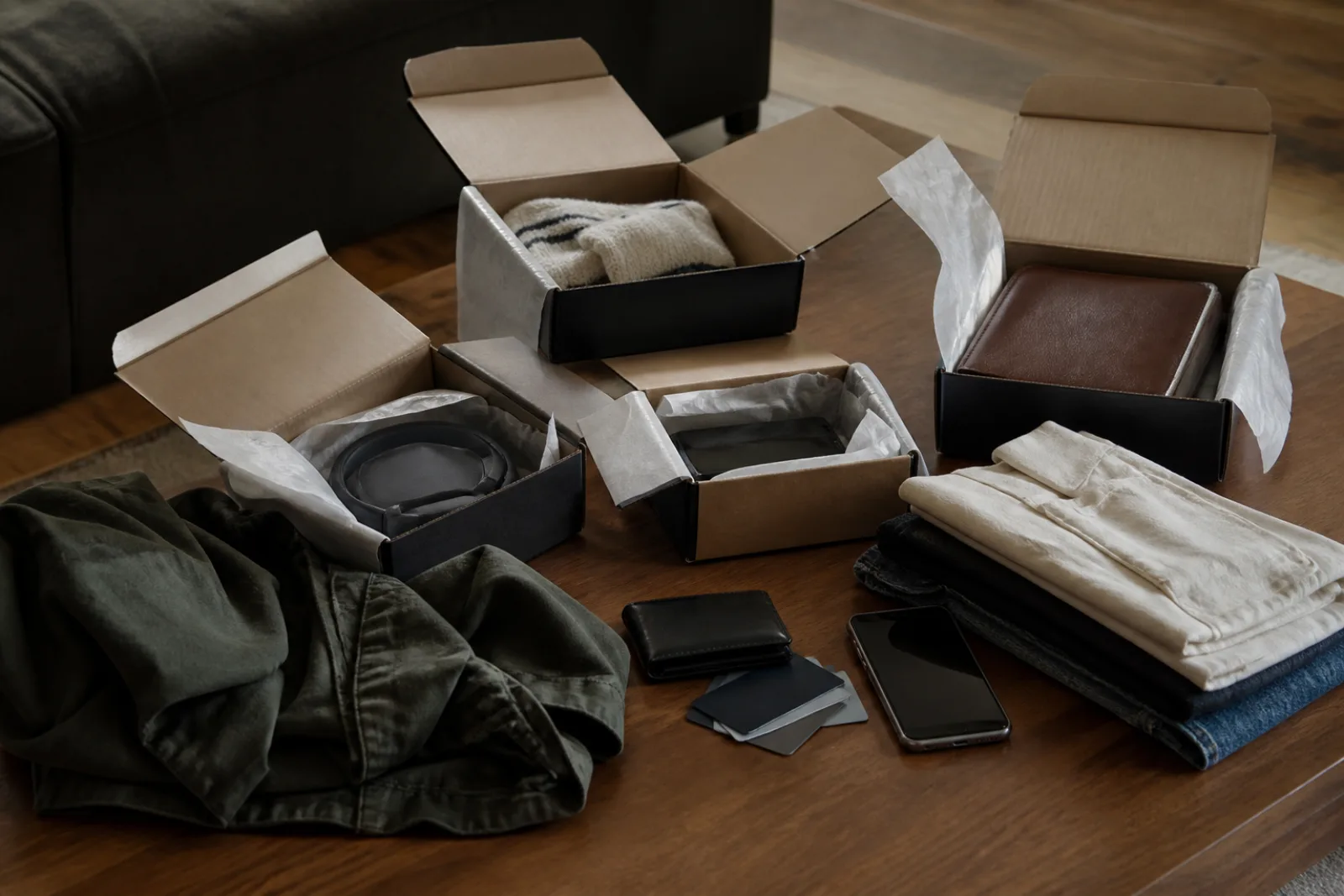
Recurring billing used to be reserved for magazines and gym memberships. Now it is the default checkout option for software, razors, and even cars, and the reason is not consumer preference, it is a decade of favorable investor math meeting deliberately hard-to-leave signup flows.
US disc sales fell below $1 billion in 2024 while streaming took 91 percent of home entertainment. Courts treat many digital purchases as licenses, which is why a Steam game does not resell like a DVD.
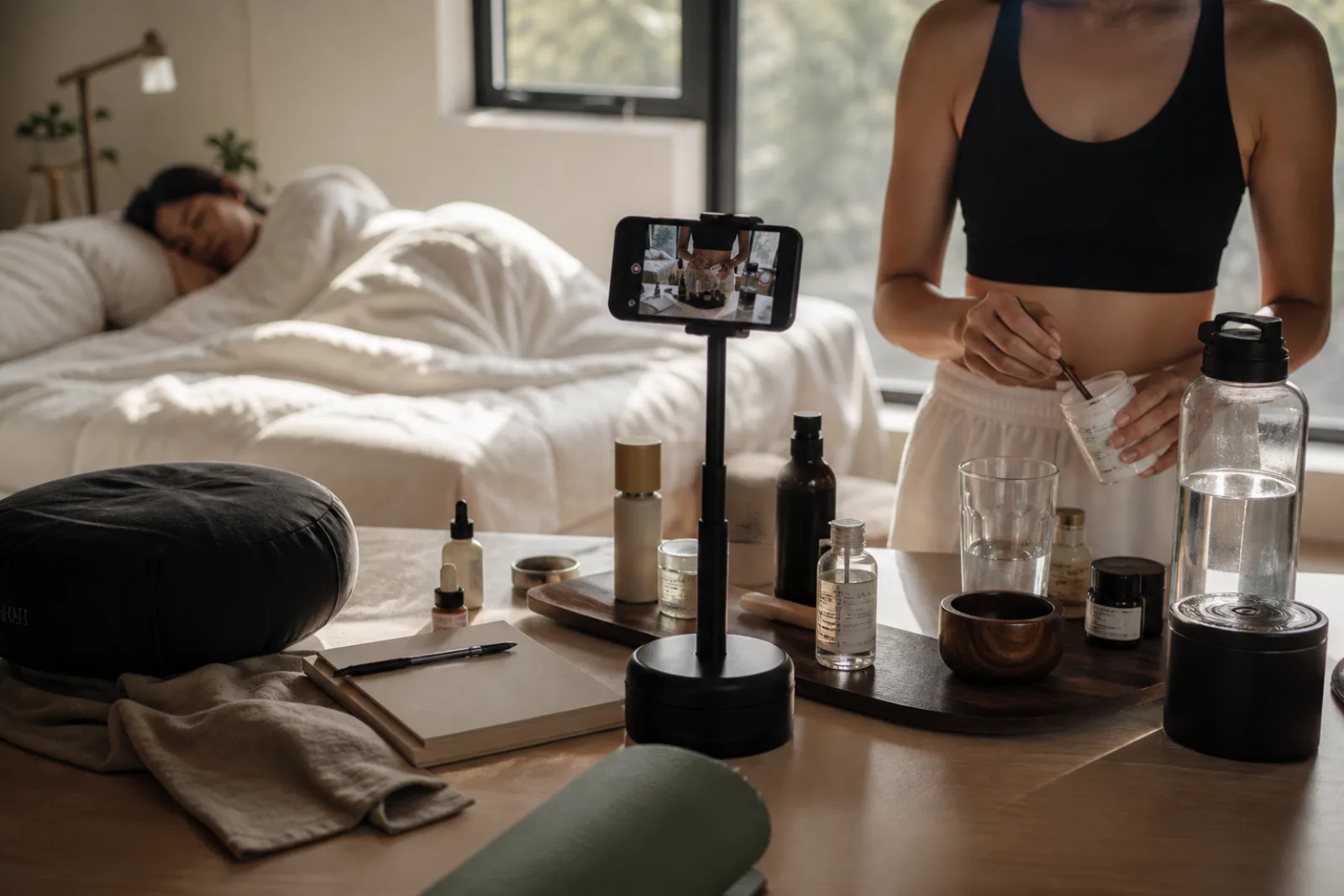
Skincare brands turned the bathroom shelf into free advertising because their products have no visual payoff to film. What followed: a billion-dollar aesthetic, tween shoppers, and dermatologist warnings.
The CFPB found a third of BNPL borrowers use multiple lenders simultaneously, and frequent users carry hundreds of dollars more in other debt. Then the agency withdrew the rule that would have regulated it like a credit card.
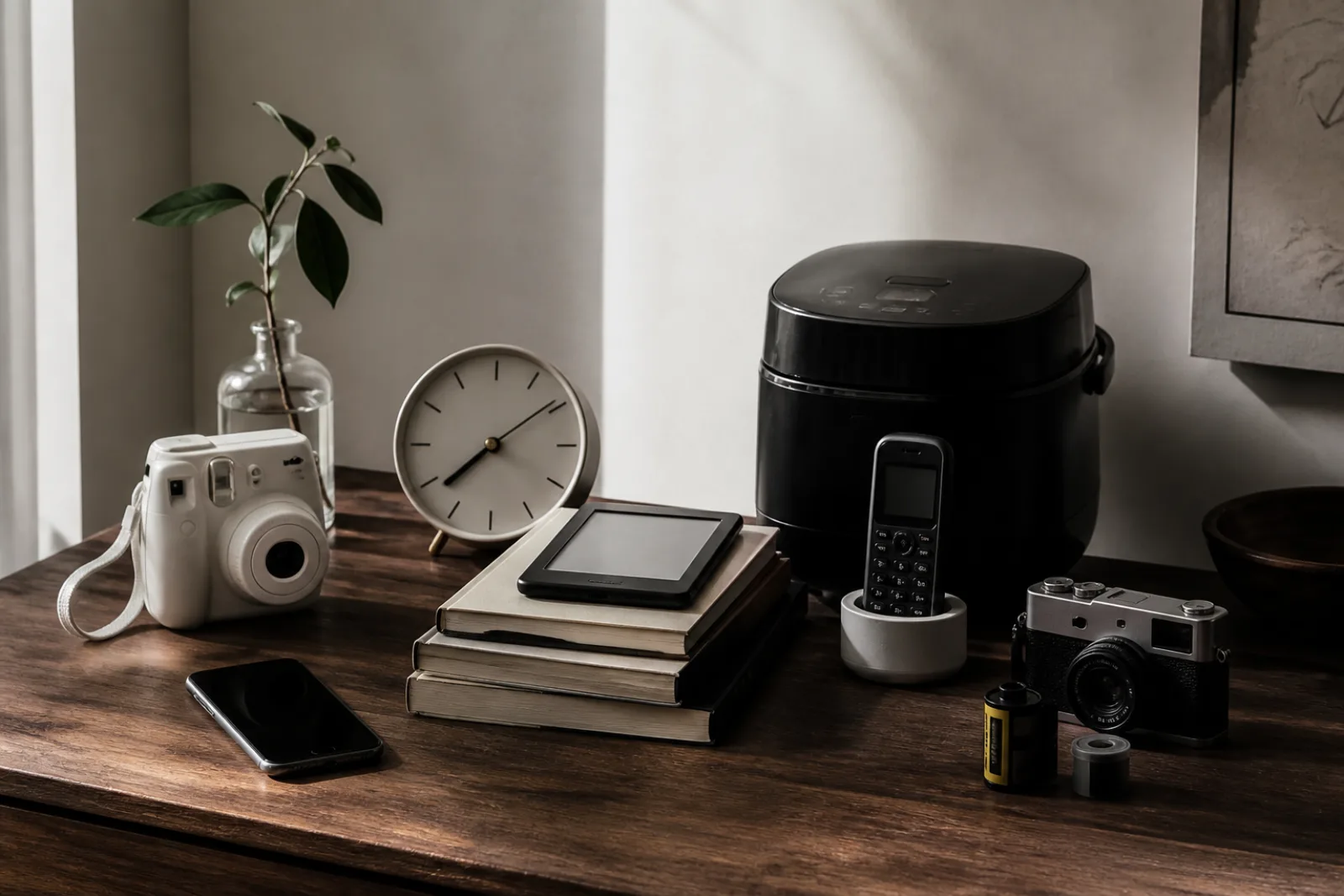
Smartphones went from 35 percent of U.S. adults in 2011 to 91 percent in 2025. Dedicated cameras, clocks, and e-readers did not vanish. A smaller, often premium market formed around objects that refuse extra jobs.
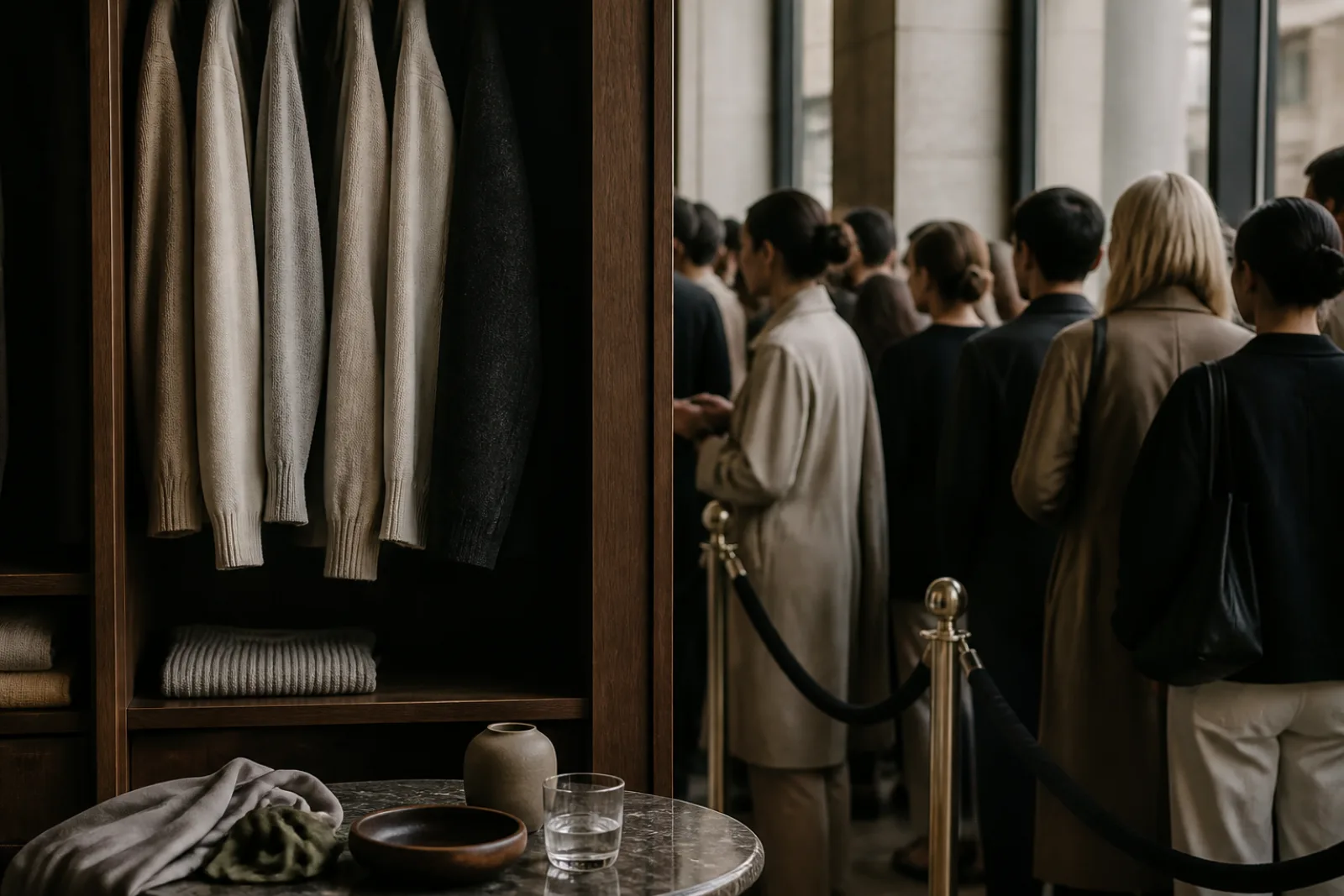
LVMH still called Loro Piana remarkable in 2024 and 2025 while Fashion and Leather Goods shrank. Quiet luxury as a TikTok era had dates. Understatement as a class signal did not begin or end with them.
Phishing, reused passwords, and skipped updates are still the failures. What changed is that households share accounts and devices, so recovery and a shared vault matter as much as any one person's hygiene. CISA's advice scales only if you treat the home as the unit.
Once work moved onto a laptop at the dining table, the desk became something you could film. Desk-tour videos, standing-desk ads, and cable-managed marble slabs turned tools into a public story about taste and output. OSHA's workstation guidance and Cochrane's sit-stand reviews describe a different object: a surface you adjust so your joints stay neutral, not a set you light.
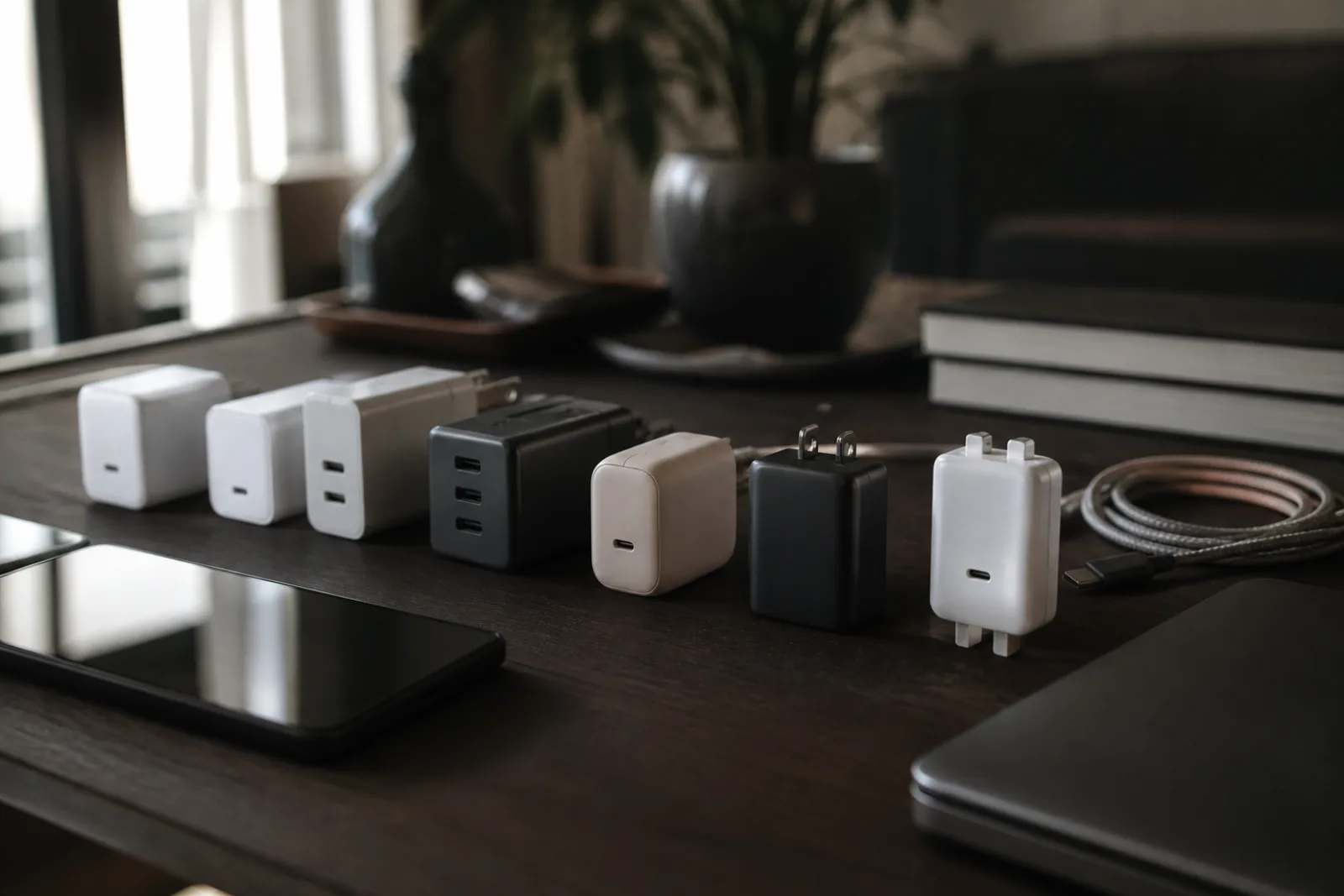
USB-C made every brick look related. USB Power Delivery made wattage a negotiation you cannot see. GaN made the brick small enough to photograph. The $19 Apple adapter and the $80 multi-port object now share a drawer and a social meaning they do not share a test report.
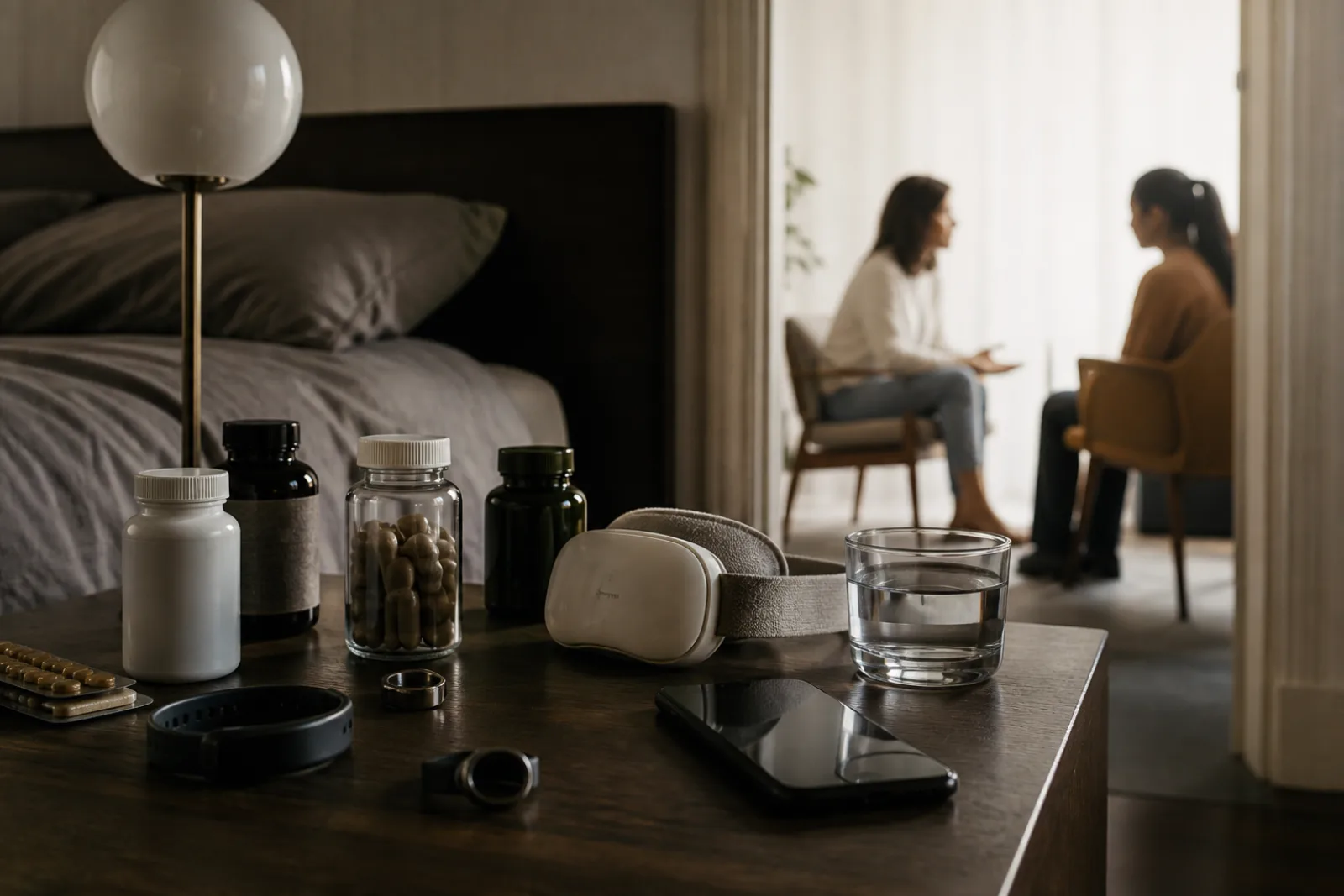
Sleep trackers, supplements, and smart mattresses now make up a market worth tens of billions of dollars, while the share of US adults getting too little sleep has barely moved in a decade. The clinical guideline governing insomnia treatment gives its strongest recommendation to a behavioral therapy with no product attached at all, and specifically says the environmental tips most sleep products sell are not sufficient on their own.
A sleep lab records brain waves, eye movements, and muscle tone overnight. A wrist sensor records pulse and motion, then an app compresses that into a number that looks like a lab result. The number can be stable from night to night without being the same kind of fact.
5am wake-up videos, habit-tracking apps, and sunrise alarm clocks have turned the first hour of the day into a genre of content and a shelf of products. Sleep science says the two things that actually determine how a morning feels, a consistent sleep schedule and timed light exposure, are mostly free and don't film well.
Stanley's Quencher tumbler went from $73 million in sales to more than $800 million in five years, not because Americans got thirstier, but because a scarcity playbook borrowed from sneaker culture turned a $35 cup into something people camp outside Target for and resell at a markup. Here is the mechanism behind the color drops, and what it reveals about what a water bottle is actually for now.
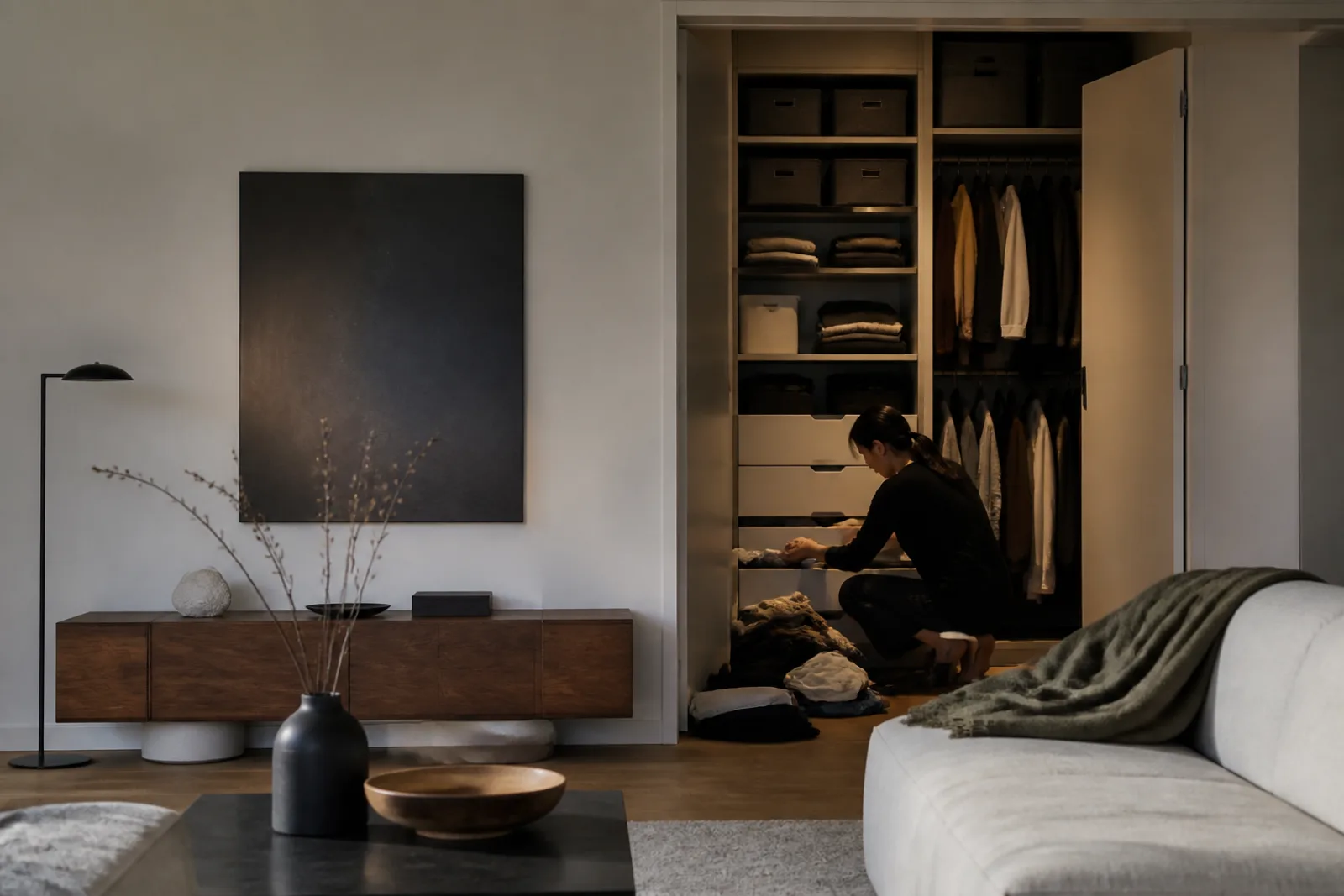
Muted walls, flattened apps, and furniture that swallows clutter are sold as peace. What they usually sell is concealment: a look that lasts only as long as someone puts the mail, the toys, and the charging cables somewhere else. Restraint can be useful. It is not a moral upgrade, and it is not free.
A warehouse club card, a shipping pass, and a software license used to be different kinds of deals. Over the last decade they collapsed into one form: pay first, belong, keep paying. The incentive is lifetime value, not a plot against shoppers.
9 MIN / Strong
The weekly letter
CULTURE COLUMN in your inbox.
One useful story, a short edit of objects and ideas, and no manufactured urgency.