CISA's four habits (multifactor, updates, think before you click, a password manager) only hold if someone in the house can recover the others. Shared streaming logins, one spouse's email as the family reset, and a router nobody else can log into are how a personal checklist fails as infrastructure.
Consumer security advice used to address a single adult and a single PC. Households now share streaming, shopping, school portals, and a router, while attacks still start with phishing and reused passwords. CISA's Shields Up guidance for families repeats four individual habits: multifactor authentication, software updates, skepticism toward links, and a password manager. Those habits become durable only when the household also has shared recovery: a family vault for truly shared logins, private vaults for everything else, a second person who can approve an account recovery, and a written way to reach the password manager if the organizer is unavailable. Fear-based 'lock it all down' messaging that nobody can operate is how people go back to a paper list on the fridge.
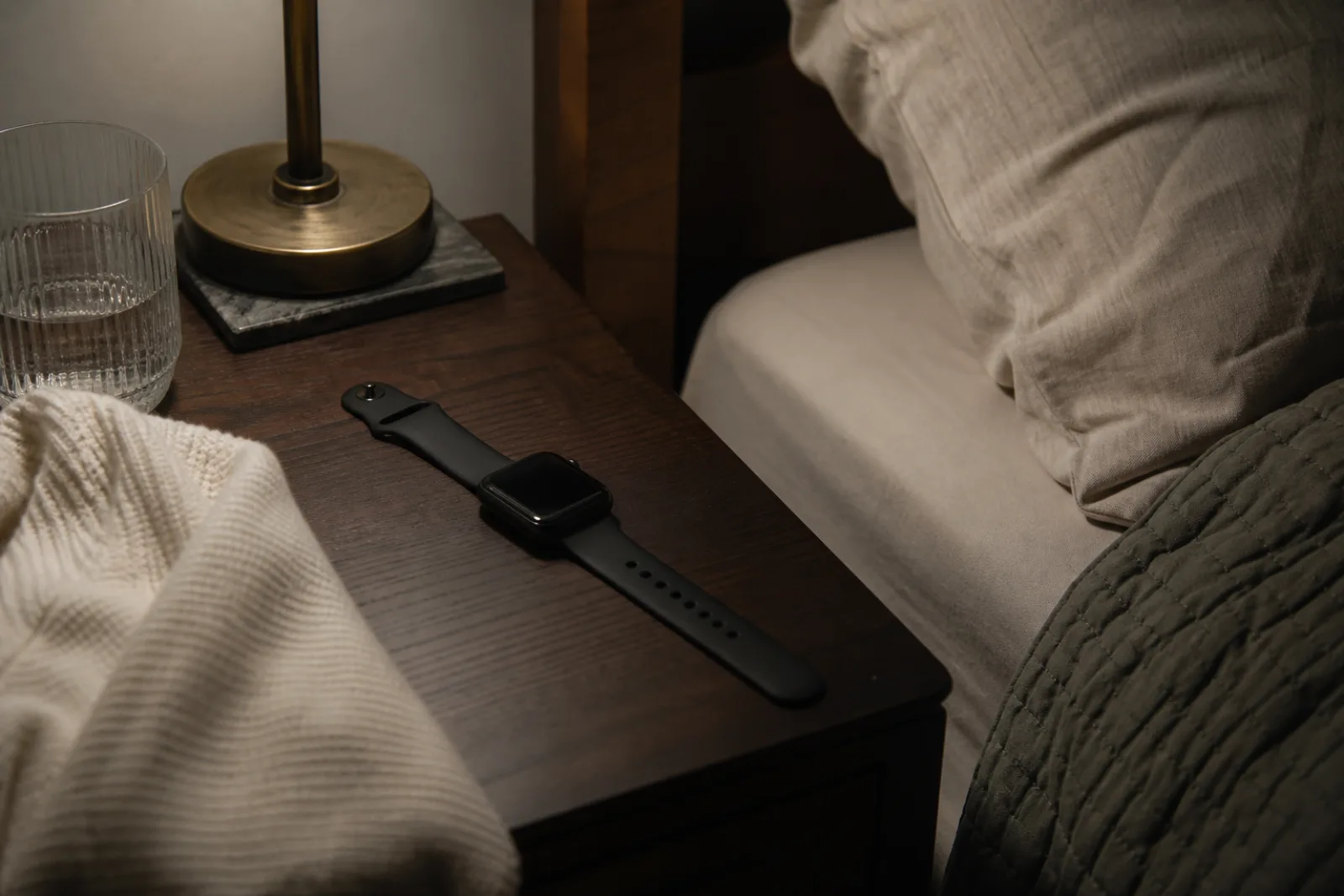
Wearables detect sleep versus wake near 95 percent in lab tests, but stage agreement often falls to the 50s. FDA still treats most scores as wellness, not medicine, so they can look clinical without being cleared.
9 MIN
The weekly letter
CULTURE COLUMN in your inbox.
One useful story, a short edit of objects and ideas, and no manufactured urgency.