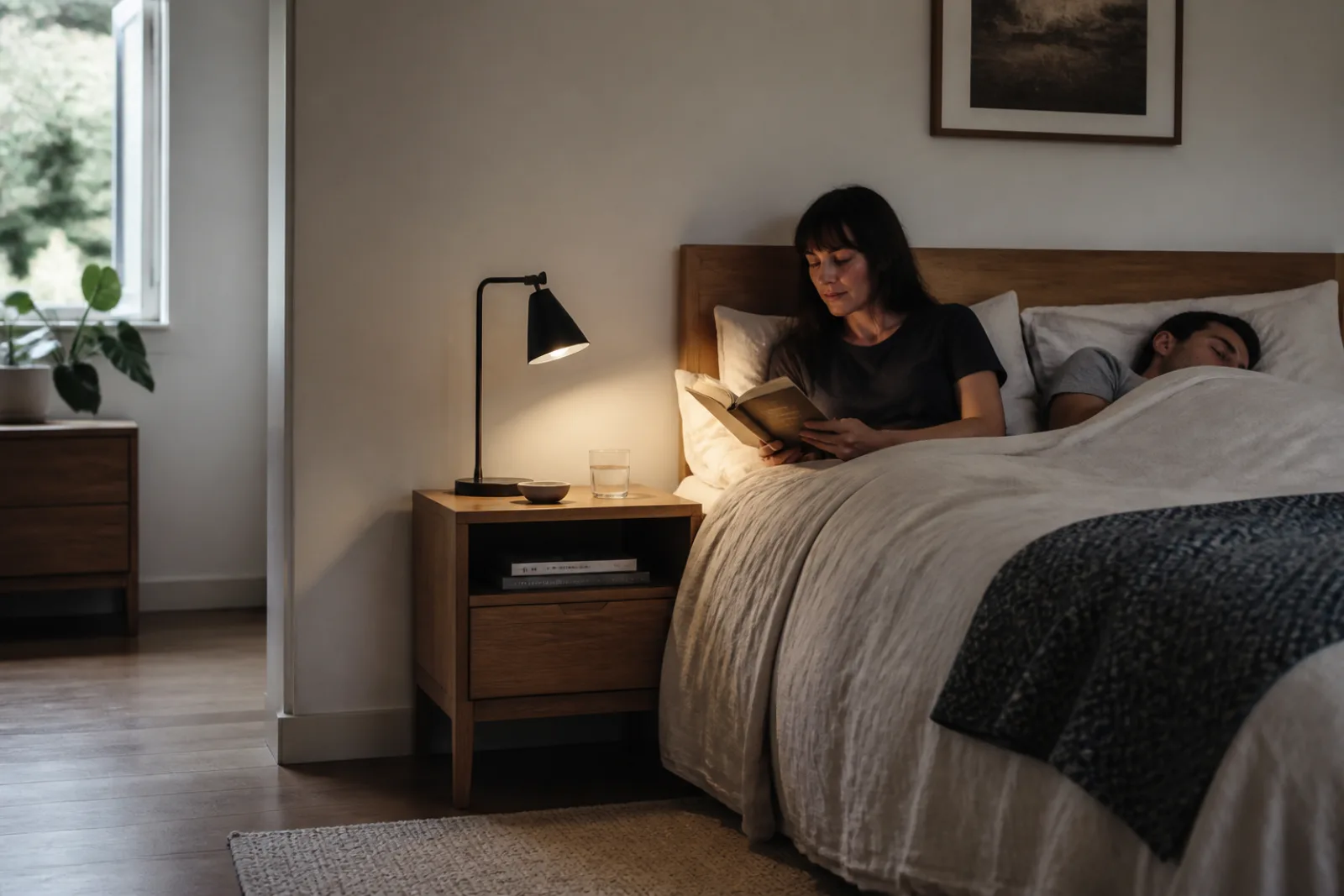
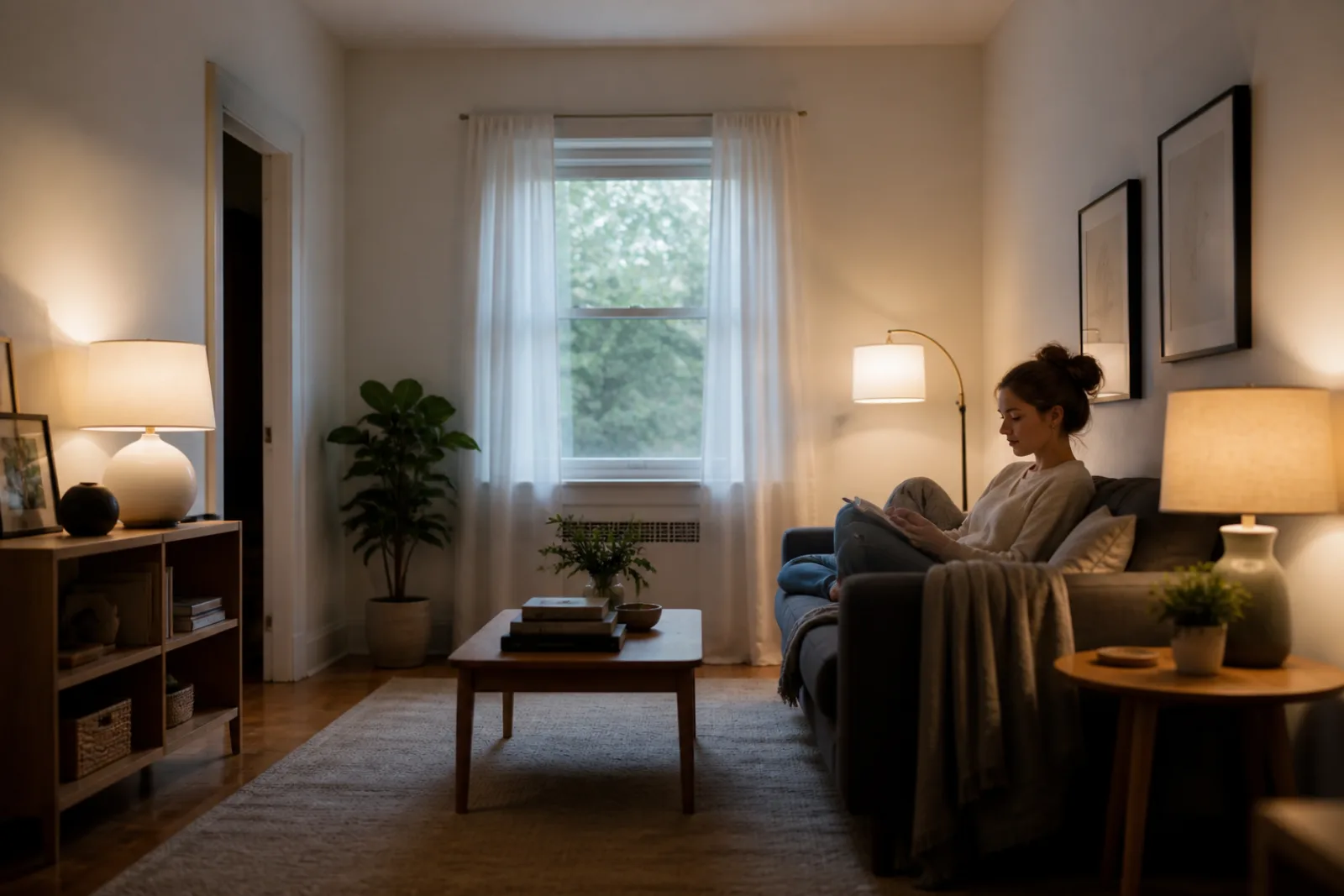
A bedside lamp has three jobs a living-room lamp does not: keep its light off a sleeping partner's face, be findable by feel in the dark, and avoid fighting the body's own signal to wind down. Here is what actually delivers on each.
A bedside lamp succeeds or fails on three specific, checkable properties: whether its shade actually contains the beam to the page instead of the whole room, whether its control can be found and operated by feel in the dark, and whether its color temperature is warm enough not to work against the body's evening melatonin signal. Brightness and style are secondary to all three.
Buy open-stock glasses with a wide, heavy enough base, a rim you can drink from daily, and a shape that fits your dishwasher. Pretty and fragile is fine for the shelf you do not use on a Tuesday.
Measure the window, not the vibe. Low-light plants belong more than eight feet from glass or on a north wall. Check the ASPCA list if you have pets. The EPA is clear: a reasonable number of houseplants do not purify indoor air.
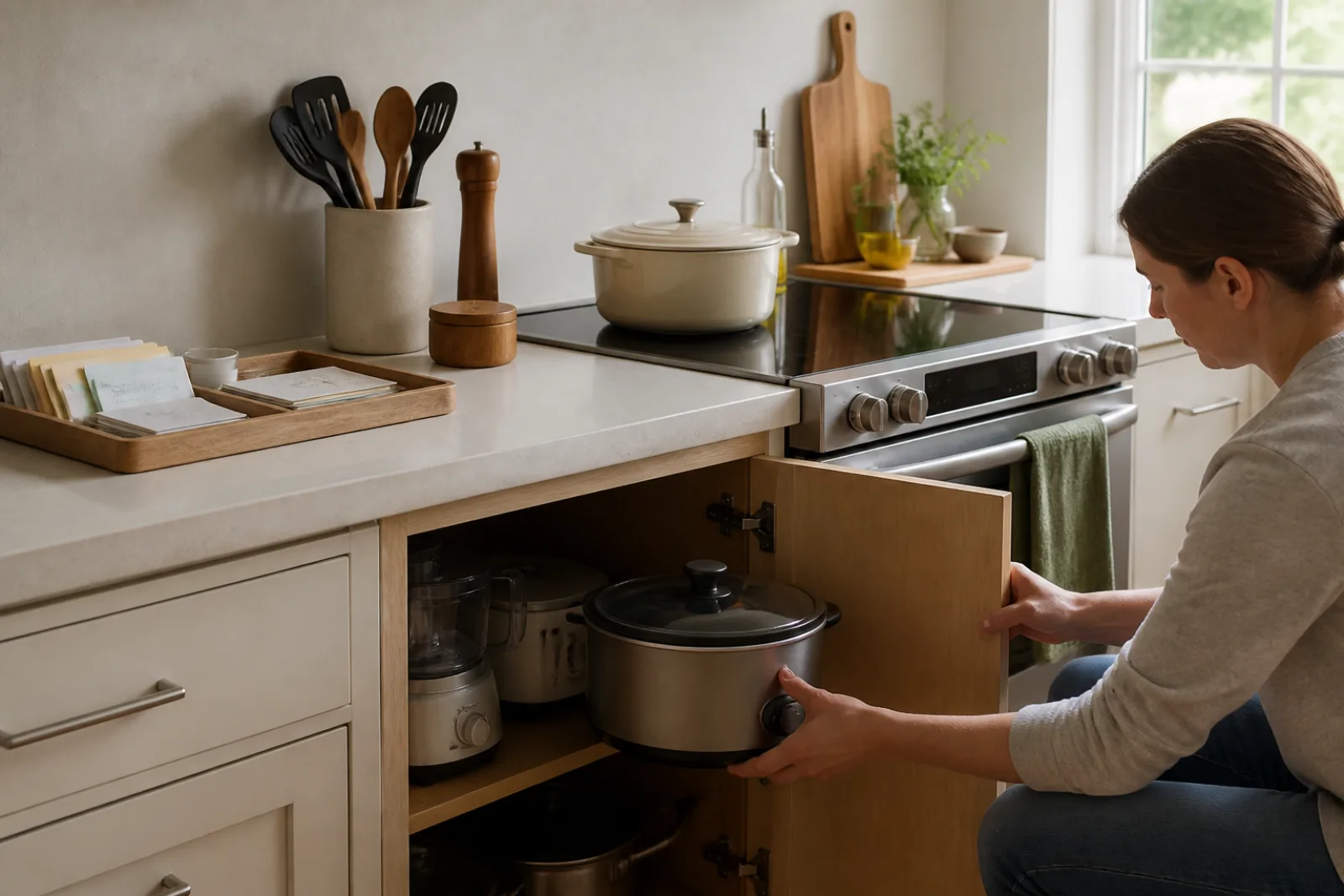
Kitchen counters fill up because they're the easiest flat surface in the house. Sort by frequency of use and protect one clear prep zone, and the clutter stops coming back.
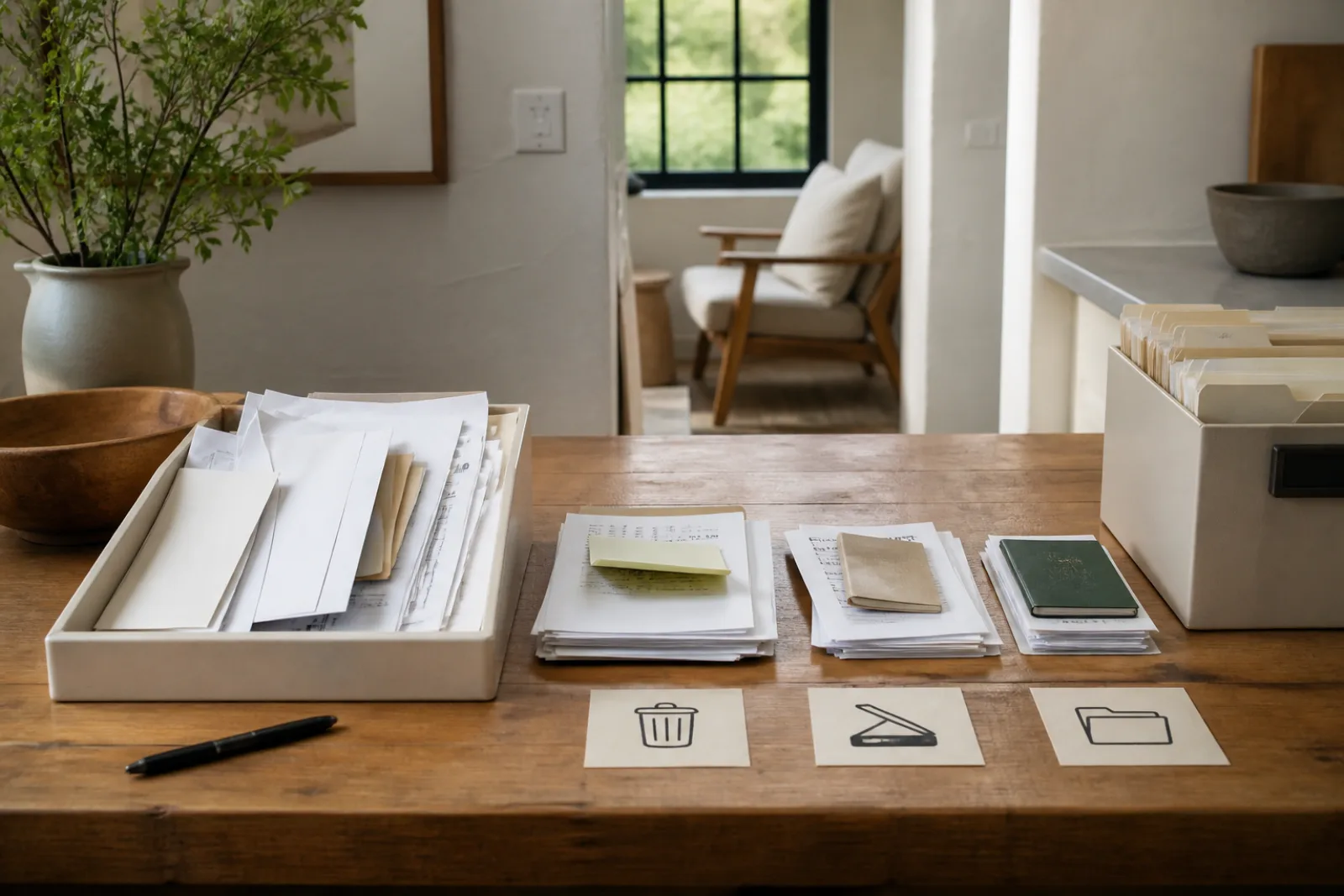
Household paper piles up because there's no single entry point and no decision rule, not because there's too much of it. One tray, one rule, one weekly review fixes most of it.
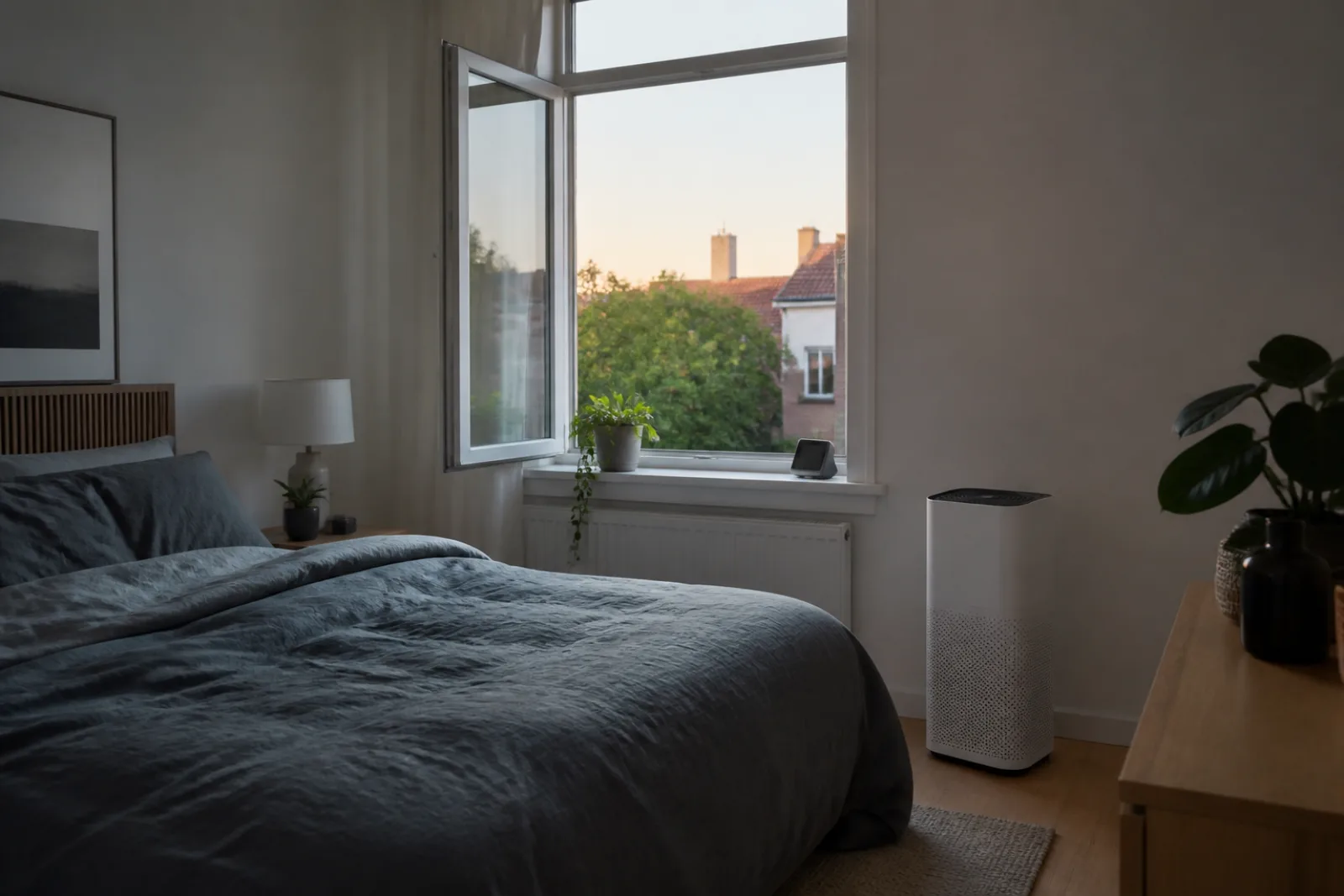
EPA's three-part method for indoor air, source control, ventilation, filtration, applied specifically to a bedroom: a closed room where the same air gets breathed for seven or eight hours straight.
You cannot move the ceiling box. You can add a floor lamp, a task lamp, and the right LED in the existing fixture. Read lumens and Kelvin on the Lighting Facts label, not watts, and point the light at the work.
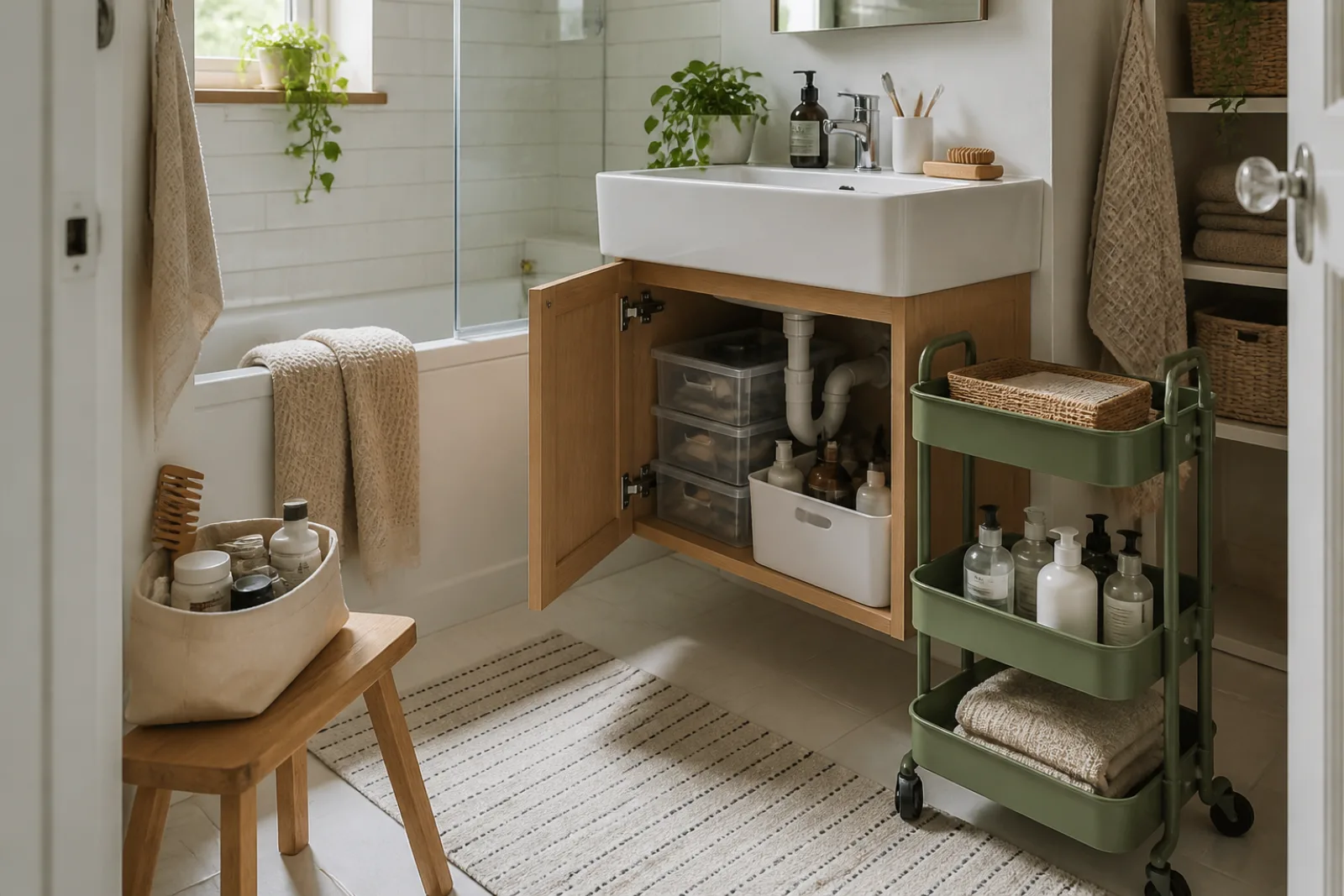
A small bathroom holds two environments in one room: a merely humid sink area and a shower that spikes past 70 percent humidity. Storage should follow that split, not just square footage.
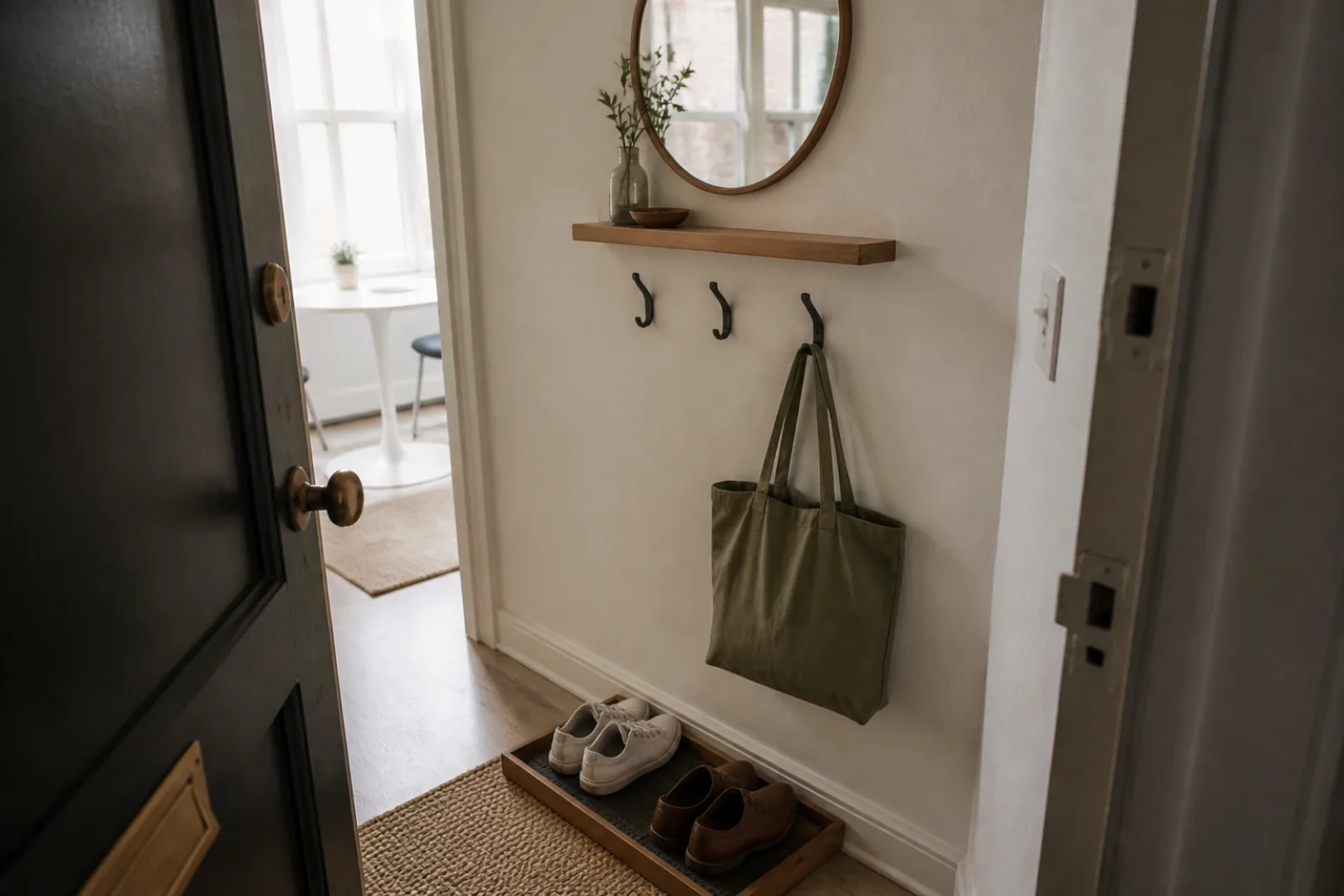
A small entryway fails when one surface tries to do three jobs at once. Split it into a landing spot, closed shoe storage, and an outgoing zone, and even 30 inches of hallway can work.
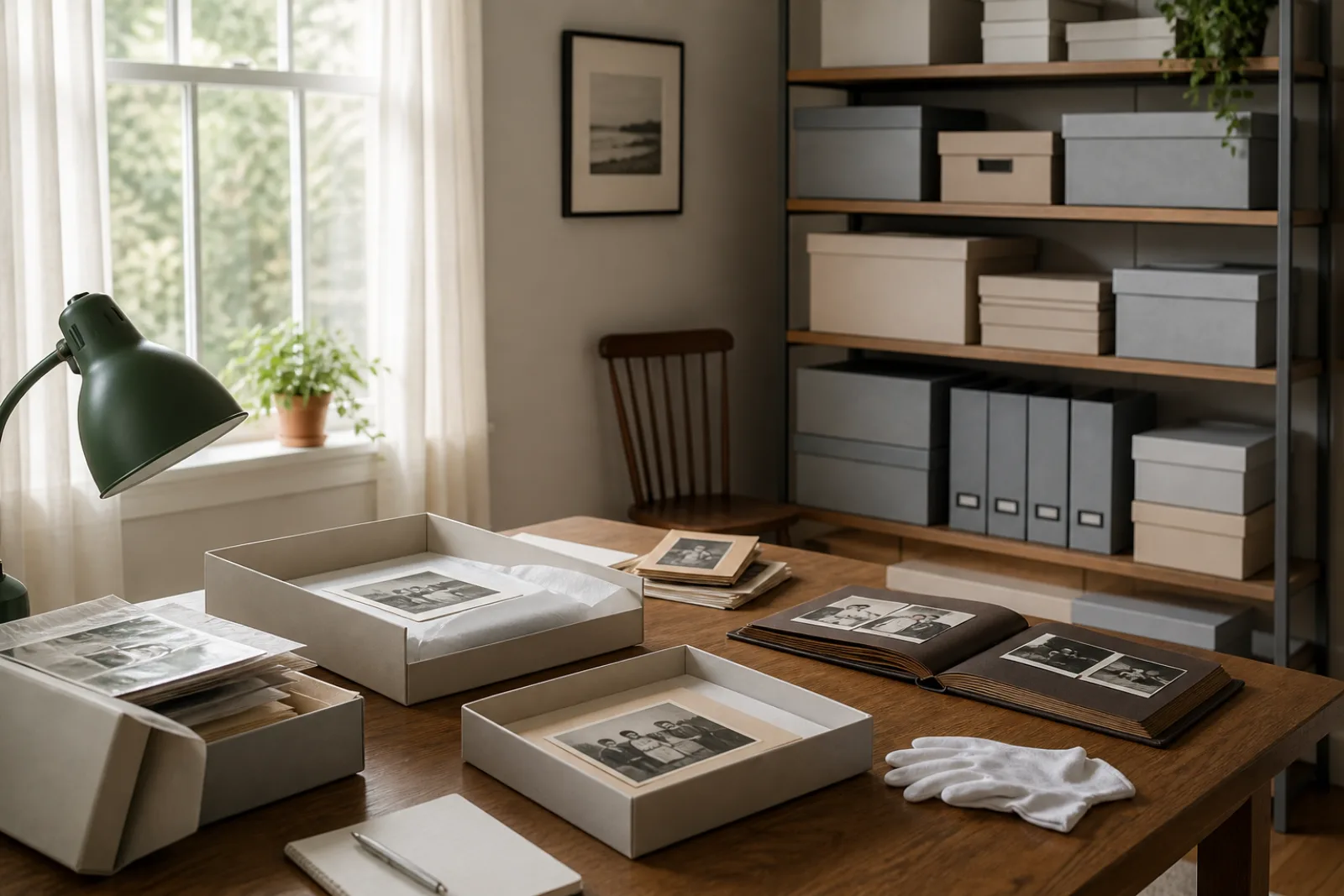
Keep prints cool, dry, and stable; sleeve them in PAT-tested enclosures; never use magnetic albums. Label the sleeve, not the image. Attics and basements are where family photographs go to fade.
7 MIN
The weekly letter
CULTURE COLUMN in your inbox.
One useful story, a short edit of objects and ideas, and no manufactured urgency.