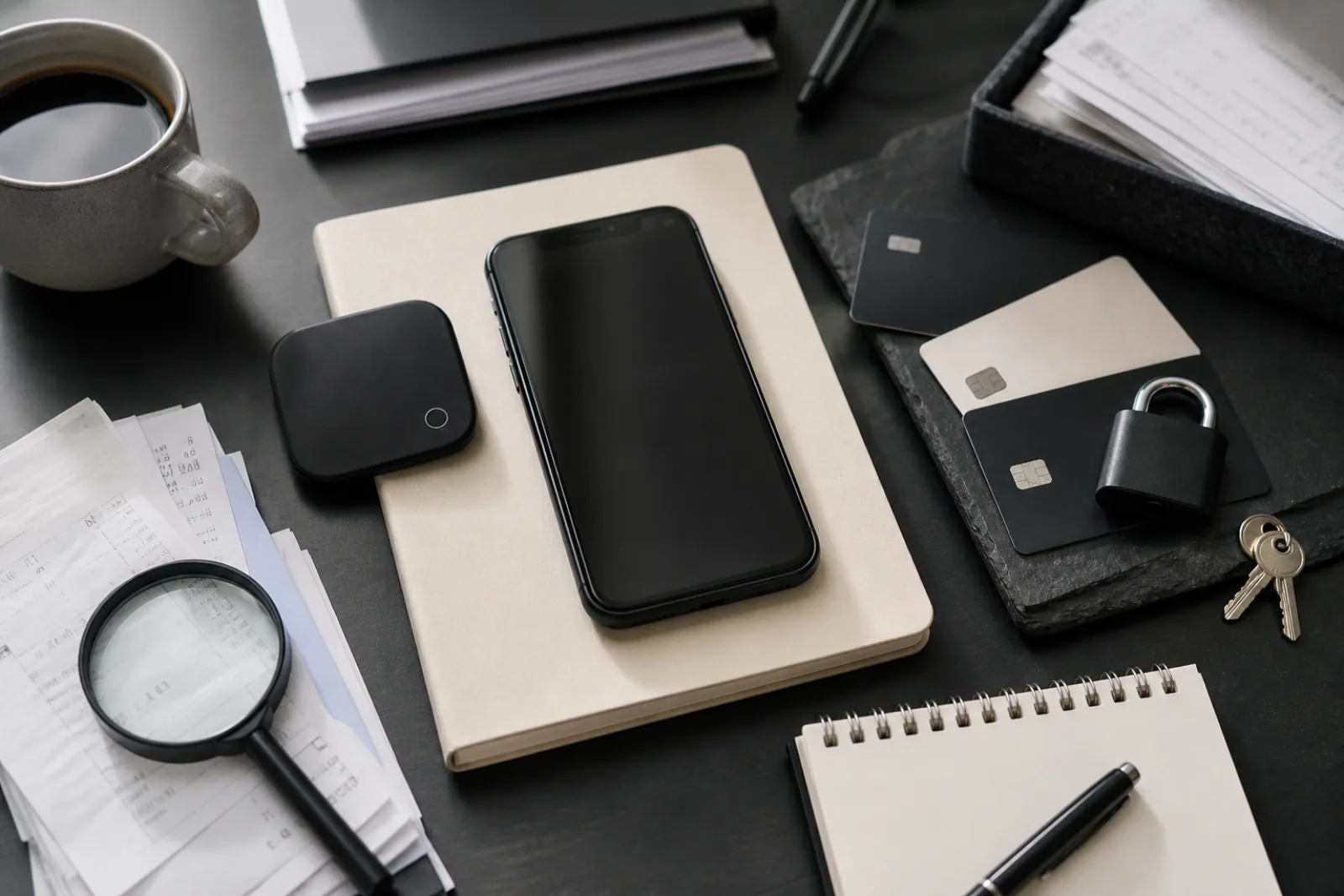
A tracker is a lens on charges you already paid. It cannot cancel every merchant, and it often wants your bank connection or your inbox to do the finding. FTC guidance still starts with the company's cancel path and a saved confirmation. CFPB's 2024 open-banking rule is not a settled, enforceable floor in 2026. If three months of statements already fit in a spreadsheet, you may not need a third party inside the account.
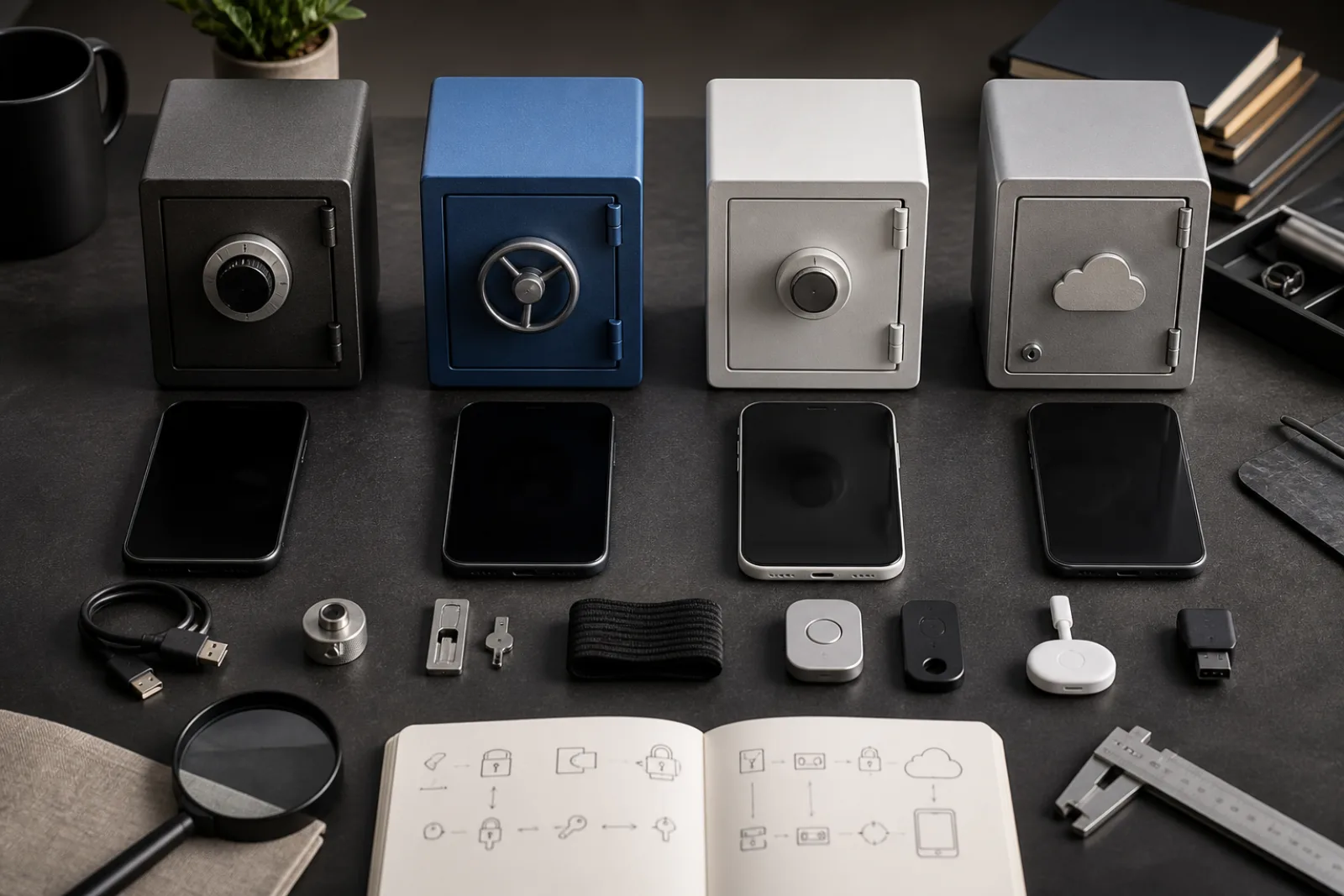
A subscription tracker is useful when you have several cards, several app stores, and a memory that will not hold renewal dates. It is a detector, not a cancel button. The FTC's consumer advice is still: follow the company's cancel instructions, watch the next statements, dispute unauthorized charges with the card issuer, and keep records. ROSCA still requires a simple way to stop an online recurring charge you agreed to. The app cannot promise that every merchant complies. Bank-connect products typically use a data aggregator. That is a real privacy trade: a third party sees transactions. Email scanners see receipts and miss silent charges. Manual entry is the audit you can already do. CFPB's Personal Financial Data Rights rule (section 1033) had its compliance dates stayed in court in October 2025, and the Bureau is reconsidering the rule. Do not buy a tracker because you think federal open banking currently guarantees free, regulated API access. How to audit digital subscriptions is the statement-first method. How to compare recurring subscriptions is the before-you-click checklist. This page is whether a standing app is worth the access it demands.
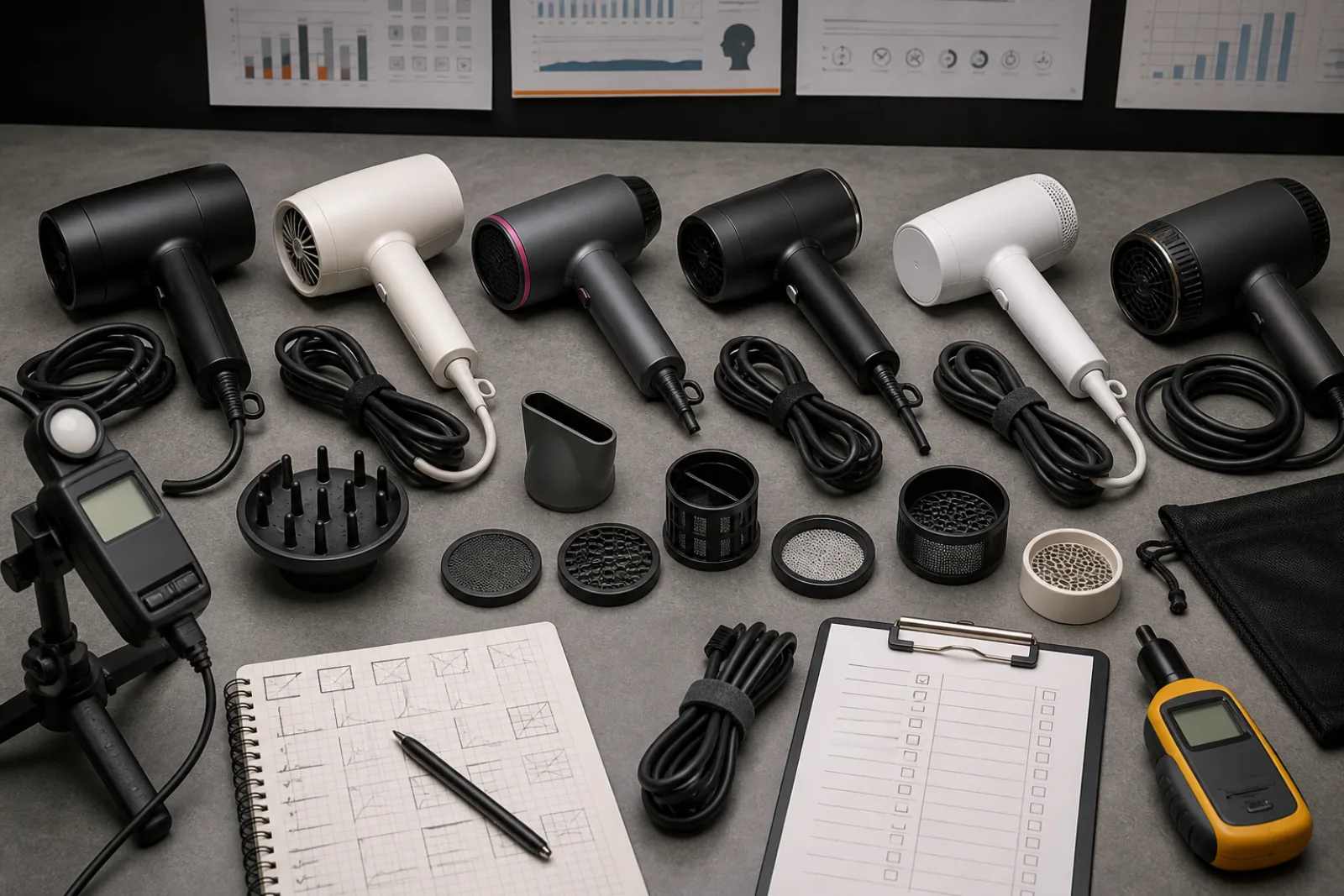
Wattage on a U.S. dryer is a 15-amp circuit ceiling, not a heat rating. Look for independent heat and speed, a cleanable intake filter, a concentrator that stays on, and a plug with immersion protection.
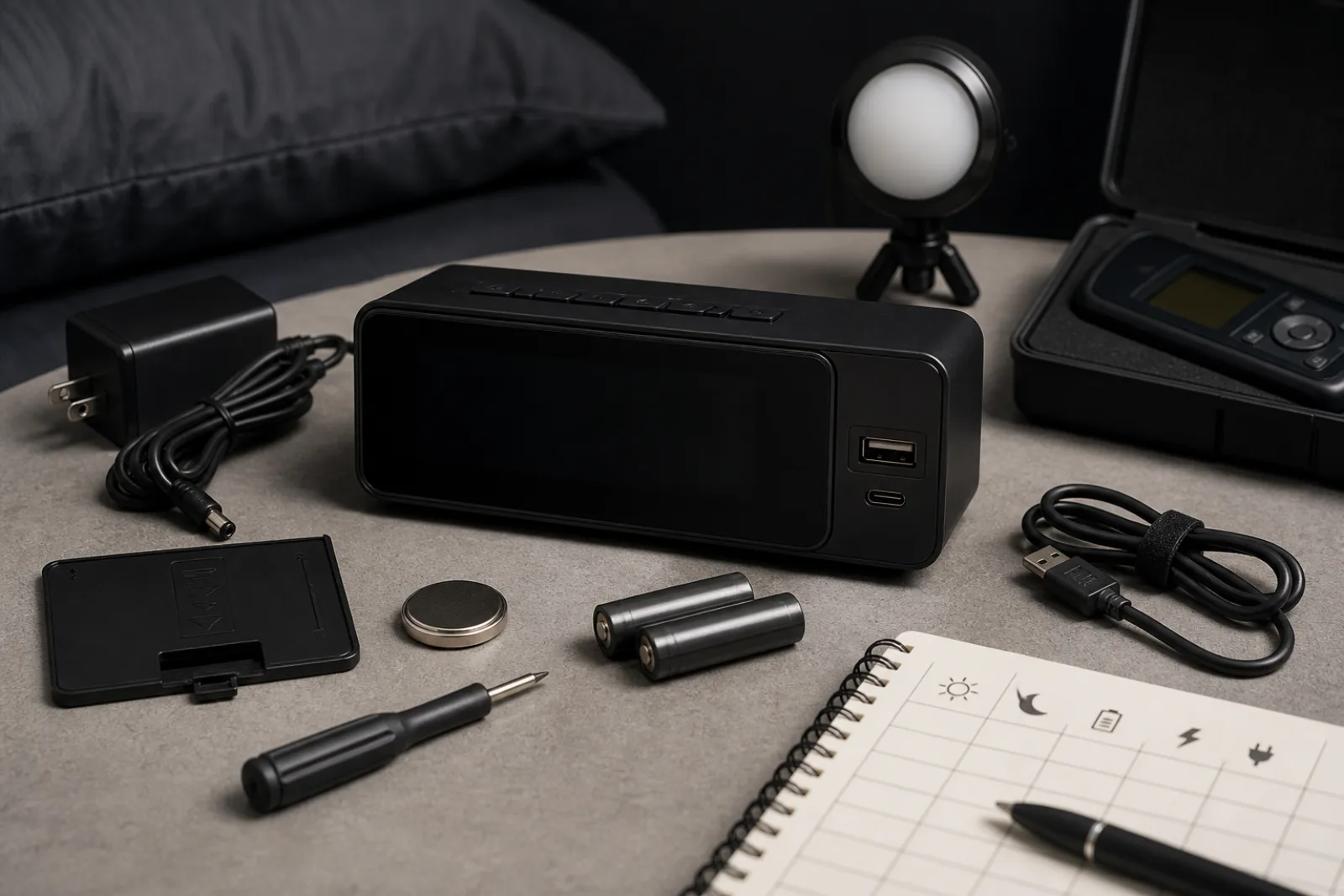
Buy a digital alarm clock for a dimmer that reaches off, backup behavior that is printed in the manual, and physical buttons you can find in the dark. Treat USB charging ports as a separate part that may fail first.
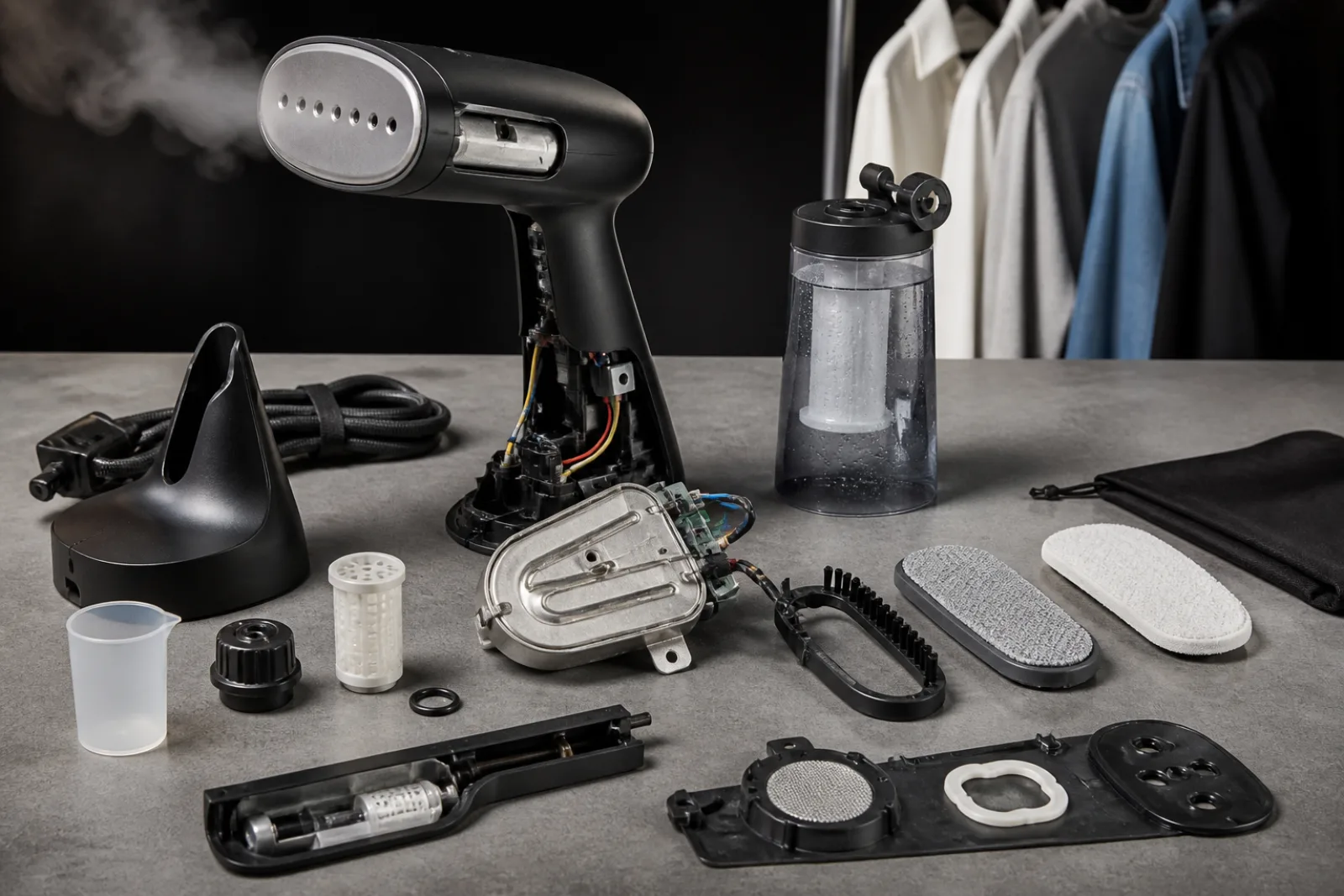
Choose a garment steamer by heat-up and refill design, cord and hose control, and a rest position that keeps the hot plate off the cloth. Steam-rate claims do not capture spitting, scaling, or fabric handling.
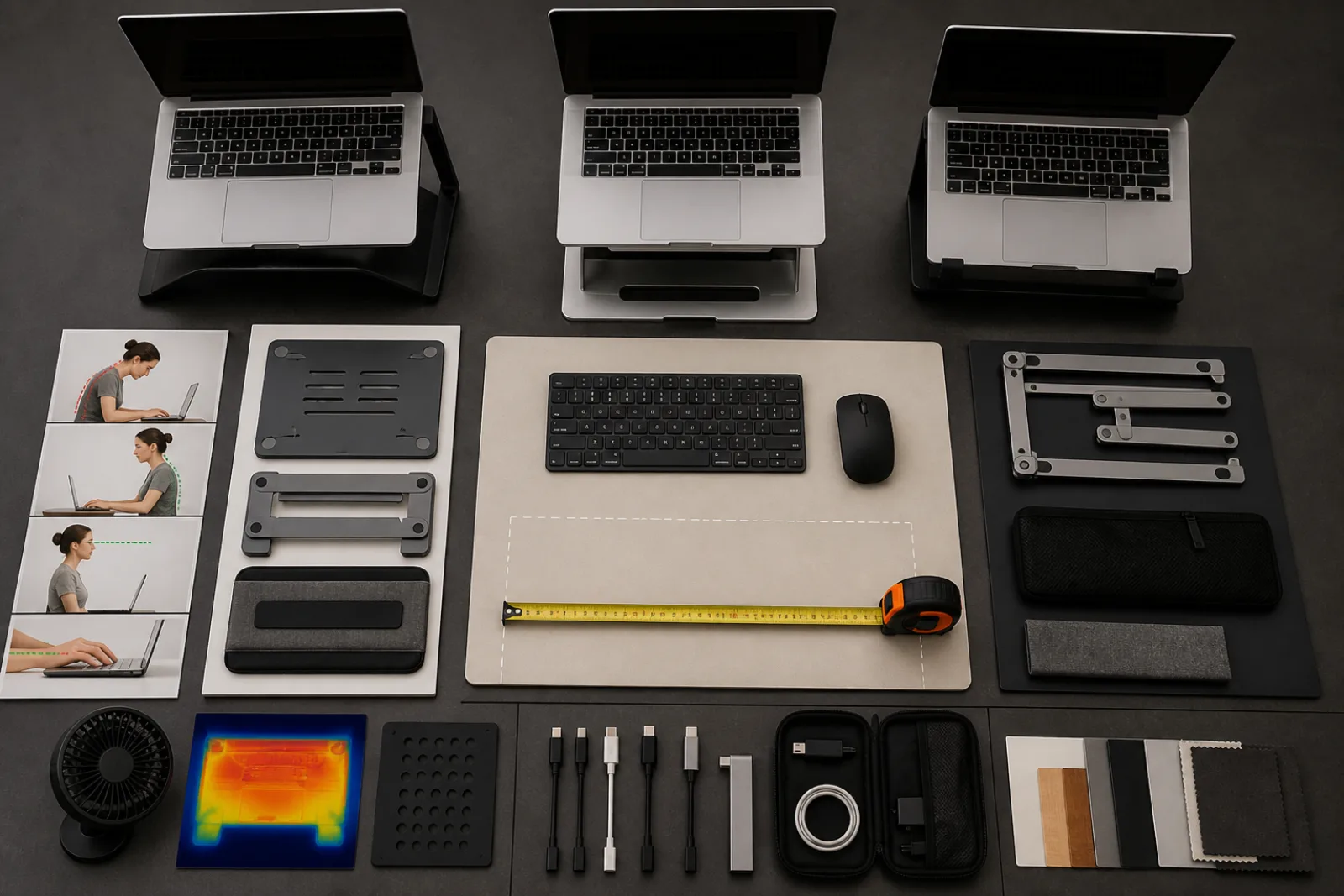
Choose a laptop stand for screen height, stability, and clearance for an external keyboard. OSHA wants laptops used as primary computers set up like desktops. A stand without a keyboard moves strain from the neck to the shoulders.
USB 3.2 and USB4 names describe signaling rates, not NVMe speed. Match the host port and cable, treat peak sequential claims as a ceiling, and keep a second copy off the same drive.
A refillable razor is either a proprietary cartridge handle or a double-edge safety razor. Cartridges lock refills to one brand. DE blades are an open size. TSA allows disposables in carry-on; safety-razor blades go in checked bags.
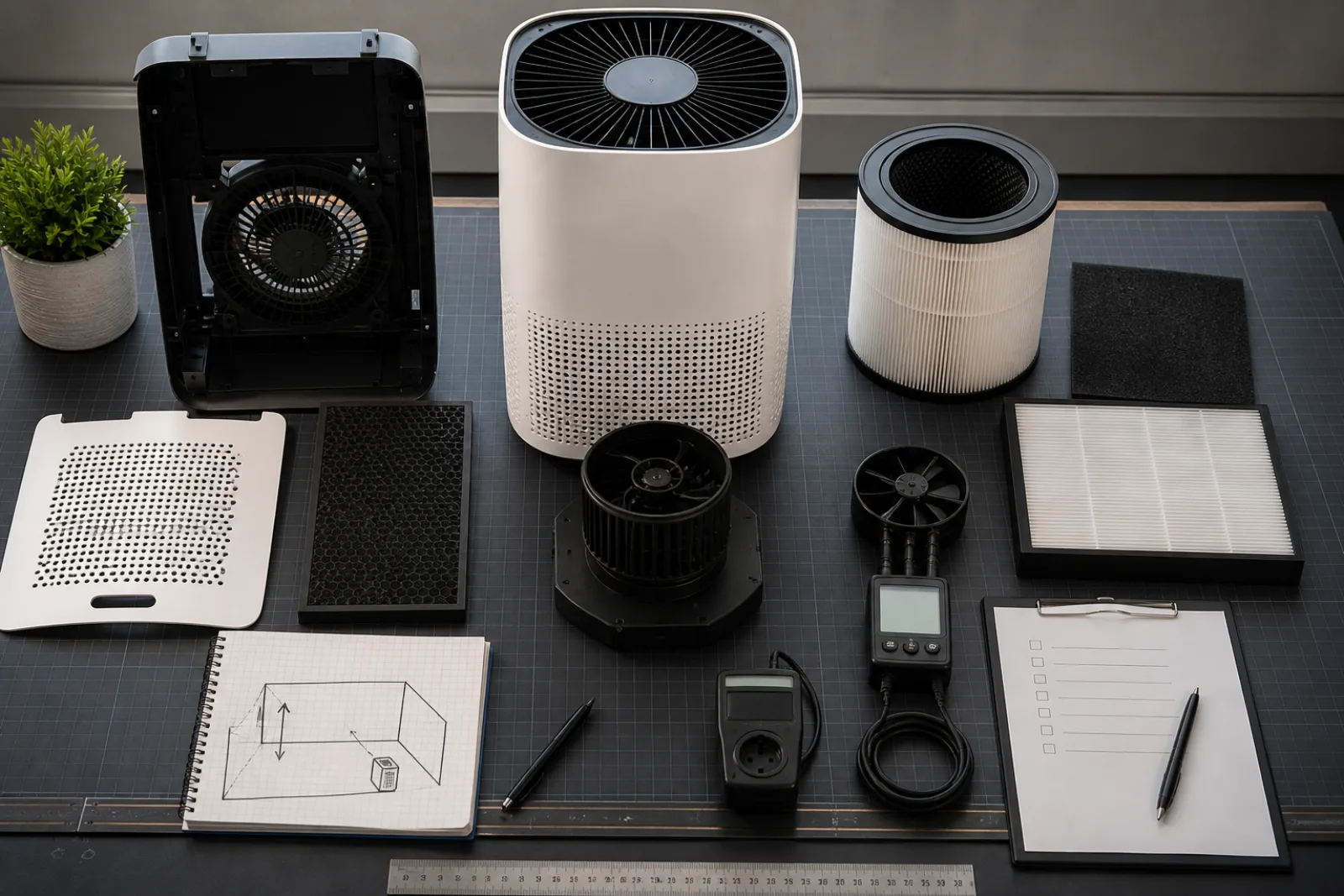
An air cleaner's CADR rating, not its filter type or wattage, is what determines whether it can actually clear your room. The two-thirds rule turns that number into a real room-size match.
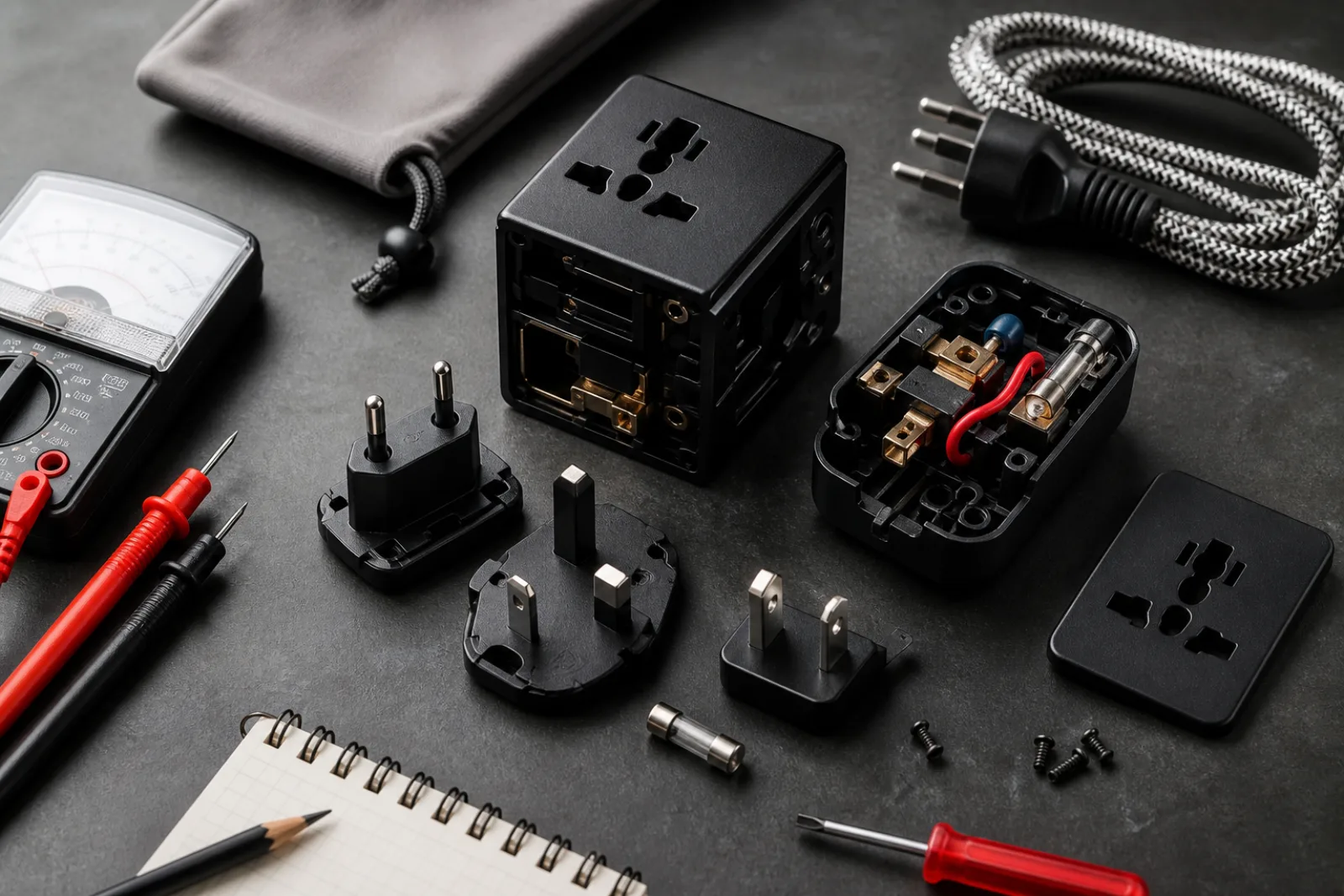
The plastic adapter in your travel kit does one job: change the pin shape. Voltage, grounding, and fuse protection are separate problems, and kits marketed as universal quietly skip at least one of them.
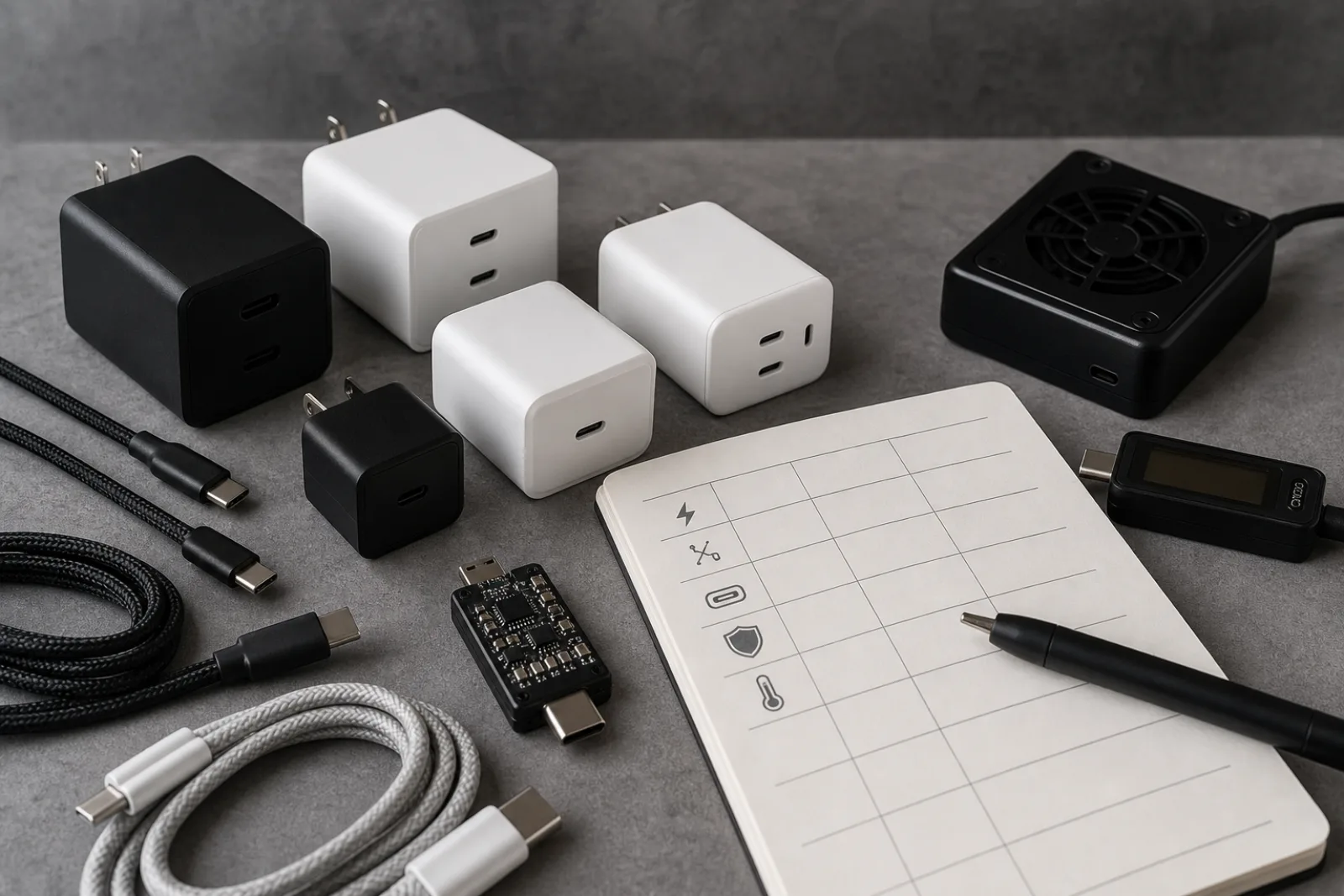
A charger's wattage number often describes total output shared across every port, not what any single port delivers. Here is how Power Delivery profiles, cable ratings, and safety certification actually work.
Buy an analog alarm clock for a quiet sweep or an honest tick, a high-contrast face with lume or a button light, and an alarm hand you can set by feel. A quieter clock does not treat persistent sleep trouble.
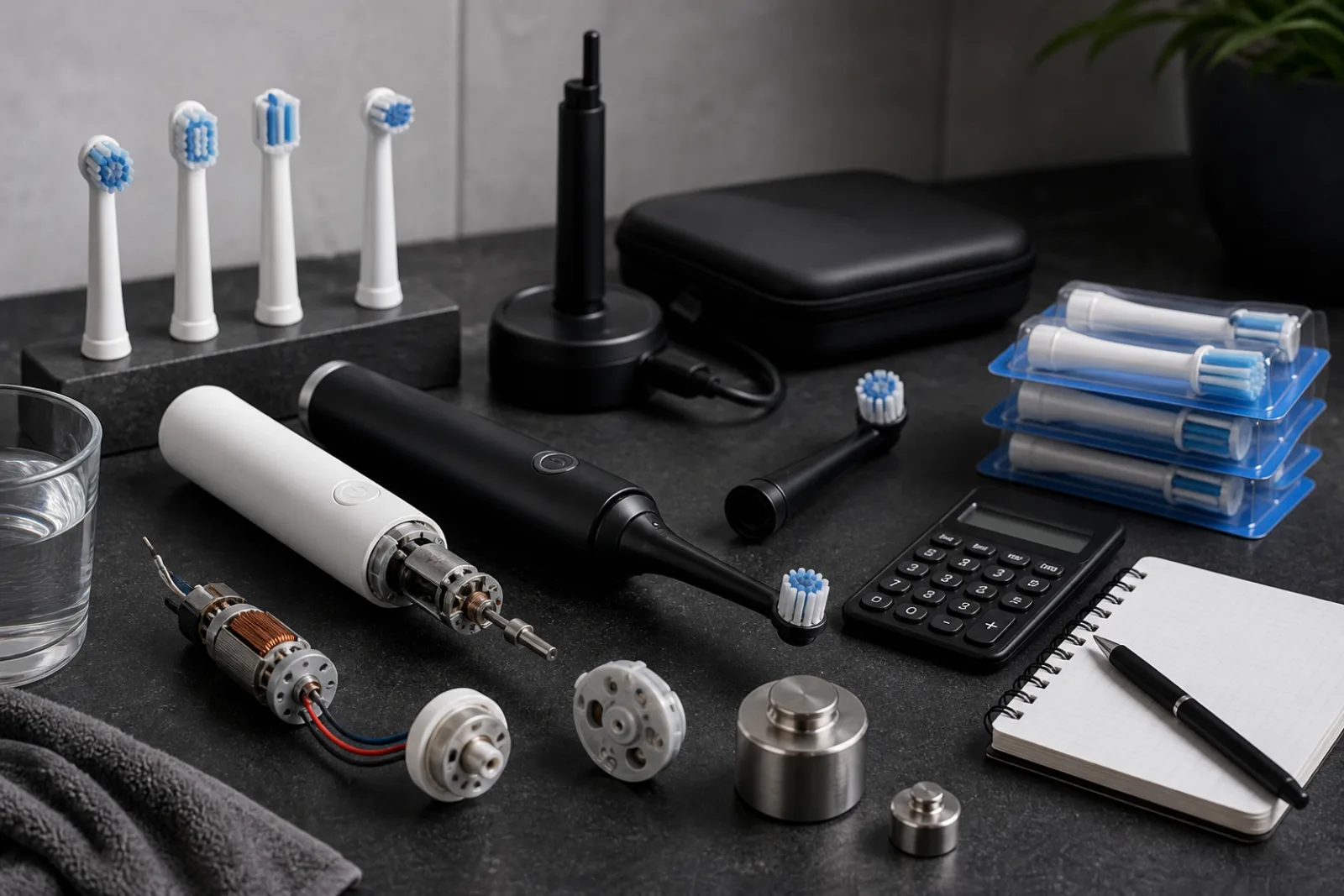
Oscillating-rotating and sonic brushes are different mechanisms, not a brand war. Look for the ADA Seal, a pressure warning, and replacement heads you can still buy in three years.
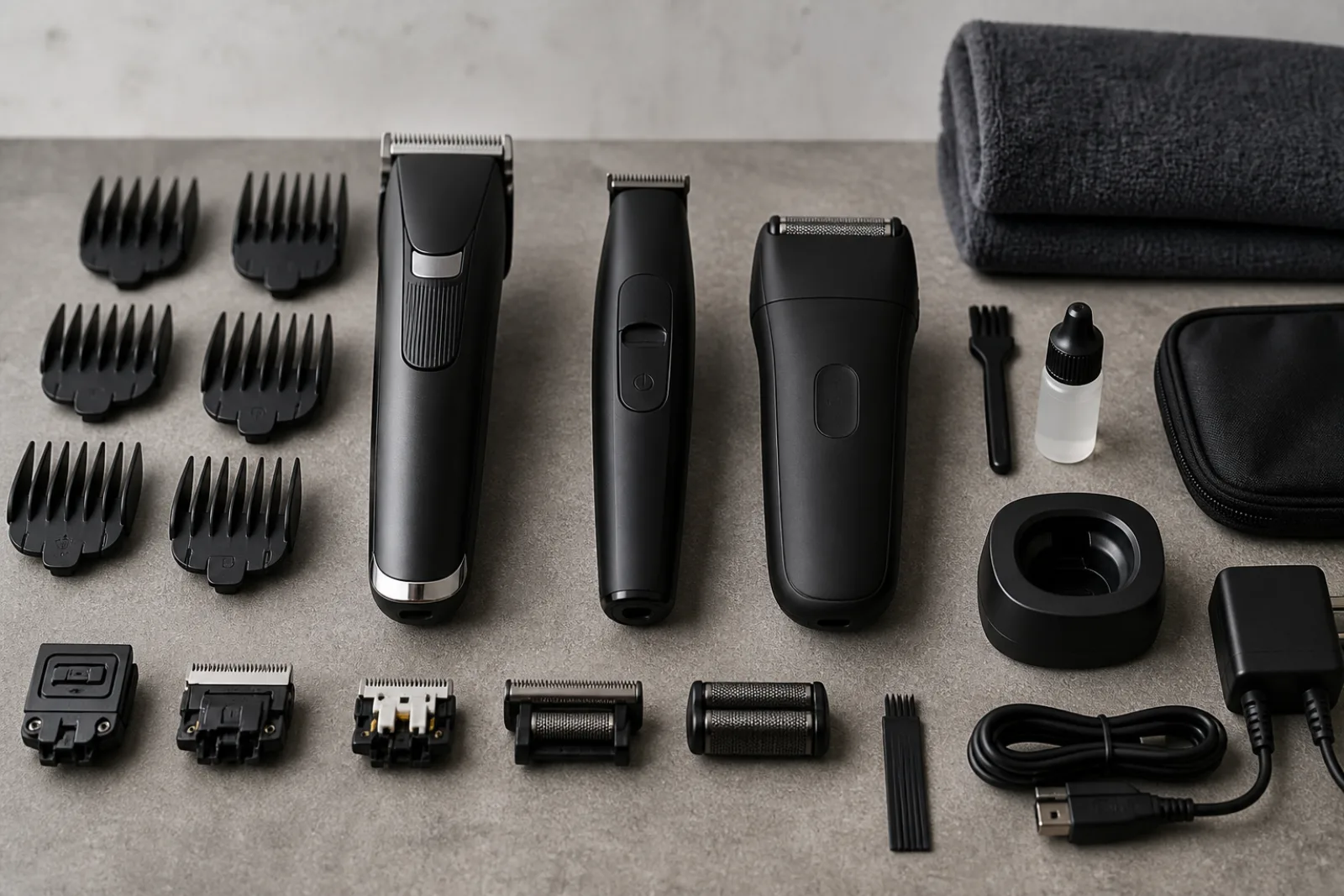
Clippers, beard trimmers, and foil or rotary shavers cut differently. Buy the cutting system you can oil or replace, guards that lock in known increments, and a power setup that will not strand you mid-cut.
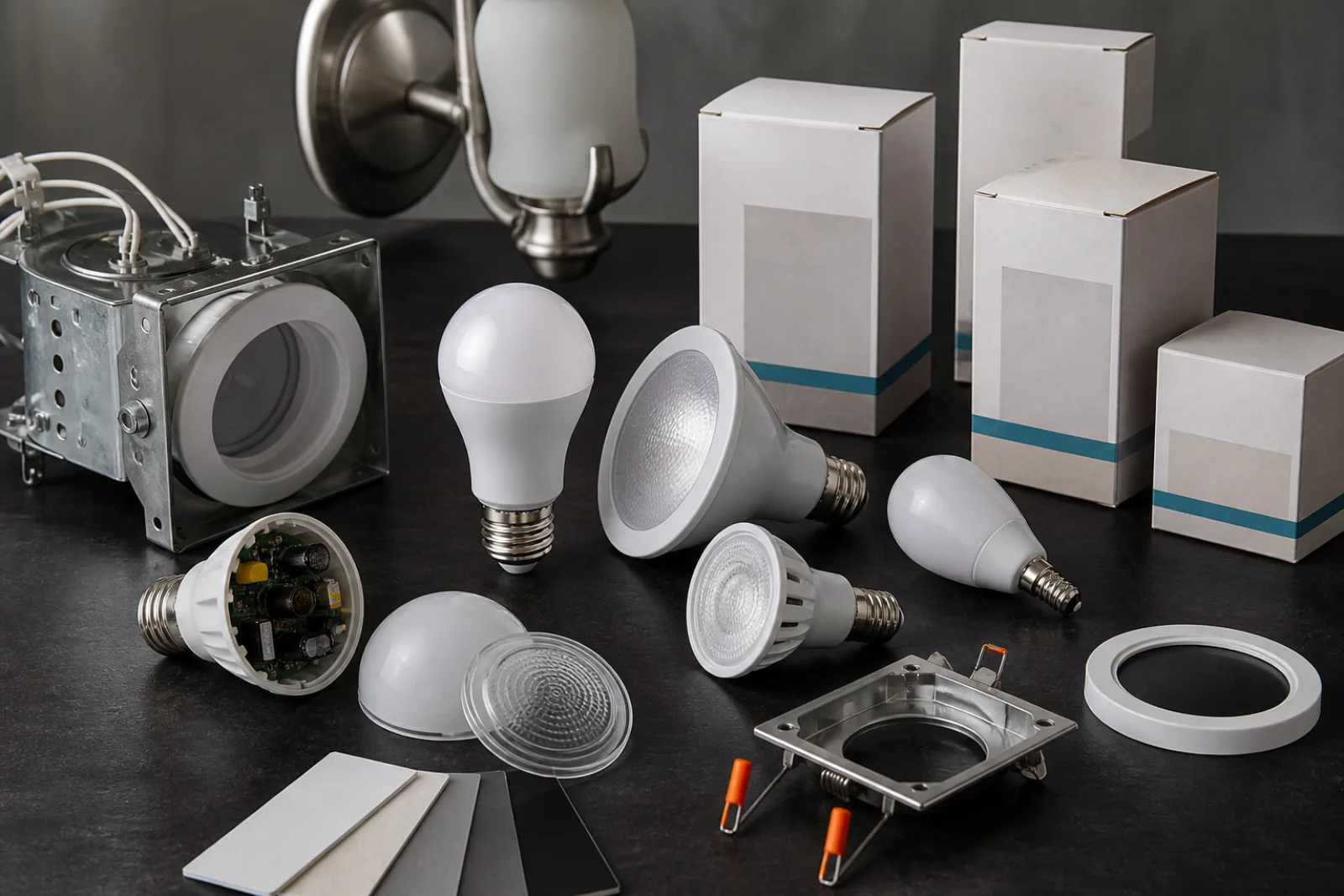
Shop lumens and Kelvin on the Lighting Facts label, then check CRI, dimmer wording, and enclosed-fixture rating. Rated life is a standardized estimate, not a promise in a sealed globe.
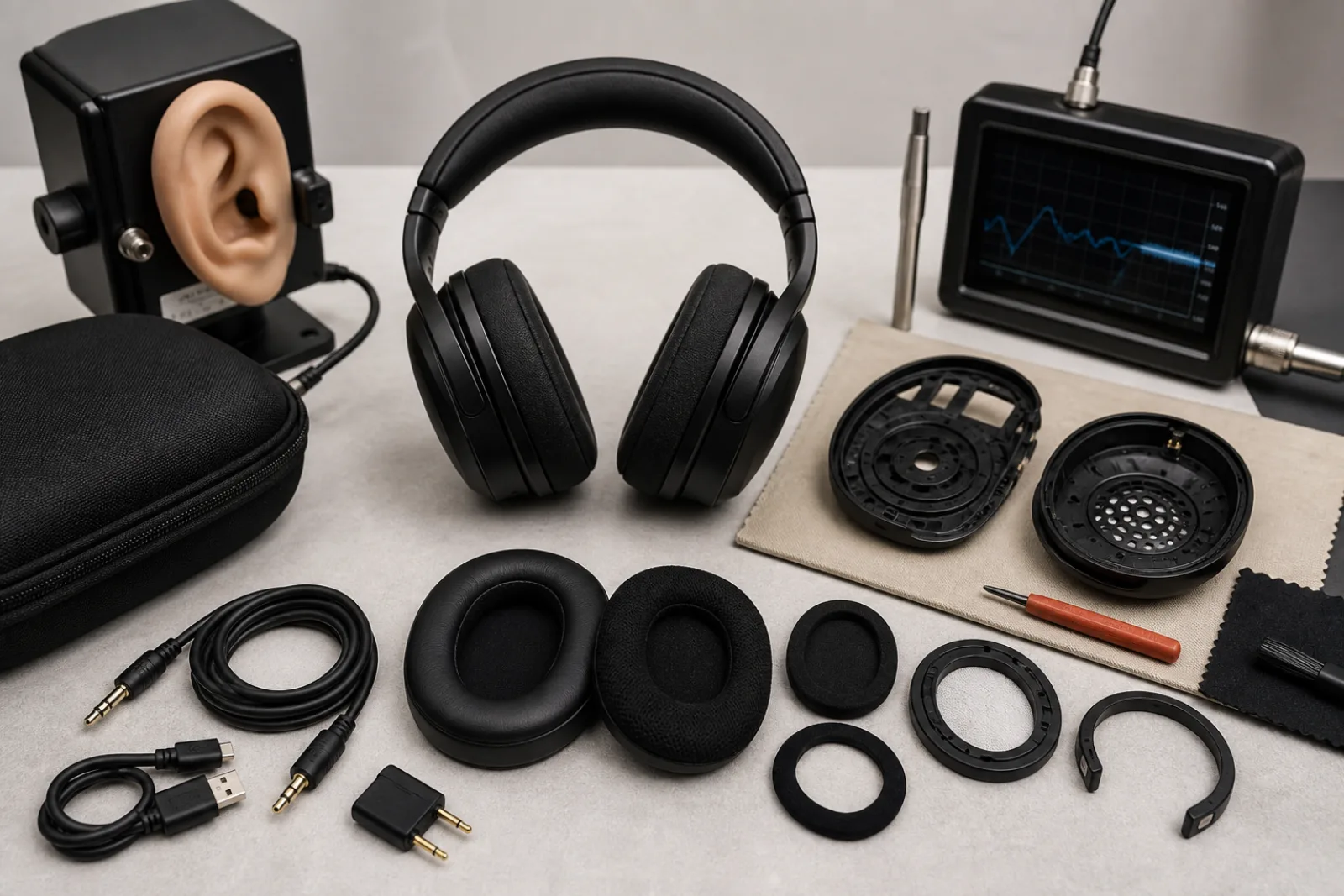
ANC cancels steady low-frequency noise better than speech. Treat SBC, AAC, LC3, and LDAC as interoperability, not rankings. Buy for seal, replaceable pads, and how you switch devices.
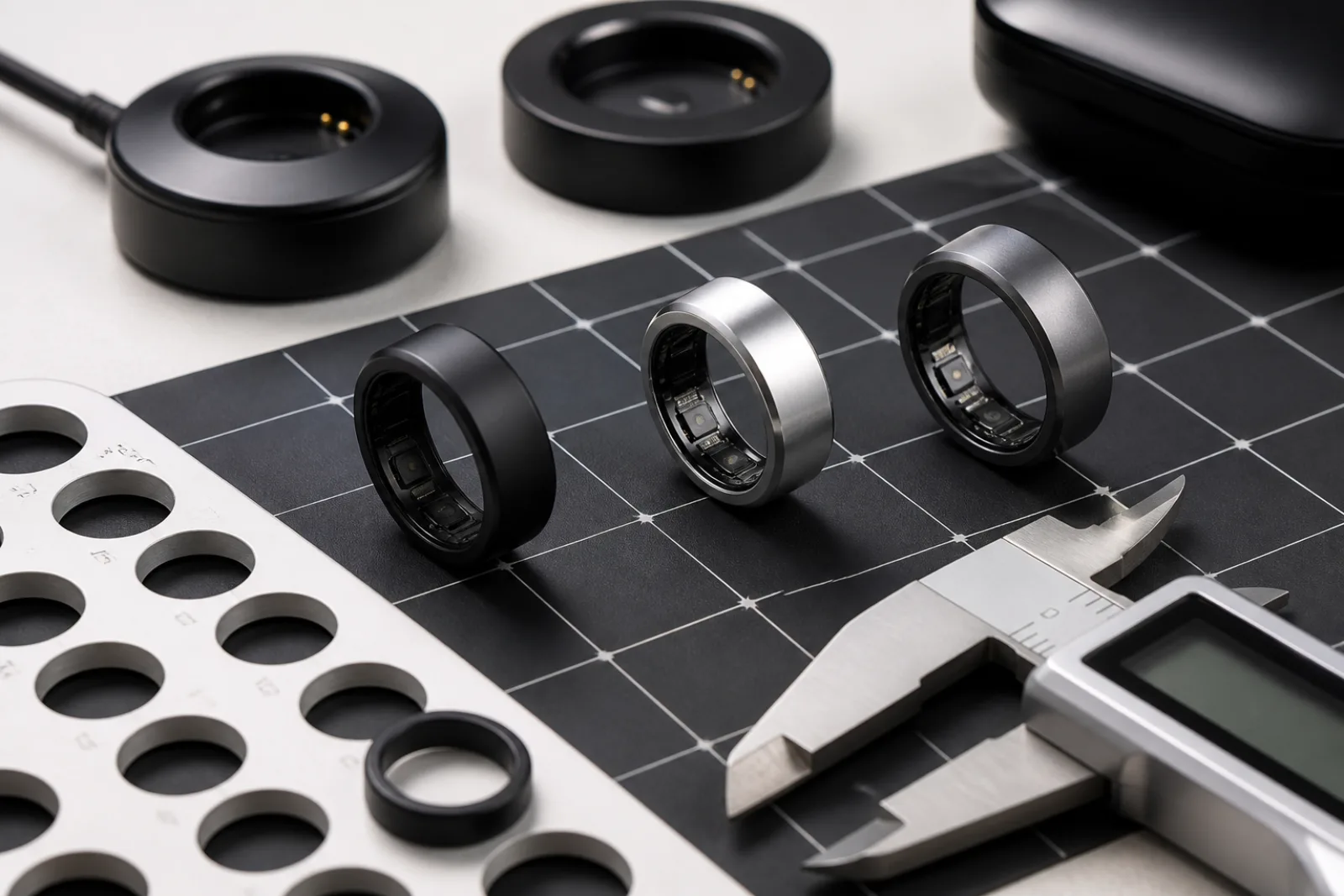
Compare smart rings on sizing, published battery ranges, phone ecosystem, and whether the app is rented. Oura membership is $5.99 a month or $69.99 a year in the US. RingConn, Ultrahuman Ring AIR, and Galaxy Ring are sold without that fee.
A desk lamp's watt rating is an energy number, not a brightness number. Here is what lumens, Kelvin, CRI, and flicker specs actually tell a buyer before purchase.
8 MIN
The weekly letter
CULTURE COLUMN in your inbox.
One useful story, a short edit of objects and ideas, and no manufactured urgency.